World Asthma Day: Understanding the realities of living with the condition
By Katemarthason Okudo, May 5, 2026Every year, World Asthma Day serves as a reminder of a condition that affects millions quietly, often misunderstood and sometimes underestimated. For many people, asthma is not just occasional breathlessness; it is a daily reality that requires constant awareness and care.
Asthma is a chronic condition that affects the airways in the lungs, making it harder to breathe. According to the World Health Organization, asthma causes the air passages to become inflamed and narrowed, leading to recurring episodes of wheezing, shortness of breath, chest tightness, and coughing. “Asthma is a major noncommunicable disease affecting both children and adults,” the World Health Organization said.
Unlike infectious diseases, asthma is not spread from person to person. There is often confusion around this, especially when symptoms like coughing are involved. Experts explain that asthma develops due to a combination of genetic and environmental factors, including allergens, air pollution, respiratory infections, and even weather changes.
The Centers for Disease Control and Prevention explains that triggers vary from person to person. For some, it could be dust or pollen. For others, it may be smoke, strong smells, or cold air. “Exposure to different irritants and substances can trigger symptoms of asthma,” CDC stated.
Recognising the symptoms early can make a significant difference. Common signs include persistent coughing, especially at night, wheezing sounds when breathing, and a feeling of tightness in the chest. In some cases, people may experience severe attacks that require urgent medical attention.
Asthma treatment has improved over the years, allowing many people to live normal, active lives. The most common approach involves the use of inhalers, which help to open up the airways and reduce inflammation. Preventive medication is also prescribed for those with frequent symptoms.
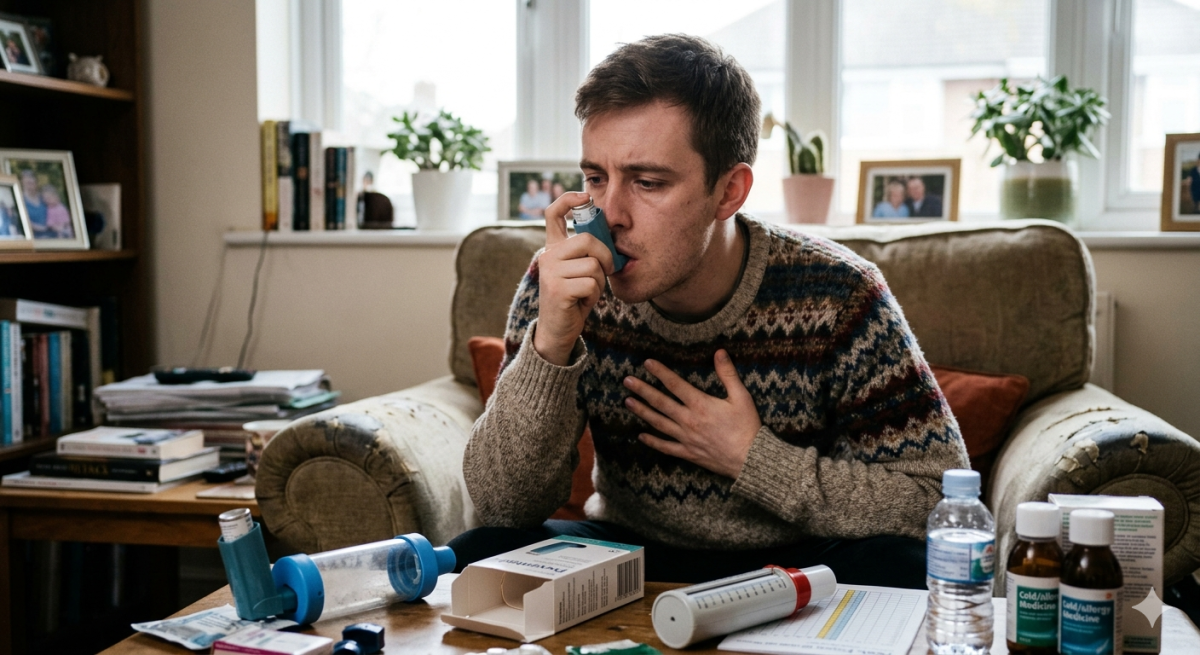
According to the Global Initiative for Asthma, proper use of inhalers is key to effective management. “With the right treatment and correct inhaler technique, asthma can be controlled,” the organization noted.
Beyond medication, prevention plays a crucial role. Reducing exposure to triggers is often the first step. This may involve keeping living spaces clean, avoiding cigarette smoke, and wearing protective gear in polluted environments. For people living in urban areas, where air quality can fluctuate, staying informed about pollution levels can help in managing daily activities.
Infection prevention and control are equally important, especially because respiratory infections can worsen asthma symptoms. Simple habits like regular handwashing, avoiding close contact with people who have colds or flu, and staying up to date with vaccinations can help reduce risks.
Health experts also encourage routine check-ups. Asthma can change over time, and what worked before may need adjustment. Monitoring symptoms and following a treatment plan helps prevent severe attacks and improves quality of life.
World Asthma Day is not just about awareness; it is about understanding. For those living with the condition, every breath matters. And for everyone else, it is a chance to learn, support, and recognise that asthma, while common, requires attention, care, and the right information to manage effectively.