Why your house still smells damp even after cleaning
By Katemarthason Okudo, May 8, 2026A clean home is expected to feel fresh, but sometimes a stubborn, damp smell remains even after thorough cleaning.
It is a situation many households experience, especially during wet seasons or in poorly ventilated spaces. The smell often does not come from visible dirt, but from hidden moisture that continues to linger inside the house.
One of the most common causes is trapped moisture in hidden areas. Even when floors and surfaces appear dry, water can remain inside walls, carpets, mattresses, and wooden furniture.
According to the World Health Organisation (WHO), indoor dampness is often linked to poor ventilation, which allows moisture to accumulate and encourages the growth of mould. This mould is usually what produces the musty smell that refuses to go away.
Leaks are another major contributor. Small plumbing leaks or roof seepage may go unnoticed for a long time, but they slowly soak into building materials. Over time, this creates damp patches that are difficult to dry completely. The Kituto Africa noted that undetected water leakage is one of the leading causes of indoor damp conditions in many households, especially in areas with seasonal rainfall.
Cleaning habits can also play a role. Using excessive water when mopping or washing indoor surfaces may leave behind moisture that takes too long to dry. In rooms with limited sunlight or airflow, this water does not evaporate quickly, allowing damp smells to develop. Even carpets and rugs that are not dried properly after washing can hold moisture deep within their fibres, making the smell persistent.
Air circulation is another important factor. When rooms are tightly closed for long periods or furniture is pushed directly against walls, airflow becomes restricted. This prevents moisture from escaping and creates hidden damp spots behind furniture and in corners. Over time, these areas become ideal environments for mildew and bacterial growth, which contribute to unpleasant odours.
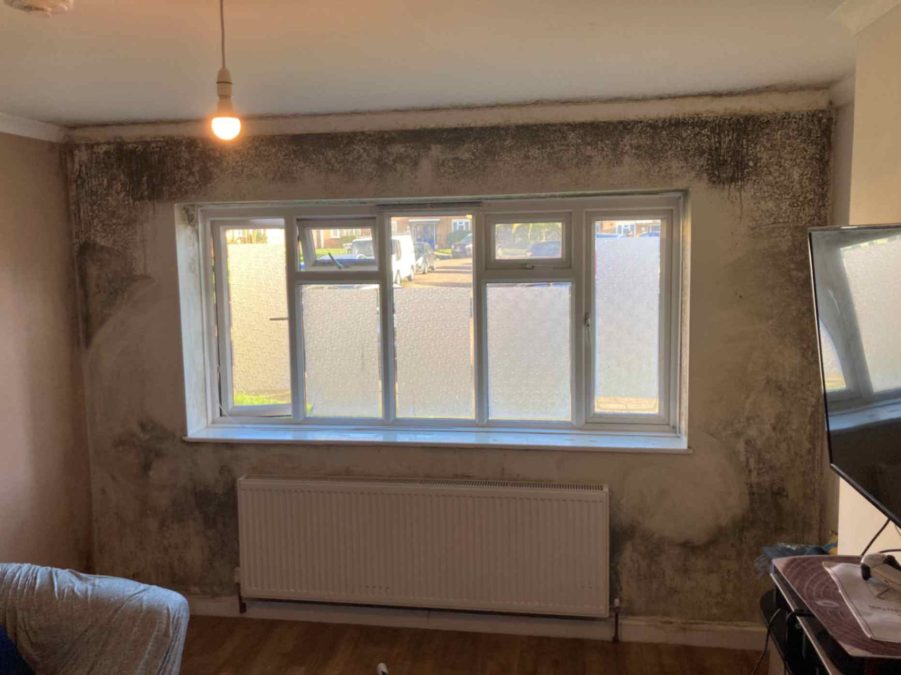
Everyday household items can also worsen the situation. Wet clothes left indoors to dry, damp towels, or unemptied bins can all release moisture into the air. If not managed properly, they add to the overall humidity inside the house. Pub Med Central highlighted that indoor humidity control is essential in preventing long-term dampness and maintaining healthy living conditions.
Environmental conditions also matter. Homes located in high-humidity regions or areas with frequent rainfall often struggle with moisture buildup indoors. Without proper ventilation systems or the use of natural airflow, the dampness tends to settle into the structure of the house.
Health experts warn that prolonged exposure to damp environments is not just a comfort issue but a health concern. The World Health Organisation (WHO) links indoor dampness and mould exposure to respiratory problems, allergies, and general discomfort, especially among children and individuals with existing health conditions.
How to manage the problem
To manage the problem effectively, it is important to go beyond surface cleaning. Improving ventilation by opening windows, repairing leaks early, drying wet items properly, and allowing sunlight into rooms can significantly reduce dampness. In more persistent cases, moisture absorbers or professional inspection may be necessary.
Ultimately, a lingering damp smell is usually a sign of hidden moisture that needs attention. Once the root cause is addressed, the home can return to a fresher, healthier, and more comfortable environment.