Advertisement
Why women carry more emotional weight than men in relationships
25th March, 2026 11:37 AM

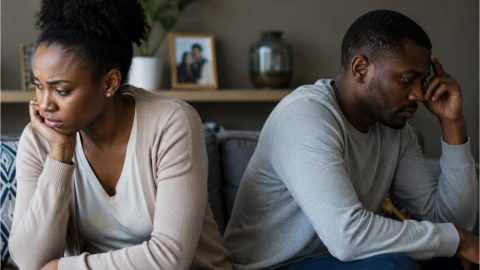
The idea that women carry more emotional weight in relationships is supported by research showing that many women take on more emotional labour and manage relationship dynamics more actively than men.
The research says, “Fewer than 6% of men claimed to undertake more emotional labour than their spouses. In contrast, more than half of the women reported carrying most of the emotional load.”
This does not mean women are naturally more emotional, but that social roles often place more emotional responsibility on them. These patterns are shaped by culture, upbringing, and expectations in relationships.
Emotional labour and mental load
One major reason is emotional labour, which refers to the effort of managing feelings and maintaining harmony in a relationship. Women are often expected to listen, comfort, and support their partners while also managing their own emotions. This can create an uneven balance where women carry more of the emotional work.
In many cases, women also carry what is called a mental load. This means they are constantly thinking about relationship needs, plans, and emotional well-being.
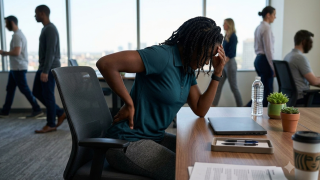
They may remember important dates, check in on their partner’s feelings, and try to keep the relationship stable. Over time, this constant responsibility can lead to stress and emotional exhaustion.
Social conditioning and emotional expectations
Another reason is how women are raised and taught to behave. From a young age, many women are encouraged to be caring, nurturing, and emotionally available. This shapes how they respond in relationships, often making them the emotional anchor for their partners. These expectations can be hard to break, even when they become overwhelming.
Men, on the other hand, are often raised to be less expressive with emotions. Because of this, many men depend on their partners for emotional support. This can place more pressure on women, as they become the main source of emotional connection in the relationship.
Women also tend to build wider emotional support systems with friends and family. However, in romantic relationships, they are often the ones who maintain emotional balance, handle conflict, and keep communication going. This creates an uneven emotional responsibility that can feel one-sided.
At the same time, these patterns are not fixed. They come from learned behaviours and can change when both partners share emotional responsibilities. Healthy relationships require both men and women to communicate, support each other, and share emotional effort equally.
In the end, the issue is not that women are more emotional, but that they are often expected to carry more emotional weight. When this balance is not addressed, it can lead to stress and dissatisfaction in relationships.