Why Muslims bury the dead as soon as possible after death
By Cynthia Lodite, September 7, 2026In many Muslim communities, the death of a loved one is followed by burial as soon as possible, sometimes within the same day. Unlike funeral practices where a body may be kept for several days before burial, Islam places importance on completing the burial without unnecessary delay.
Death in Islam is a doorway to Akherat, the eternal afterlife, and the graves of Muslim cemeteries, where they are buried and the soul is held till Yawm al-qiyāmah, the Day of Resurrection.
But why is burial done so quickly?
The practice is rooted in Islamic teachings and the belief that the deceased should be treated with dignity and respect after death.
Burial is an important Islamic tradition
Islam encourages Muslims to prepare the deceased for burial promptly. Once death is confirmed, arrangements are made for the body to be washed, wrapped in a simple shroud known as ‘kafan’, and taken for the Janazah, or funeral prayer.
The body is then buried, traditionally with the deceased placed on their right side facing the Kaaba in Makkah.
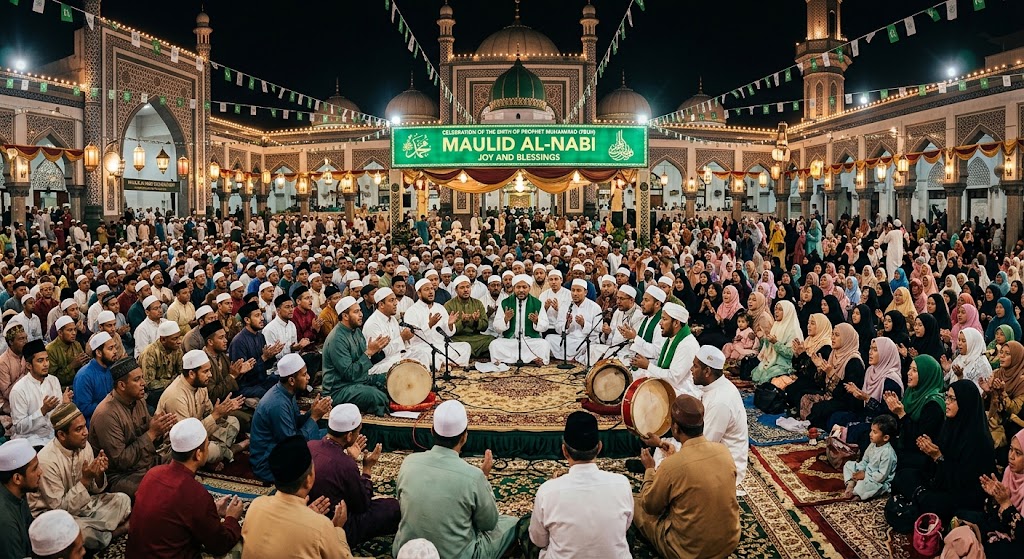
The emphasis on a quick burial is also connected to a well-known teaching of Prophet Muhammad, which encourages believers to hasten the funeral when a person dies.
For Muslim families, this is not simply about speed. It is part of showing respect to the person who has died and fulfilling religious responsibilities.
Why there is little delay
Muslim funeral traditions generally avoid unnecessary practices that could delay burial. The focus is on returning the body to the earth, praying for the deceased and supporting the grieving family.
There can also be practical reasons for avoiding a prolonged wait, particularly in places where refrigeration or suitable facilities for keeping bodies are limited.
However, “quickly” does not mean that Muslims bury someone without making the necessary arrangements. The family and community still need to confirm the death, prepare the body, perform the washing and shrouding, conduct the funeral prayer and arrange the burial.
The timing can also be affected by circumstances such as legal requirements, an unexpected death requiring investigation, transportation difficulties or the need to identify the deceased.
For Muslims, therefore, the quick burial is largely an expression of faith. It reflects the belief that death should be met with dignity, prayer and acceptance while avoiding unnecessary delays or elaborate funeral practices.