Advertisement
Why Labour Day is celebrated in Kenya
01st May, 2026 06:36 AM
Labour Day is one of those public holidays that many Kenyans look forward to. For some, it is a chance to rest, travel, or watch football with friends.
But behind the day off lies a deep history that connects Kenya to a global struggle for workers’ rights.
In Kenya, Labour Day is marked every year on May 1 and is set aside to honour workers and their contribution to the country’s growth and economy.
Global story behind Labour Day
Labour Day did not start in Kenya. Its roots go back to the late 1800s in the United States, where workers protested against long working hours and poor conditions.
At that time, it was common for people to work more than 10 hours a day. Workers began demanding an eight-hour workday, which led to major protests, including the famous Haymarket events in Chicago in 1886.
These protests became a turning point. Eventually, May 1 was recognised globally as a day to honour workers and their struggle for fair conditions.
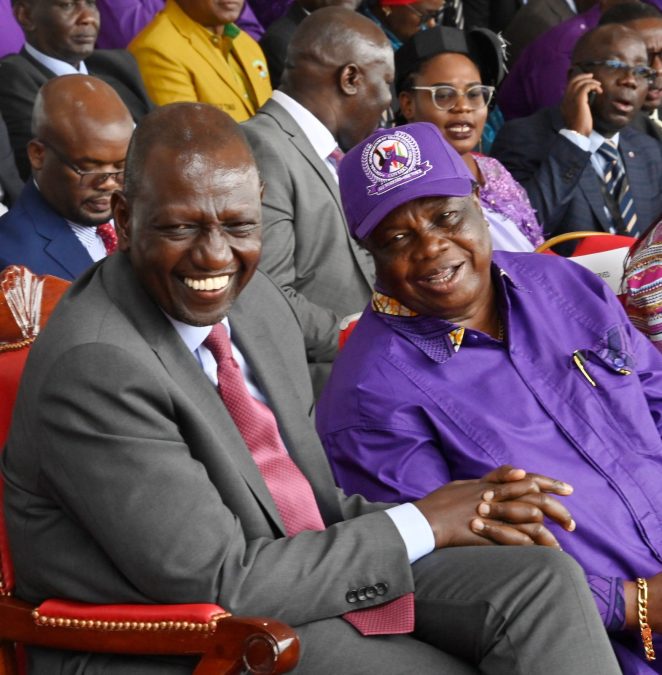
For instance, lately, the Central Organisation for Trade Unions SG Francis Atwoli advocated for a 23% payrise on all Kenyan workers as a gift.
That is why Labour Day is also known worldwide as International Workers’ Day.
How Labour Day became important in Kenya
Kenya adopted Labour Day as part of its national calendar to recognise the role of workers in building the country.
Over time, the day has grown into more than just a celebration. It has become a platform where:
- Workers are recognised
- Labour unions speak out
- The government addresses key issues affecting employees
In many cases, important announcements are made on this day, including wage increases and policy changes.
Trade unions, especially the Central Organisation of Trade Unions, have played a major role in shaping Labour Day celebrations in Kenya.
What happens on Labour Day in Kenya
Labour Day is not just about resting at home. Across the country, it is marked with national events where leaders address workers and highlight progress or challenges.
Traditionally, thousands of workers gather in places like stadiums or public grounds to celebrate together. There are speeches, entertainment and discussions about working conditions.
At the same time, many Kenyans use the holiday for personal time. Families travel, relax, or simply take a break from the daily routine.
What you probably didn’t know
One interesting fact is that Labour Day has influenced real change over the years. In Kenya, announcements on minimum wage adjustments have often been made on this day, directly affecting workers’ incomes.
Another little-known detail is that Labour Day is not only about formal employment.
It also recognises informal workers such as farmers, boda boda riders, artisans and small business owners who play a big role in the economy.
Globally, the day continues to be used as a moment for workers to demand better conditions, showing that the struggle that began over a century ago is still ongoing.
Why does the day still matter today?
Even in modern times, Labour Day remains relevant. Issues such as fair pay, job security, safe working conditions and work-life balance are still being discussed.
The day serves as a reminder that workers’ rights were not given freely. They were fought for, and they continue to be protected through awareness and unity.
Labour Day is more than just a public holiday. It is a day that carries history, meaning and purpose.
So as Kenyans enjoy the break, travel or spend time with friends, it is also worth remembering the journey behind it.
Every hour worked today is shaped by the efforts of those who stood up for better conditions many years ago.