Why eating rice could boost men’s health but challenge women’s
By William Muthama, March 14, 2026White rice, a staple in diets across the world, may affect men and women differently, according to a study into diet and chronic disease.
While often seen as a neutral or even harmless part of daily meals, emerging evidence suggests that gender plays a key role in how the body responds to regular rice consumption.
Men may experience some protective benefits, whereas women may face higher risks of chronic conditions when eating high amounts of white rice.
According to a study published by the National Centre for Biotechnology Information (NCBI), high intake of white rice was linked to a modest reduction in mortality risk among men.
Conversely, in women, consuming large quantities of rice was associated with a greater risk of chronic illnesses such as type 2 diabetes, obesity, and cardiovascular disease.
The review combined data from multiple cohorts, tracking thousands of participants over several years, and emphasised that gender-specific metabolic and hormonal differences may explain these outcomes.
Why are women more affected?
Experts point to several reasons why women are more affected by high rice consumption. Women may experience higher post-meal blood sugar spikes compared to men, and natural differences in body fat distribution can influence insulin sensitivity.
Hormonal fluctuations, such as those during menstrual cycles, pregnancy, or menopause, also affect how carbohydrates are metabolised.
Additionally, in some diets, women may pair rice with fewer protein or fibre-rich foods, which slows glucose clearance and increases the likelihood of blood sugar imbalances over time.
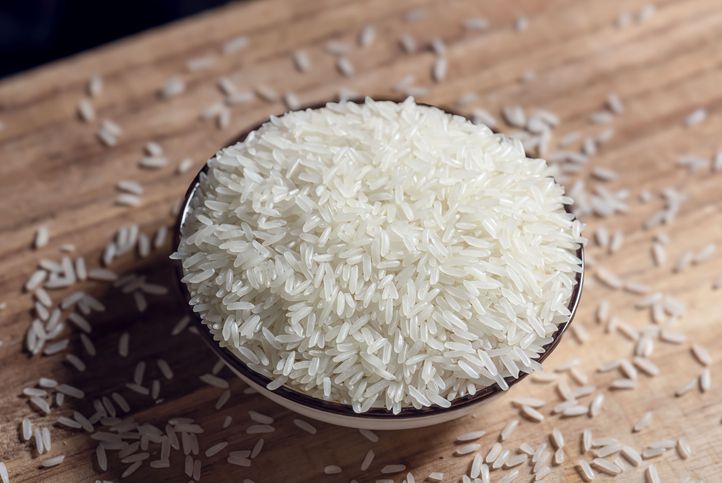
These factors collectively make women more susceptible to the long-term effects of high-carb diets dominated by white rice.
While rice is an important source of energy and carbohydrates, overconsumption without complementing it with vegetables, legumes, healthy fats, and protein can heighten chronic disease risks.
Experts recommend pairing rice with high-fibre foods, lean proteins, and a variety of vegetables to slow glucose absorption and improve overall nutritional balance.
For men, rice can continue to be part of a healthy, varied diet, especially when combined with other nutrient-rich foods.
For women, moderating portions and pairing rice with fibre and protein sources may help reduce potential health risks.
Cultural habits, lifestyle choices, and meal composition also play a significant role in how rice affects health.