Why driving fast increases fuel consumption
By David Nthua, May 15, 2026Many drivers assume that reaching a destination faster saves both time and fuel.
However, driving at high speeds is one of the biggest reasons cars consume more fuel than necessary.
Whether you drive a small hatchback, SUV or luxury vehicle, speeding forces the engine to work harder, leading to increased fuel usage.
Air resistance increases at high speeds
One of the main reasons fast driving consumes more fuel is air resistance, also known as aerodynamic drag. When a car moves, it pushes against air.
At lower speeds, this resistance is manageable. But as speed increases, the resistance rises sharply.
For example, a car moving at 80 km/h faces far less drag than one travelling at 140 km/h. The engine must therefore burn more fuel to generate extra power needed to overcome the stronger air pressure.
This explains why many vehicles are most fuel efficient at moderate highway speeds rather than extreme speeds.
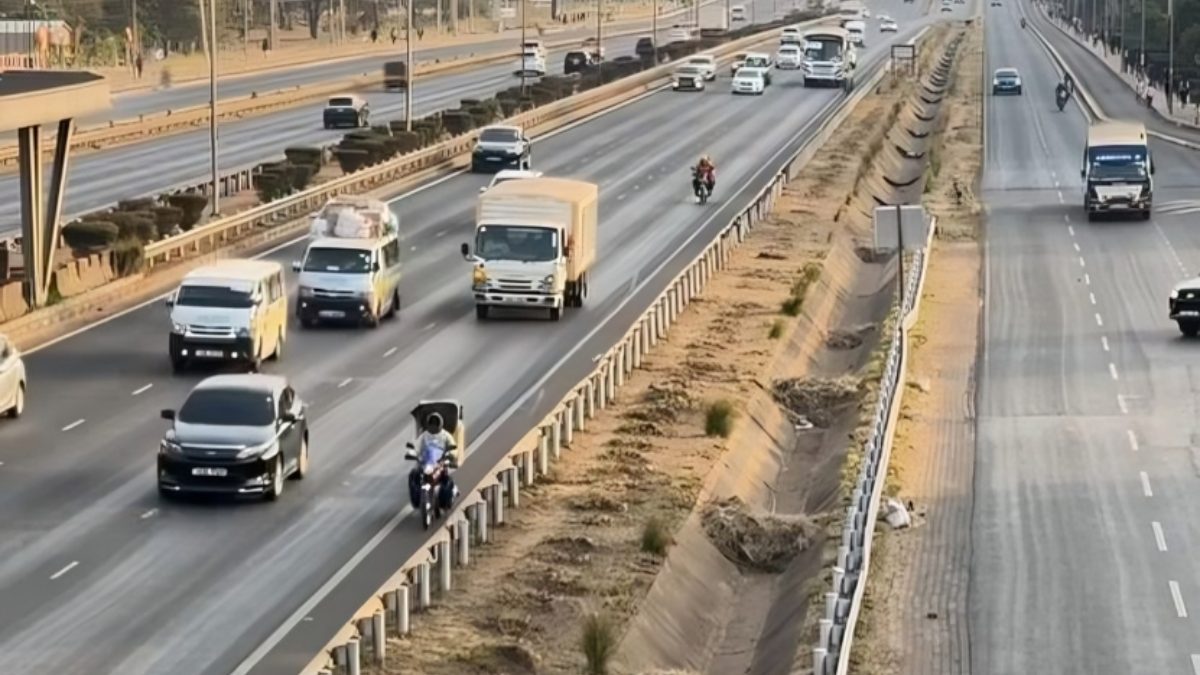
The engine works harder
Driving fast forces the engine to operate at higher revolutions per minute, commonly known as RPM. Higher RPM means the engine burns more fuel in a shorter period.
Most modern cars are designed to balance power and fuel economy. However, aggressive acceleration and constant high-speed driving disrupt that balance. The harder the engine works, the more petrol or diesel it consumes.
Cars with smaller engines may struggle even more at very high speeds because they need extra effort to maintain momentum.
Sudden acceleration wastes fuel
Speeding is often accompanied by rapid acceleration, harsh braking and sudden overtaking.
These driving habits significantly increase fuel consumption.
When drivers accelerate aggressively, the fuel injectors release more fuel into the engine to provide immediate power.
Frequent speeding and slowing down therefore wastes energy that could have been conserved through smooth driving.
Experts often recommend gradual acceleration and maintaining a steady speed to improve fuel economy.
Tyres and mechanical parts face more strain
High-speed driving also increases friction on tyres and other moving components. The engine, transmission and tyres generate more heat while operating under stress.
This extra strain can reduce overall vehicle efficiency. Underinflated tyres worsen the problem because they create more rolling resistance, forcing the engine to use additional fuel.
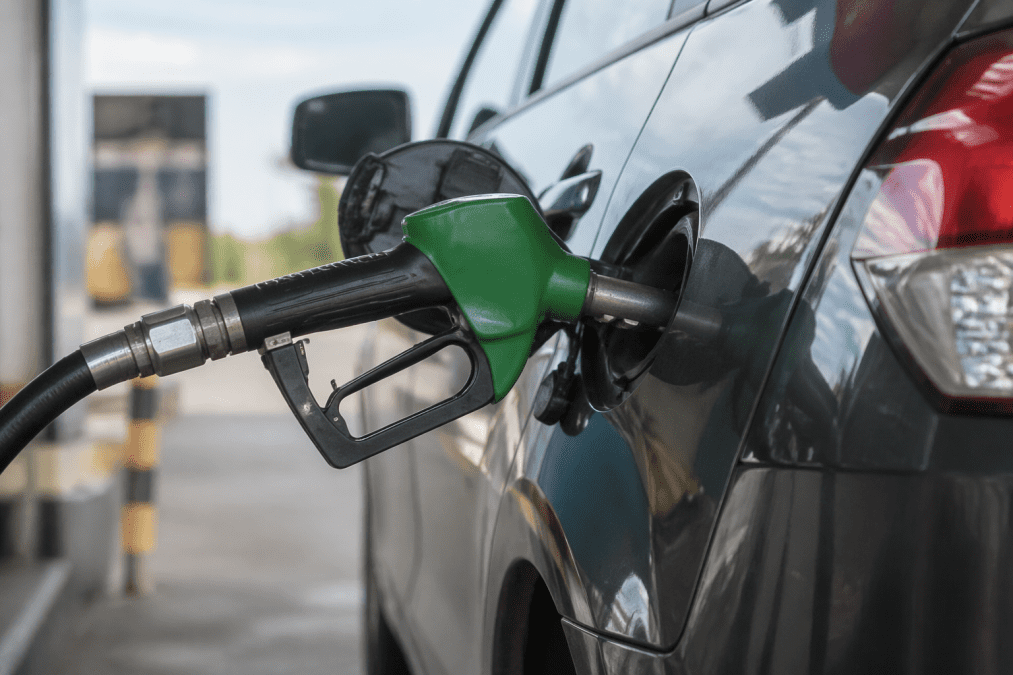
Maintaining correct tyre pressure and servicing the car regularly can help reduce unnecessary fuel consumption.
Fuel efficiency drops after certain speeds
Many vehicles achieve their best fuel economy between 60 km/h and 90 km/h. Beyond that range, fuel efficiency begins to decline rapidly.
According to automotive experts, even increasing speed from 100 km/h to 120 km/h can noticeably raise fuel consumption.
While the exact impact depends on the car model, engine size and road conditions, the pattern remains the same across most vehicles.
Drivers may arrive earlier by speeding, but they often spend more money on fuel in the long run.
Weather and road conditions matter
Driving fast during strong winds, uphill climbs or poor road conditions worsens fuel consumption further. The engine requires additional power to maintain speed in such environments.
Heavy traffic can also increase fuel wastage because drivers repeatedly accelerate and brake instead of maintaining a constant speed.
Using cruise control on open highways can help maintain stable fuel consumption in suitable conditions.
The bottom line
Driving fast increases fuel consumption because the engine must fight greater air resistance, operate harder and respond to aggressive acceleration.
High speeds may save a few minutes on the road, but they often lead to more fuel expenses, increased wear on vehicle parts and reduced efficiency.
For drivers looking to save fuel, experts recommend maintaining moderate speeds, accelerating smoothly and keeping vehicles properly maintained.