WhatsApp behaviours people secretly dislike
By David Nthua, April 24, 2026WhatsApp makes communication fast, easy and convenient. It helps people stay close, share updates and handle everyday conversations in seconds.
Yet some habits inside chats quietly frustrate others, even when nobody says it directly.
Many people avoid confrontation in messaging spaces. Instead of complaining, they simply mute chats, reply less or lose interest in talking.
Sometimes the issue is not the relationship itself, but small behaviours repeated too often.
Emoji-only replies
Emojis can be warm, playful and useful. A thumbs up, laughing face or heart can sometimes say enough.
The problem comes when every message receives only emojis, especially when the sender expected a real response.
If someone sends an important explanation, asks a serious question or shares something emotional, an emoji alone may feel dismissive.
It can seem like the message was not fully read or valued.
Balance matters. Emojis work best as support to words, not as a replacement for every conversation.
Status blocking
Another behaviour many people quietly dislike is being blocked from seeing status updates while still being kept in normal chats.
It can create confusion, especially when others mention updates you cannot view.
People have every right to manage privacy and choose who sees their content.
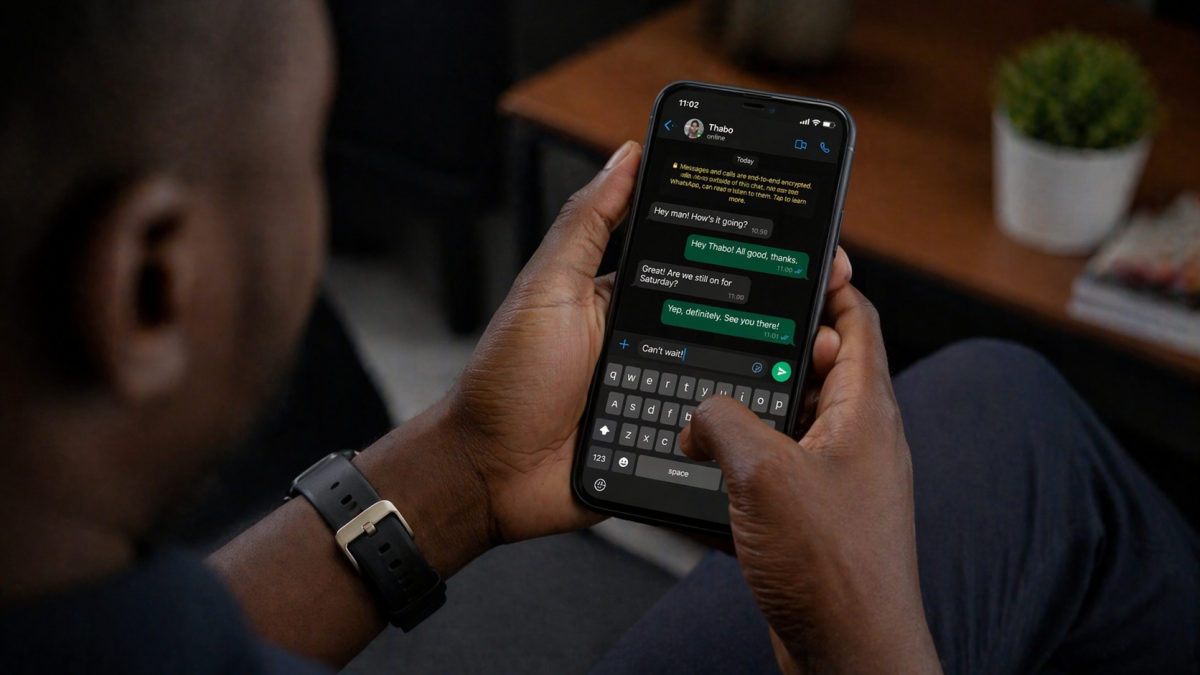
However, selective blocking can sometimes send an unintended message of exclusion or hidden tension.
In some cases, it is not personal at all. In others, it changes how the relationship feels.
Slow courtesy fades
There are also habits like reading messages and never replying, disappearing after starting conversations or messaging only when favours are needed.
None may seem serious alone, but repeated often, they shape how people feel.
Digital manners matter because messaging has become part of real-life relationships.
Small actions inside apps can build warmth or quietly create distance.
The healthiest WhatsApp habit is simple: be clear, respectful and intentional.
Most people do not expect perfection. They just want to feel heard and treated well.