What is Mukombero and why do people chew it?
By David Nthua, May 10, 2026Mukombero is a traditional African root that has been used for generations in parts of Kenya, Uganda, and other East African communities.
Known scientifically as Mondia whitei, the climbing plant grows naturally in moist forests such as the Kakamega rainforest in Western Kenya.
The root is easily recognized by its brown outer surface, pale interior, and strong aroma that many people compare to vanilla, ginger, and licorice.
For many people in Western Kenya, chewing Mukombero is part of everyday herbal culture.
The roots are commonly sold in markets, roadside stalls, and bus stations where users slowly chew the fibrous bark while swallowing its juice.
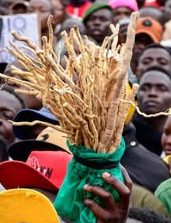
What is Mukombero?
Mukombero is a medicinal climbing plant native to East Africa.
The root is the most commonly used part because it contains natural compounds believed to support digestion, reduce fatigue, improve appetite, and promote general wellness.
The plant grows mostly in humid forested areas and has remained popular through oral traditions passed down across generations.
Why do people chew Mukombero?
Many people chew Mukombero because of its refreshing taste and warming effect in the mouth and throat.
Others use it as a natural herbal stimulant during long journeys, demanding work, or stressful days.
Traditional users also believe Mukombero helps:
- Improve appetite
- Support digestion
- Reduce stress and fatigue
- Freshen breath naturally
- Promote overall body wellness
Unlike ordinary chewing sticks, Mukombero releases a strong herbal flavor slowly as it is chewed.
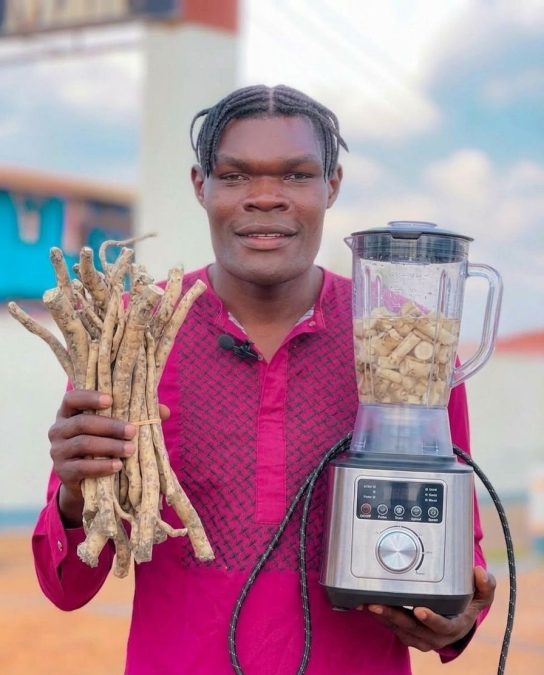
Mukombero benefits that many people know
Mukombero contains natural plant compounds such as antioxidants, flavonoids, tannins, and minerals including magnesium, calcium, zinc, and iron.
Researchers and herbal references suggest these compounds may contribute to:
- Better digestion
- Antioxidant protection
- Reduced inflammation
- Improved energy levels
- General nutritional support
Some people also boil Mukombero in tea or grind it into powder for easier consumption.
Where Mukombero grows in Kenya
Mukombero grows mainly in Western Kenya, especially around forested and fertile regions such as Kakamega.
The herb is also found in parts of Uganda and Tanzania.
Because of increasing demand, some farmers have started cultivating Mukombero commercially instead of relying only on wild harvesting.
How Mukombero is traditionally used
Traditionally, Mukombero is chewed slowly to release its juice while the remaining fibers are spat out afterward.
In some homes, the roots are:
- Boiled in herbal tea
- Dried and ground into powder
- Mixed into porridge
- Used alongside other traditional herbs
The herb has remained part of cultural wellness practices for decades.
Mukombero taste and smell explained
First-time users often notice Mukombero’s strong earthy smell immediately after cutting the root.
Its taste combines sweetness, bitterness, and spicy warmth.
Some compare the flavor to a mix of ginger, vanilla, and traditional herbal roots.
The stronger the aroma, the fresher the root is believed to be.
Mukombero precautions people should know
Although Mukombero is widely used traditionally, experts advise moderation.
Excessive chewing may sometimes cause stomach discomfort or digestive irritation.
Pregnant women, breastfeeding mothers, and people with medical conditions are encouraged to seek medical advice before regular use of herbal products.
Users are also advised to buy Mukombero from trusted sellers to avoid contaminated or poorly stored roots