What caused Nepal’s deadly floods? The glacier collapse behind the disaster
By Trizer Lijondo, August 28, 2026A devastating flash flood that struck Nepal’s Himalayan region on Wednesday, August 26, 2026, has raised questions about what triggered the disaster, after hundreds of people were killed and many others remained missing.
The floods affected areas along the Nepal-China border, with powerful torrents of water, mud, rocks and ice sweeping through communities and destroying roads, bridges and other infrastructure.
Initial reports raised the possibility that an earthquake had triggered the disaster. However, subsequent analysis by the United States Geological Survey (USGS) indicated that the seismic activity was generated by the collapse itself rather than by an earthquake.
Glacier collapse trigger
According to Reuters, satellite images showed that the lower section of a glacier at an altitude of about 5,200 metres broke away and crashed roughly 1,200 metres down onto the valley floor.
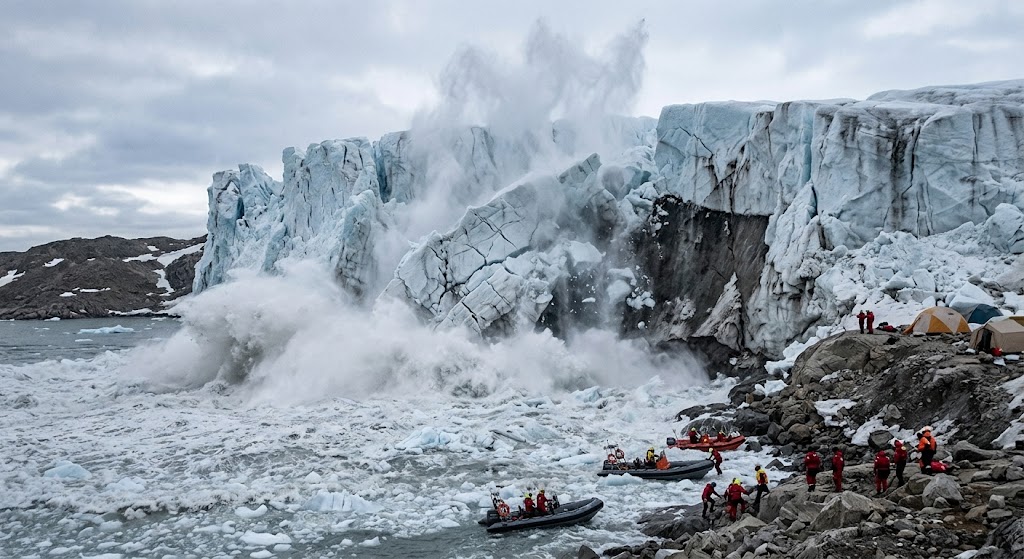
The collapse occurred near Langtang Lirung and sent a huge mass of ice and rock down the mountain. Reuters reported that experts examining satellite imagery believed the collapse was the event that set off the chain of destruction.
The USGS analysis also found that the seismic signal initially associated with an earthquake was consistent with the collapse of glacial rock and ice followed by a debris flow.
Avalanche turned flash flood
The falling ice and rock formed a massive avalanche that rushed into the Lhende Khola river. According to Reuters, the avalanche sent mud and debris downstream at high speed, triggering the devastating flooding.
AP reported that satellite imagery showed boulders, ice and mud surging through narrow valleys and drastically changing parts of the river system. Communities and infrastructure along the affected areas were overwhelmed by the force of the water and debris.
The disaster also affected the Trishuli River system, with the flooding leaving large quantities of sediment across the landscape.
Scientists examine climate change link
Scientists are also examining whether rising temperatures could have contributed to the instability that preceded the collapse.
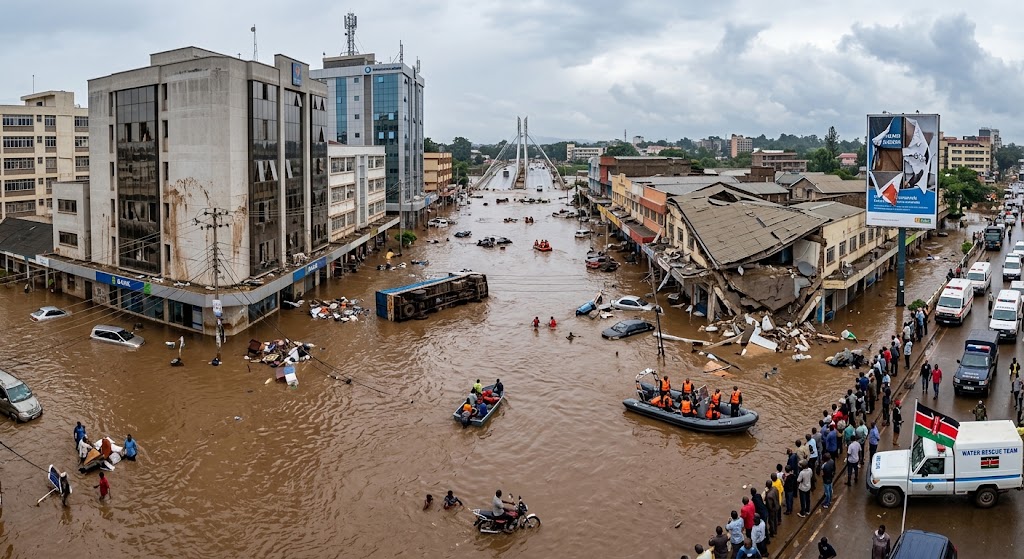
AP reported that experts believe warming temperatures can destabilise glaciers, mountain slopes and permafrost, increasing the risk of avalanches, landslides and floods in the Himalayas.
However, scientists have cautioned that climate change has not been established as the direct cause of this particular glacier collapse.
The disaster has nevertheless renewed concerns about the vulnerability of Himalayan communities as the region experiences rapid environmental changes and increasingly difficult-to-predict mountain hazards.