Advertisement
Types of motorists number plates in Kenya and meaning
15th April, 2026 04:01 PM
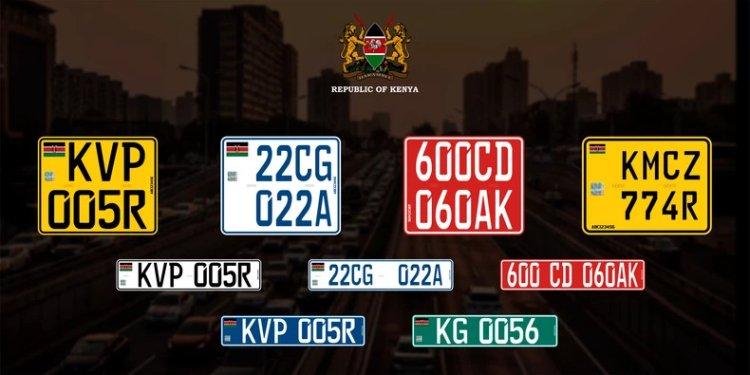
Most drivers know their registration number, but not many understand what the different number plates in Kenya actually mean.
Yet one glance at a plate can tell you whether the vehicle belongs to a private citizen, government office, diplomat, county government, dealer or even an electric vehicle.
In Kenya, number plates are more than identification tags. They help police, insurers, NTSA officers and the public know the category of a vehicle quickly.
They also come with security features meant to reduce fraud and fake registrations.
Ordinary private plates
These are the most common plates seen daily. They usually appear in formats such as KDA 123A or similar series issued sequentially.
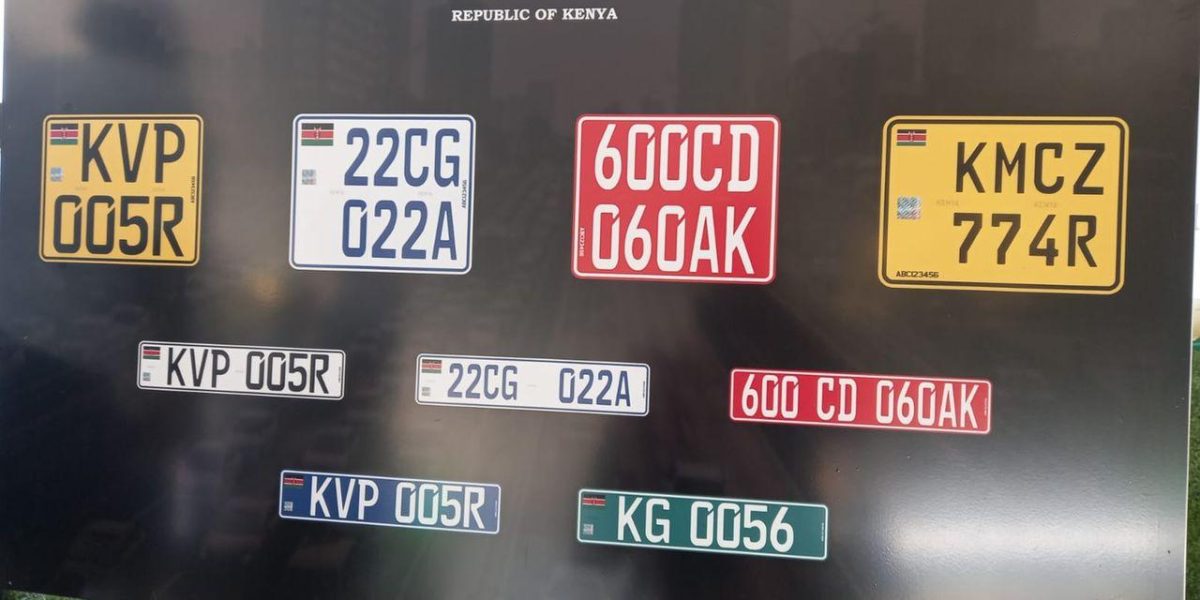
For most private vehicles, the front plate is white with black letters, while the rear plate is yellow with black letters under the newer reflective system.
This is the standard civilian registration most motorists use.
GK plates
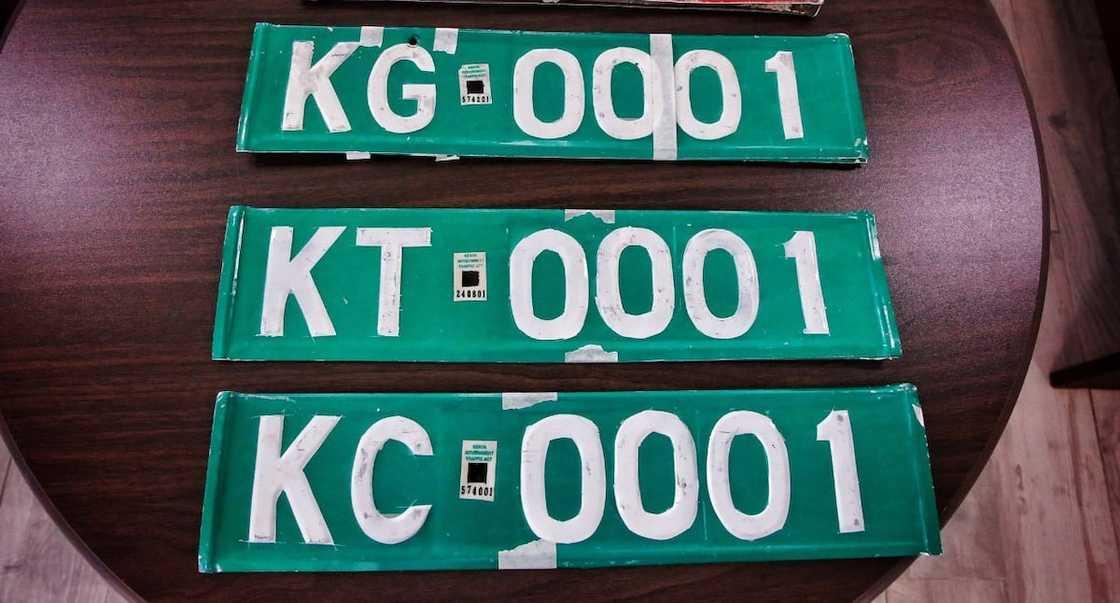
GK means Government of Kenya. These vehicles belong to national government ministries, departments or agencies.
They are used for official state work and are not ordinary private vehicles. If you see GK on a plate, it indicates state ownership or official allocation.
EX-GK plates
EX means ex, or formerly. So EX-GK shows the vehicle was once owned by the Government of Kenya but has since been disposed of, auctioned or transferred out of government use.
In simple terms, it was a government vehicle before, but it is no longer part of the active government fleet. Many Kenyans notice these plates in the used car market.
CG plates
CG stands for County Government. These vehicles belong to devolved county administrations.
For example, Nairobi County vehicles may carry county-coded CG plates.
Diplomatic plates
Diplomatic vehicles use red plates with white letters and numbers. Many carry a CD, which stands for Corps Diplomatique, or UN for United Nations agencies.
These plates identify embassies, diplomats and recognised international organisations.
Green background with white text
These special green plates with white characters were introduced to identify electric vehicles and electric motorcycles in Kenya.
The idea is to help distinguish cleaner transport options and support the country’s green mobility plans. If you see white text on green, it may be an EV or electric motorcycle under the newer system.
Blue plates
Some state corporations and parastatals have historically used blue plates with white lettering.
These help distinguish public institutions from regular private ownership.
Dealer and trade plates
Vehicle dealers, assemblers and fabricators may use special categories such as KD, KG or related trade identifiers depending on use.
These plates are linked to motor trade operations rather than normal private ownership.
Personalised number plates
These are custom plates where an owner chooses a name, brand or unique style instead of the normal sequence.
Examples are plates carrying personal names or company names. In Kenya, reports citing NTSA guidance place the application cost at around Ksh1 million.
Some reports also indicate an annual retention or maintenance fee may apply, often cited at KSh50,000 yearly.
Because fees can change, motorists should confirm current charges directly through NTSA or eCitizen before applying.
How to spot fake number plates
NTSA’s newer digital and reflective plates include security features designed to make counterfeiting harder. Genuine plates may include features such as:
Holograms
Watermarks
Serial identifiers
Security fonts
Embedded traceability linked to vehicle records
Kenyan flag markings on newer plates
A suspicious plate may have poor spacing, wrong font, poor reflective quality, missing security marks, peeling characters or records that do not match the vehicle. If in doubt, verify through NTSA systems or law enforcement.