Rironi–Mau Summit travel safety tips as major roadworks continue
By Ascah Mwango, July 31, 2026As construction work ramps up along one of East Africa’s most vital economic arteries, motorists traveling between Nairobi and Western Kenya are being urged to exercise heightened caution along the Rironi–Nakuru–Mau Summit highway corridor.
Construction of the massive expansion officially began on November 28, 2025, when President William Ruto broke ground for the project at Kamandura.
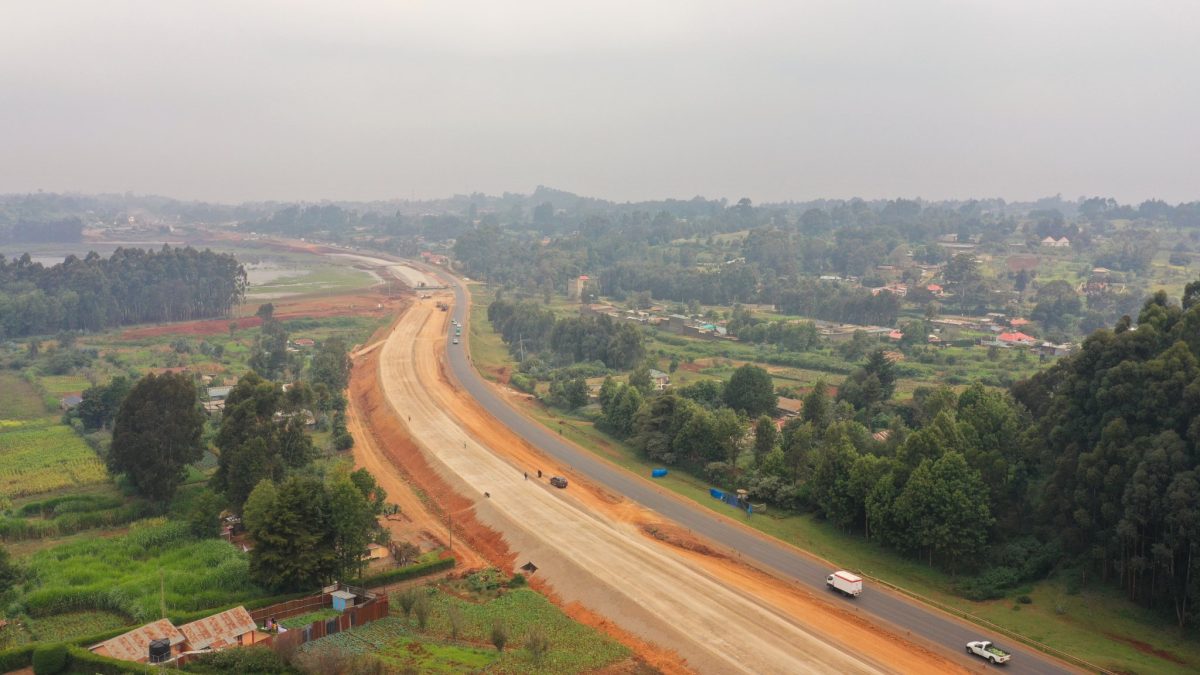
The Ksh170–Ksh184 billion infrastructure initiative aims to transform the notoriously congested 175-kilometre bottleneck along the Northern Corridor into a modern four-lane dual carriageway, with high-traffic stretches like the Naivasha–Gilgil segment expanding up to six lanes.
While contractors China Road and Bridge Corporation (CRBC) and Shandong High Speed operate on a dual-front construction strategy, working simultaneously from different ends of the route, overall project progress reached approximately 25 per cent completion as of July 2026.
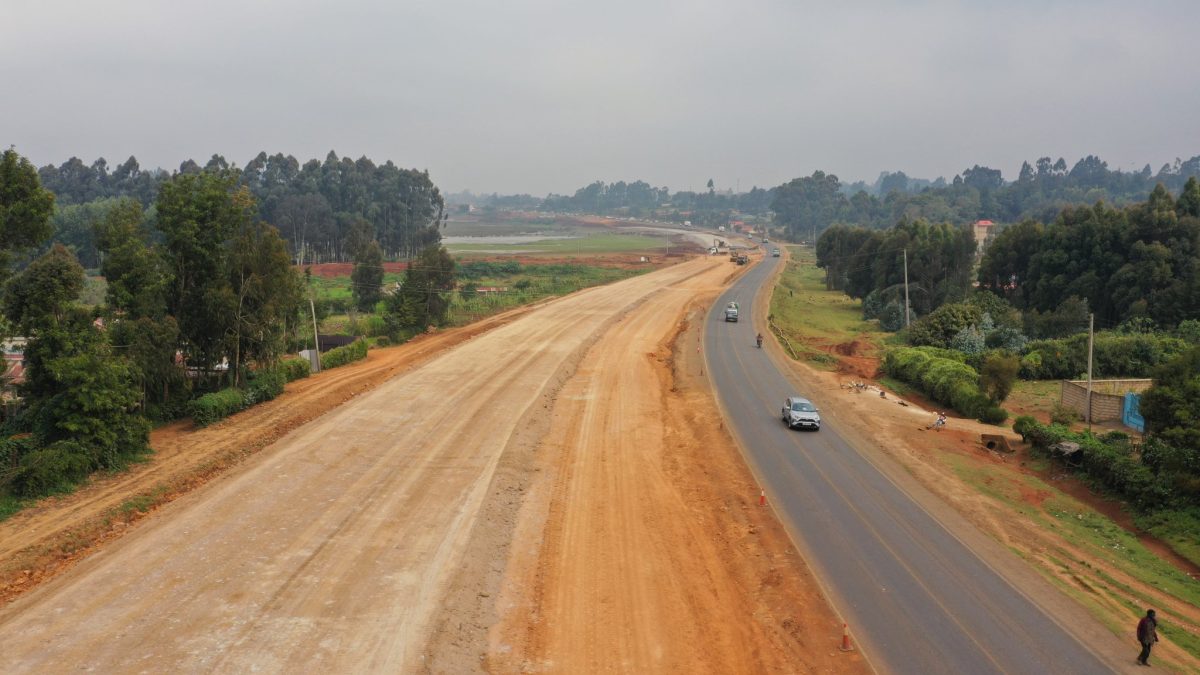
According to updates from the Kenya National Highways Authority (KeNHA), the initial Rironi–Naivasha section is on an accelerated timeline, with expectations to open to motorists by August 2026.
While ambitious targets previously aimed for an April 2027 handover, the Ministry of Roads and Transport and KeNHA maintain a baseline full-completion target of June 2027.
With heavy earthmoving equipment, temporary diversions, and narrow lanes defining the current driving landscape, here are essential travel safety tips for navigating the active construction zone:
Follow temporary signage
Contractors have established multiple detours along the Rironi and Naivasha stretches.
Watch for high-visibility warning signs, directional arrows, and traffic marshals guiding vehicles through single-lane bypasses.
Beware of sudden bottlenecks
Dual-carriageway sections frequently narrow without extensive warning as construction crews move barriers.
Maintain a safe following distance to react to sudden braking ahead.
Strictly adhere to reduced speed limits
Speed limits through active work zones along the corridor have been reduced.
Excessive speed remains the primary hazard when navigating gravel detours and uneven asphalt transitions.
Exercise caution during night driving
Dust clouds combined with limited street lighting make nighttime travel along the Escarpment and Central Rift sections particularly hazardous.
Ensure headlights and fog lights are operational, and avoid overtaking on unlit diversions.
Plan for extended transit times
Heavy freight trucks servicing the region, combined with peak-hour commuter travel, frequently slow traffic through active construction fronts.
Travellers heading toward Nakuru, Kisumu, or Eldoret should plan for significant delays during weekend and holiday surges.
Monitor KeNHA travel advisories
Check real-time traffic updates issued by KeNHA and local highway patrol units prior to departure to identify temporary road closures or scheduled blasting operations along rocky terrain segments.