Advertisement
The silent damage of short replies in close relationships
21st April, 2026 11:45 AM
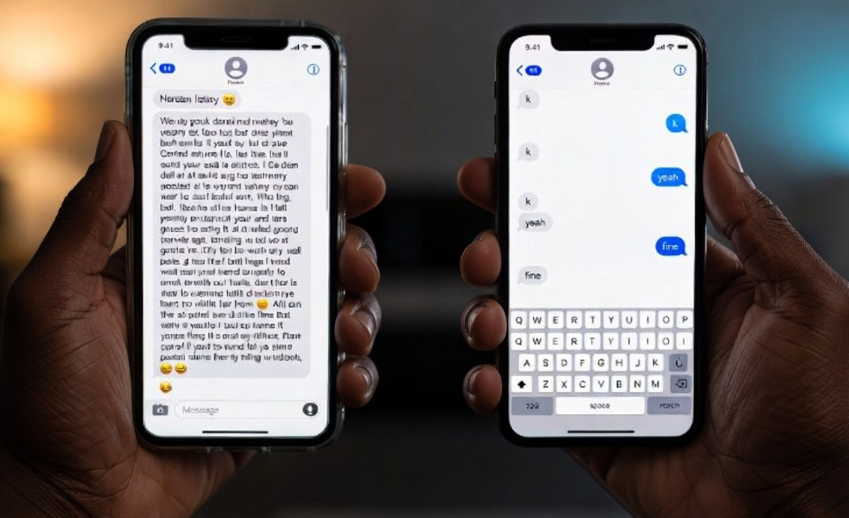
It usually starts small. A “k.” A delayed “okay.” A reply that feels like it was sent just to end the conversation. No argument, no clear problem, just a shift in tone that’s hard to explain but easy to feel.
Short replies are not new. People get busy. Not every message needs a paragraph. But when they become a pattern in close relationships, they begin to carry weight far beyond the few words on the screen.
In close relationships, communication is not just about information. It’s about reassurance, presence, and effort. A simple “got it” from a colleague is fine. From someone you care about, it can feel distant.
Over time, repeated short replies start to raise quiet questions. Are they losing interest? Are they upset? Did something change? The lack of clarity creates space for assumptions, and that’s where the real damage begins.
Reading between lines
When messages get shorter, people don’t just read the words; they read into them. A one-word reply can feel cold even if it wasn’t meant that way. The problem is not always intentional. Its interpretation.
In digital communication, tone is fragile. Without voice, facial expression, or context, even neutral responses can come across as dismissive. What was meant to be quick can feel careless.
The real impact of short replies is not in a single conversation, but in the pattern they create. When one person consistently puts in more effort than the other, an imbalance sets in.

One starts typing more, explaining more, trying to keep the connection alive. The other replies less, says less, and engages less. Slowly, conversations shrink. Then the connection follows.
What makes it worse is that it rarely gets addressed directly. Instead of asking, people adjust quietly. They match the energy. They stop sharing as much. They pull back.
Not always what it seems
It’s important to be fair. Short replies are not always a sign of disinterest. People get overwhelmed. Work, stress, and mental fatigue can reduce how much someone communicates.
But in close relationships, consistency matters more than excuses. Even in busy moments, people make time for what they value. Effort doesn’t have to be long; it just has to feel intentional.
The solution is not forcing long conversations. It’s restoring clarity and presence. A simple shift from “k” to “I’ll get back to you properly” can change everything.
Author
William Muthama
William Muthama is a digital journalist with a focus on entertainment, human interest, and current affairs. Share stories: [email protected]/ [email protected]
View all posts by William Muthama