Advertisement
The rise of ‘aesthetic eating’: When food is made for social media first
16th April, 2026 03:14 PM

Food has always been cultural, emotional, and social. But in recent years, it has also become increasingly visual.
In the age of Instagram, TikTok, and short-form video platforms, a new trend has emerged: aesthetic eating, where food is designed not just to be eaten, but to be seen.
Restaurants, cafes, and even home cooks are now considering how a dish will look on camera before it ever reaches a plate.
Bright colours, layered textures, artistic plating, and dramatic presentations are no longer reserved for fine dining; they are becoming standard across casual food spaces as well.
This shift is driven by the economics of attention. In a crowded digital environment, visually striking food is more likely to be shared, liked, and recommended.
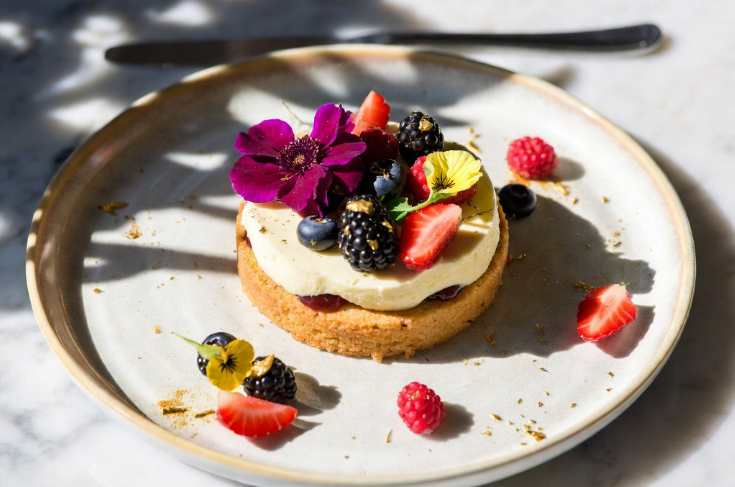
A single viral post can bring thousands of customers to a restaurant. As a result, food presentation has become part of marketing strategy, not just culinary tradition.
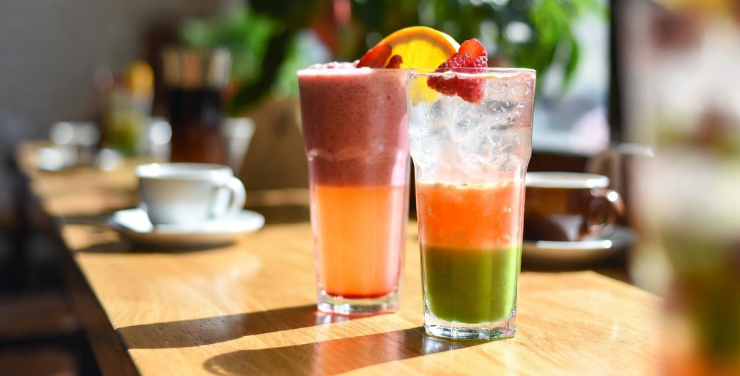
Cafes now design interiors and menus with photography in mind. Drinks are served in transparent cups to highlight layers and colours. Desserts are topped with edible flowers, gold dust, or exaggerated toppings that enhance visual appeal.
Even street food vendors in some cities are adapting, adding neon signage, colourful packaging, and presentation styles meant to attract the camera first, the customer second.
When appearance competes with taste
However, this transformation raises questions about authenticity.
A dish that looks perfect online may not always deliver the same experience in real life. In some cases, the visual appeal becomes the product itself, while flavour takes a secondary role.
There is also a cultural dimension to this shift. Traditional recipes, which were often shaped by necessity, heritage, and local ingredients, are being reinterpreted for digital appeal.
While this can bring global attention to local cuisines, it can also dilute their original identity.
Yet supporters of aesthetic eating see it differently. For many young chefs and creators, visual storytelling is simply an evolution of food culture.
Ultimately, aesthetic eating reflects a broader cultural shift where experiences are increasingly designed for visibility.
Author
William Muthama
William Muthama is a digital journalist with a focus on entertainment, human interest, and current affairs. Share stories: [email protected]/ [email protected]
View all posts by William Muthama