Advertisement
The growing culture of meal prepping among young professionals
04th May, 2026 10:02 AM
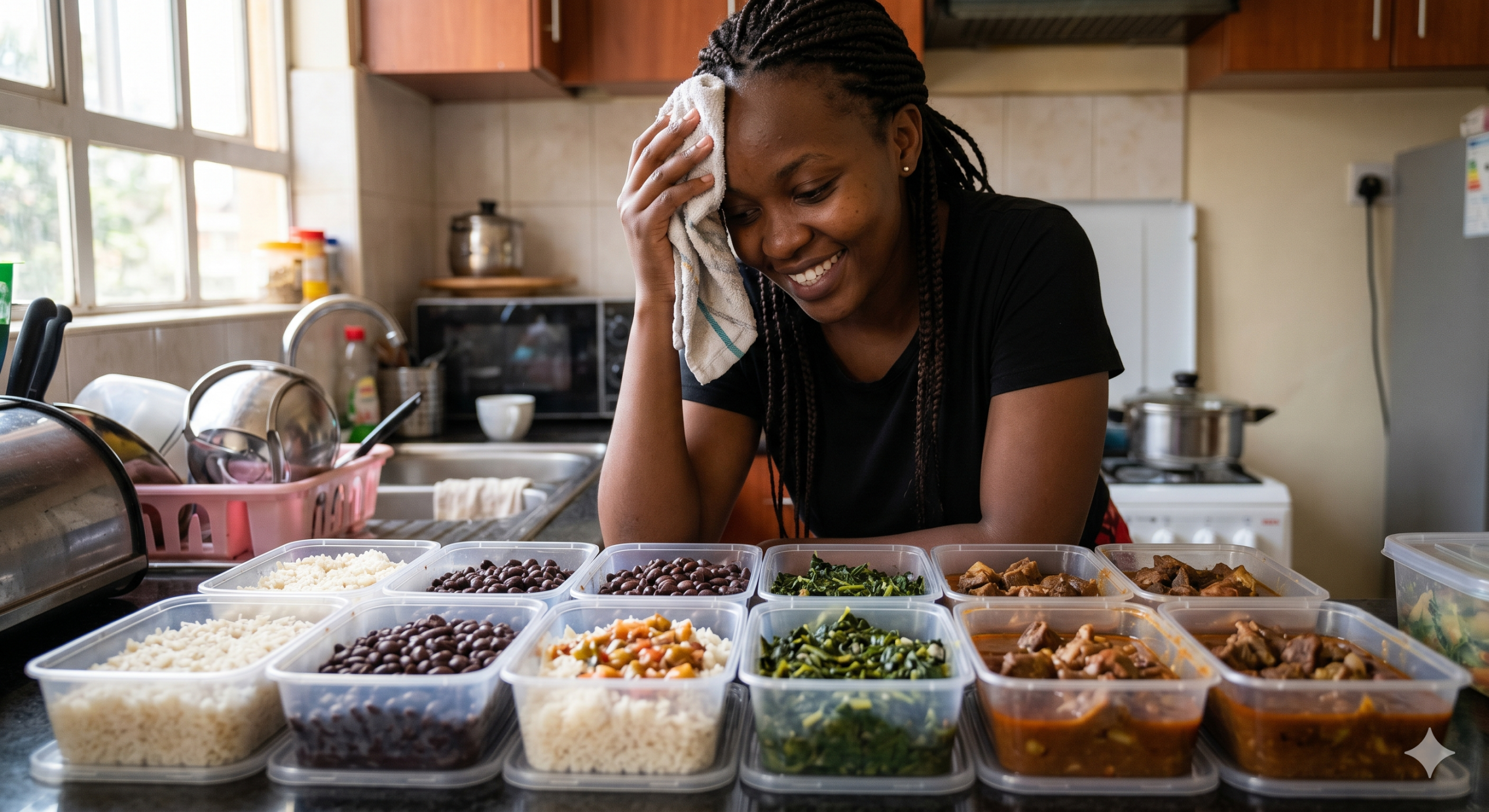
It starts the same way for a lot of young people in Nairobi.
You get home after a long day, open the fridge, stare into it for a full minute, and still have no idea what to cook.
The question “What do I eat today?” hits harder when you are tired, your budget is tight, and the nearest fast food option requires you to leave your house at 11.00 pm.
That is the exact frustration driving a quiet but growing shift in how many young city dwellers are thinking about food. Meal prepping, the practice of planning, cooking, and portioning meals in advance (usually over the weekend), is finding its footing in Nairobi kitchens, and the people doing it say it has made life noticeably easier.
Research from a French nutrition study found that people who planned their meals in advance had better diet quality and a healthier weight, suggesting that the act of thinking ahead about food carries its own benefits, separate from any particular diet.
The idea is simple.
You set aside a few hours, typically on a Saturday or Sunday, to cook in bulk.
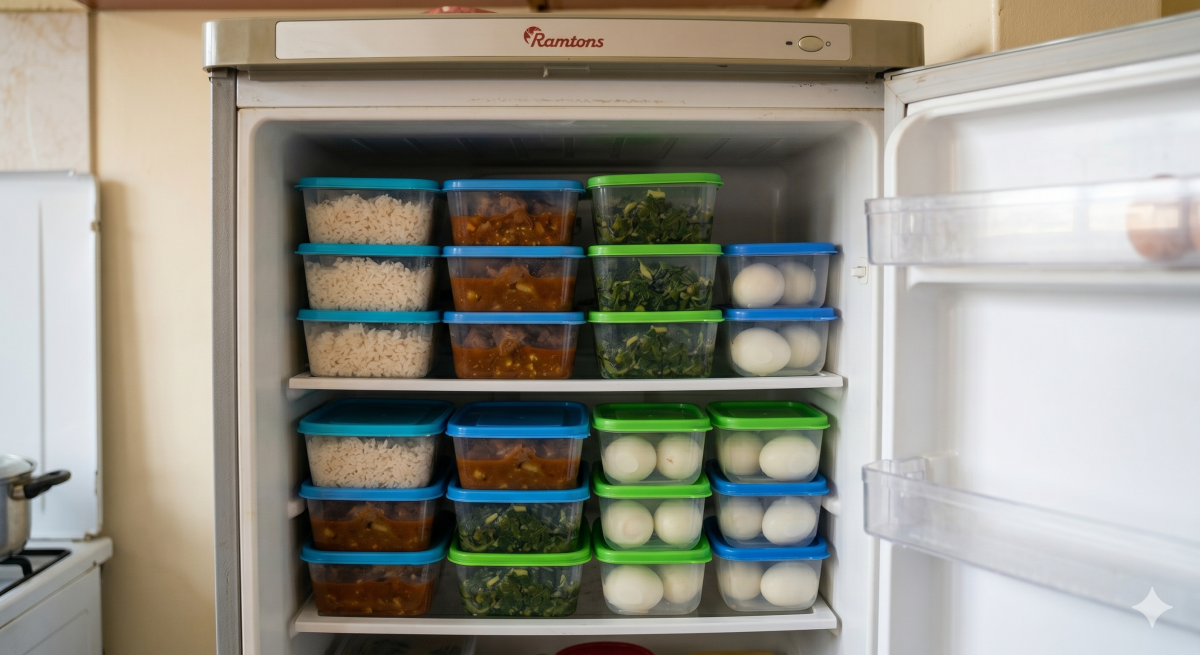
Rice, beans, ugali (maize meal), stew, roasted vegetables, boiled eggs – whatever forms the base of your week. You portion it into containers, refrigerate or freeze it, and spend the rest of the week simply reheating rather than cooking from scratch every single evening.
Why the switch is making sense
For young professionals and students renting on a bachelor’s budget, the appeal is largely financial.
Cooking in bulk means buying ingredients in larger quantities, which almost always works out cheaper per serving than buying small amounts daily.
A kilogram of tomatoes bought once for the week costs less in total than buying a handful every other day from the mama mboga (vegetable vendor) downstairs.
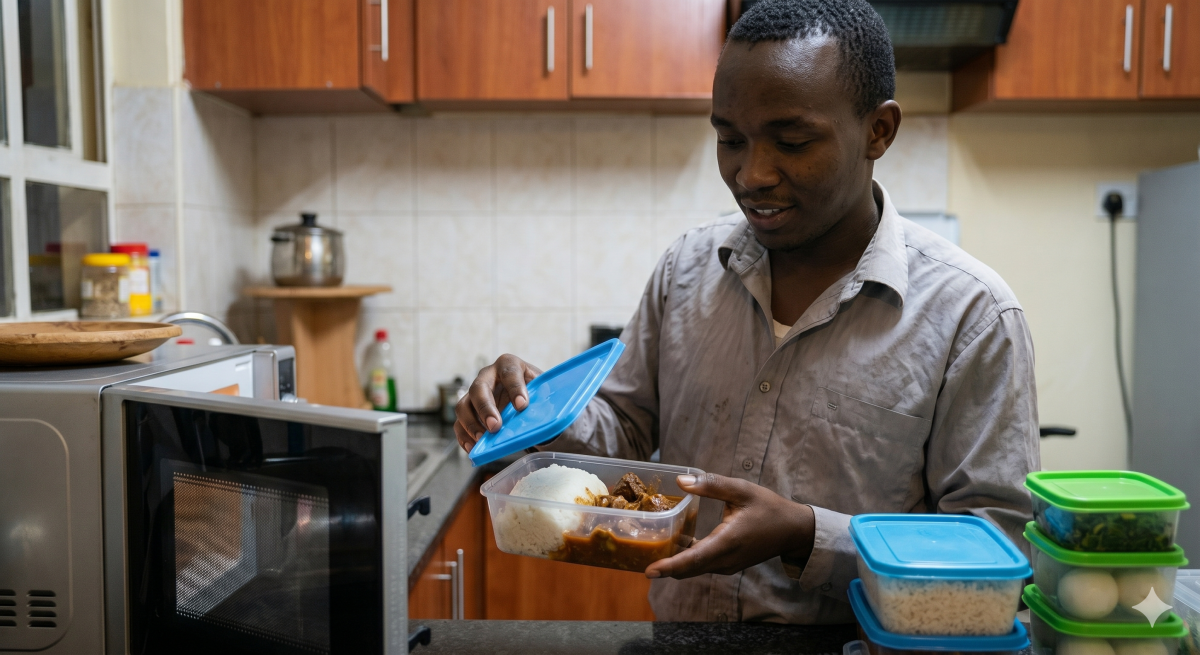
Time is the other big factor. The average weekday evening in Nairobi does not leave much room for a full cooking session. Between commutes, work that follows you home on your phone, and simply needing to rest, spending forty-five minutes in the kitchen every night is a luxury many cannot afford.
Meal prep compresses that time into one manageable block, leaving evenings free.
There is also the mental load that quietly disappears.
Not having to decide what to eat (and then gather and cook it) every single day turns out to be a bigger relief than most people expect until they try it.
Getting started does not require much
The barrier to entry is low, which is part of why it is catching on. You do not need expensive containers or a large, well-equipped kitchen.
Affordable airtight plastic containers from supermarkets work well. A basic rotation of proteins, a starch, and vegetables covers most nutritional needs and keeps things from getting boring too quickly.
Planning before you shop is the part that makes the biggest difference.
Knowing exactly what you intend to cook for the week means you only buy what you need, which cuts down on food waste.
For those just starting out, the advice from people already doing it is consistent: do not try to prep every single meal at once. Start with dinners for three or four days. Get comfortable with the routine before scaling up.
The goal, ultimately, is simply making sure that when you get home on a Wednesday night, exhausted and hungry, the answer to “What to eat today?” is already waiting in the fridge.