Term 3 is only nine weeks: Exam preparation tips for KPSEA, KJSEA and KCSE candidates
By William Muthama, August 22, 2026Term 3 in Kenya’s school calendar is only nine weeks, but it is a crucial period for candidates preparing for the Kenya Primary School Education Assessment (KPSEA), Kenya Junior School Education Assessment (KJSEA) and Kenya Certificate of Secondary Education (KCSE).
With limited time remaining, focused revision, discipline and proper planning can make a significant difference.
Create a realistic revision timetable
Divide the nine weeks into three phases. Use the first three weeks to identify and cover syllabus gaps, weeks four to six for intensive practice with past papers and sample questions, and the final three weeks for timed mocks, weak areas and light revision.
Give each subject enough attention based on your strengths and weaknesses, while leaving room for school activities and unexpected commitments. A realistic timetable is more useful than one that is impossible to maintain.
Focus on active revision
Avoid spending most of your time simply reading notes. Use mind maps, flashcards and short summaries, explain difficult concepts to a classmate and answer questions without looking at your notes.
KPSEA and KJSEA candidates should focus on competency-based tasks, practical application and integrated learning areas.
KCSE candidates should make extensive use of past papers, marking schemes and examiner reports to understand common mistakes and question patterns.
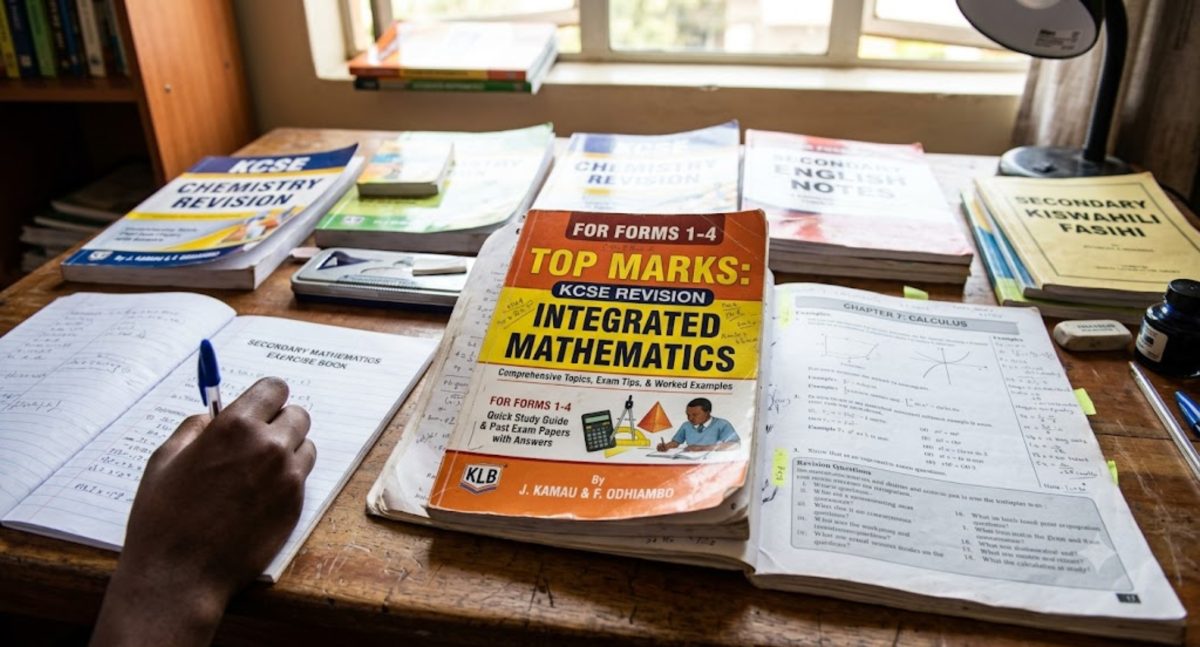
At least twice a week, complete practice papers under examination conditions. Work within the required time, avoid distractions and review your answers afterwards.
Timed practice helps candidates improve concentration, manage examination time and identify topics that require additional attention.
How day scholars can use AI for revision
If you are a day scholar, AI can be a useful study partner when used responsibly. Tools such as ChatGPT, Gemini and Grok can explain difficult topics in simple Swahili or English, generate practice questions, create revision timetables and summarise lengthy chapters.
Students can ask AI to turn their notes into quizzes, act as an examiner or provide feedback on their answers. However, information should always be cross-checked with teachers, approved textbooks and official KNEC materials because AI can sometimes provide inaccurate information.
AI should support learning, not replace it. Students should not submit AI-generated work as their own.
Protect your health and mind
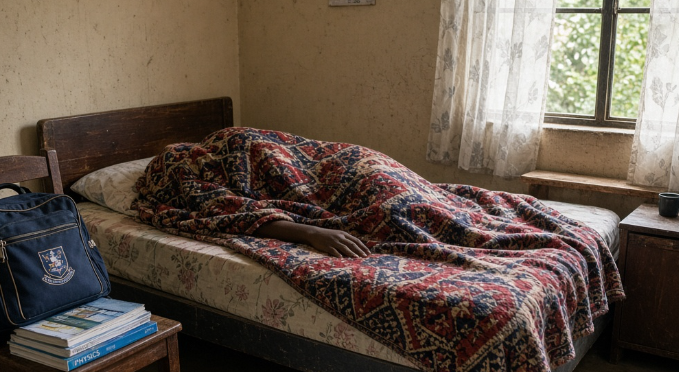
Effective revision requires adequate rest. Aim for about 7 to 8 hours of sleep each night, eat balanced meals, and take short breaks after 45 to 60 minutes of concentrated study.
Light exercise or a short walk can help reduce stress and improve concentration. Parents and teachers should encourage candidates rather than putting them under excessive pressure.
Make use of school libraries, approved textbooks, KNEC materials and reliable educational resources. Small study groups can also help students discuss difficult topics and test their understanding, provided the sessions remain focused.
Students struggling with particular subjects should seek help from teachers early rather than waiting until the final week.
Track progress and avoid cramming
Review your progress every week. Keep track of completed topics, practice scores and areas that still need improvement. Celebrate small gains, such as completing a difficult topic or improving a mock score.
Avoid all-night revision and last-minute cramming. The final days should focus on light revision, key concepts and confidence-building rather than trying to learn everything from scratch.
Nine weeks may seem short, but consistent daily effort can produce significant improvement.
With a realistic timetable, active revision, regular practice, responsible use of AI, adequate rest and support from teachers and parents, KPSEA, KJSEA and KCSE candidates can approach their examinations with greater confidence and preparation.