How to spot deepfakes on your phone
By Dan Kauna, June 27, 2026Navigating modern social media requires a vigilant set of digital eyes. What used to be a distant technological headline has quickly become part of the daily scroll on WhatsApp, TikTok, and X.
With synthetic political speeches and celebrity scams appearing more frequently, separating real events from digital illusions is now a necessary skill for everyone.
Telltale signs hiding in plain sight
Even as technology evolves, computer-generated videos and audios leave subtle glitches that observant viewers can spot. When checking a suspicious video clip, focusing on the eyes and mouth often reveals the truth.
Artificial intelligence frequently struggles to replicate natural eye-blinking cycles, authentic lighting reflections, and seamless lip synchronisation with spoken words. Audio fakes also carry specific flaws, such as sudden shifts in background atmosphere or robotic vocal inflections.
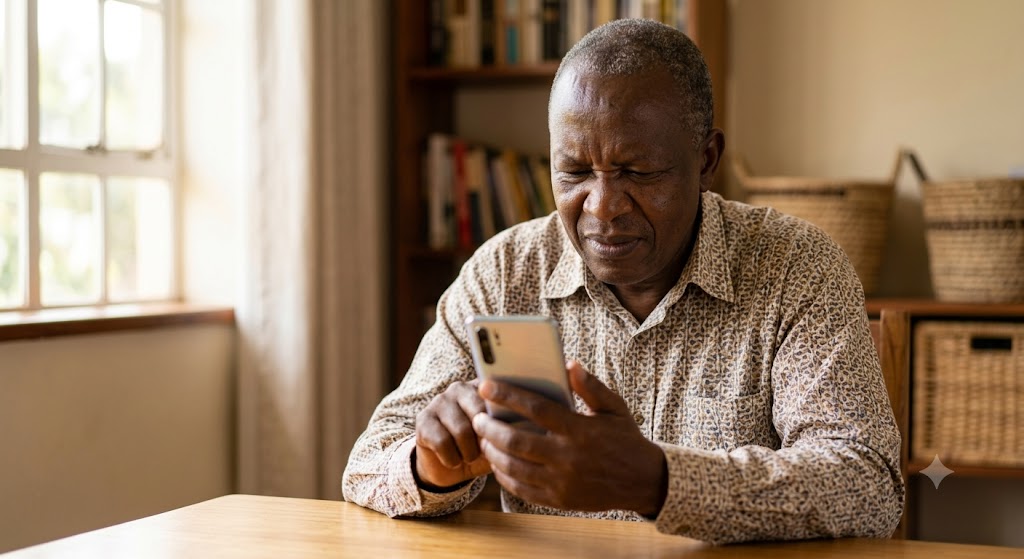
In Kenya, these altered clips frequently pop up during political campaigns or mimic local media personalities promoting fake financial schemes that promise an instant payout of Ksh5,000.
Believing our eyes are no longer foolproof. A 2026 peer-reviewed study highlights this difficulty, stating that human “classification accuracy was at chance level” when trying to identify static fake images.
This human limitation proves that a healthy dose of scepticism is essential before clicking the share button on any trending broadcast.
Simple tools to keep you safe
Protecting digital spaces does not require a degree in computer science. Every day smartphone users have free, practical verification options right in their palms.
If an unexpected video or image surfaces in a family WhatsApp group, a quick Google Reverse Image Search can instantly track down where the file originally came from and reveal its true history.
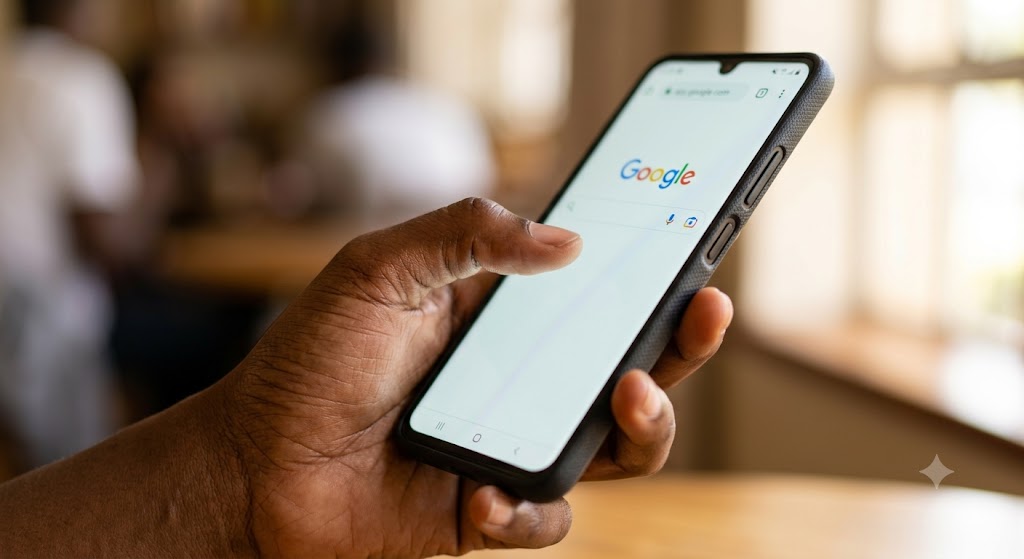
For deeper checks, accessible web tools allow anyone to break down video files into single frames to look for mismatched edges or unnatural lighting shifts that give away a fake.
Slowing down the spread of misinformation simply comes down to routine check-ups. Some trusted independent platforms actively verify trending local content, serving as a reliable line of defence.
In the fast-moving digital world, taking an extra minute to verify a video keeps the entire community safe from manipulation.