Apple ends repair support for iPhone X and 2018 MacBook Pro: What it means for owners
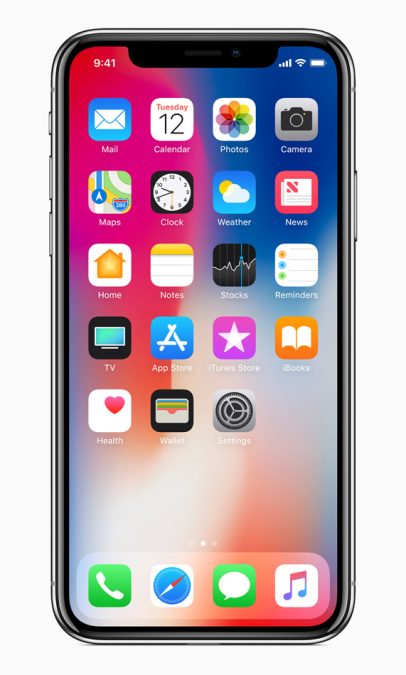
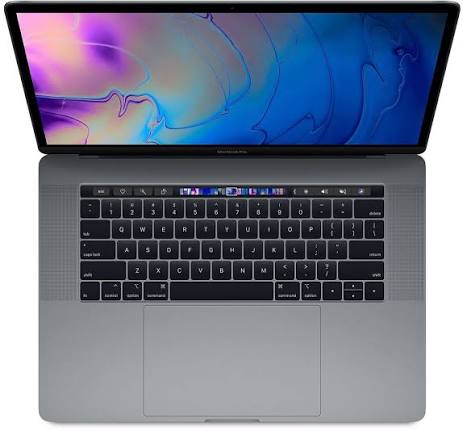
By William Muthama, August 15, 2026Apple has ended official repair support for two of its once-popular devices, adding the iPhone X and 15-inch 2018 MacBook Pro to its list of obsolete products.
The change was made on August 13, 2026, when Apple updated its support documentation to reflect the new classification.
For owners, the biggest change is that Apple and its authorised service providers will no longer provide hardware repairs or order official replacement parts for the two devices.
That means problems such as a damaged screen, failing battery, faulty logic board or other hardware issues can no longer be handled through Apple’s official repair network.
However, being labelled obsolete does not mean the devices will suddenly stop working.
Owners can continue using their iPhone X or 2018 MacBook Pro as long as the devices remain functional.
The two devices had already reached the end of their major software support.
The iPhone X, which was launched in 2017, cannot officially upgrade beyond iOS 16 and did not receive iOS 17 or later.
The 15-inch 2018 MacBook Pro is also limited to macOS Sequoia.
While security updates may continue for the final supported software versions for some time, owners should expect compatibility with newer apps and features to gradually decline.
What can owners do?
Owners who experience hardware problems now have fewer options.
One option is to use an independent repair shop, where technicians may be able to source third-party, refurbished or salvaged replacement parts.
However, the availability and quality of those parts can vary, particularly as the devices become older.
Owners can also consider selling or trading in their devices while they still retain some value, or upgrading to newer Apple products that continue to receive full hardware and software support.
A Possible Exception for the MacBook Pro
There may be a limited exception for the 2018 MacBook Pro.
Apple can sometimes provide battery-only service for Mac laptops for up to 10 years after the product was last distributed for sale, provided the necessary parts remain available.
Owners should therefore check directly with Apple or an authorised service provider to determine whether a battery replacement is still available for their specific MacBook Pro.
The same extension does not apply to the iPhone X.
Apple generally classifies products as vintage after they have not been distributed for sale for more than five years but less than seven years.
Products become obsolete after more than seven years without being distributed for sale.
The iPhone X was discontinued in 2018, while the 15-inch 2018 MacBook Pro also reached the end of its sales life around that period.
The latest move therefore marks the end of Apple’s official hardware-service life for both devices.
What this means for owners
The important thing for owners is that nothing immediately changes about how the devices work.
An iPhone X can still make calls, run supported apps and perform everyday tasks, while the 2018 MacBook Pro can continue handling normal computing needs.
The main difference is what happens when something goes wrong.
With Apple no longer offering official hardware repairs or parts, owners will increasingly have to rely on independent repair providers or consider replacing their devices.