Simple meal plans for students on a pocket-friendly budget
By Nancy Marende, March 15, 2026Eating healthy as a student in Kenya doesn’t have to be expensive. With smart planning and knowledge of affordable local foods, you can maintain a balanced diet without straining your wallet.
Here’s a guide to simple meal plans that are budget-friendly, nutritious, and based on commonly available Kenyan foods.
1. Breakfast
Breakfast is the most important meal, and it can be healthy and cheap. Some affordable options with a budget of between Ksh80 and Ksh150 per breakfast include the following:
- Uji – made from millet, maize, or sorghum flour, uji is filling, inexpensive, and perfect for early mornings. Add a spoon of peanut butter or milk for extra protein.
- Chapati and Eggs – A simple chapati with a boiled or fried egg provides carbohydrates and protein, keeping you full until lunch.
- Mandazi or Mahamri with Tea – While slightly indulgent, one or two pieces with chai can work as a quick and inexpensive breakfast.

2. Lunch
Lunch can be quick, filling, and affordable using local staples from between Ksh100 and Ksh 200 per dinner:
- Githeri – A mix of boiled maize and beans, githeri is high in protein and fiber. You can add vegetables like sukuma wiki (kale) or carrots for extra nutrients.
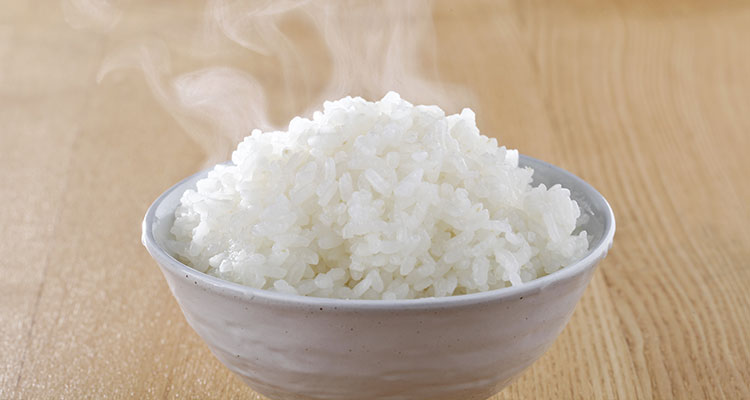
- Rice and Beans – Cook rice with a portion of beans; add tomato and onion sauce for flavor. This is a classic, inexpensive student lunch.
- Ugali with Sukuma Wiki or Fish – Ugali is cheap and versatile. Pair it with sautéed sukuma wiki or small fried fish for a balanced meal.
3. Dinner
Dinner should be filling but simple at an estimated cost of Ksh200 and Ksh300 per dinner
- Chapati with Vegetable Stew – Use seasonal vegetables like cabbage, spinach, or pumpkin leaves in a tomato-onion stew. Chapati or ugali can serve as the base.
- Rice and Lentils (Ndengu) – Lentils are cheap, protein-rich, and easy to cook. Mix with vegetables and spices for a nutritious meal.
- Nyama Choma Alternatives – While nyama choma (roasted meat) is expensive, you can enjoy small portions occasionally. Combine with ugali and vegetables for a budget-friendly dinner.
4. Snacks and Drinks
Snacks are important to keep energy levels up:
- Fresh fruits like bananas, pawpaw, or oranges
- Roasted groundnuts or simsim
- Chapati rolls with vegetables or leftovers from lunch
As for drinks, water is cheapest and healthiest. Chai or milk can be consumed in moderation.
Tips to Stay on Budget
- Buying foods like maize, beans, rice, and lentils in bulk is cheaper.
- Use seasonal vegetables like sukumawiki and spinach since they are cheaper and fresher than imported ones.
- Cooking in batches by preparing meals in advance saves both time and money.
- Limit processed foods, like snacks and packaged items, which are expensive and often less nutritious.