Should your job control what you post online?
By Trizer Lijondo, August 17, 2026Social media has become an extension of everyday life. People share their opinions, frustrations, celebrations, jokes and personal experiences online, often without thinking about how those posts could affect their careers.
But as workplaces increasingly pay attention to employees’ online presence, an important question has emerged: should your job control what you post online?

Freedom meets responsibility
Employers have a legitimate interest in protecting their reputation. An employee’s public conduct can sometimes be associated with the organization they work for, especially when they openly identify their employer on their profiles. Offensive comments, confidential information or posts that promote harmful behavior can create serious problems for a company.
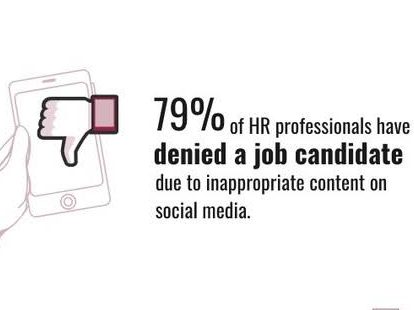
However, there is also a line between protecting a workplace and controlling an employee’s personal life. Having a job should not automatically mean giving up the right to personal opinions or expression outside working hours. Employees are individuals with lives, beliefs and interests that may have nothing to do with their employers.
The challenge becomes greater when workplaces have unclear social media policies. Some employees may not know what is considered inappropriate, while others may feel pressured to present a carefully controlled version of themselves online. This can create an environment where people are constantly worried that an innocent joke, photograph or opinion could cost them their job.
Think before you post
Employees also have a responsibility to exercise good judgement. Freedom of expression does not mean freedom from consequences. Sharing confidential workplace information, attacking colleagues, making discriminatory remarks or deliberately damaging a company’s reputation can cross a reasonable boundary.
The best approach may therefore be balance rather than complete control. Employers should establish clear, reasonable policies that focus on genuine risks rather than attempting to dictate every aspect of an employee’s personal expression.
At the same time, workers should remember that the internet has a long memory. A post made in anger or for entertainment can resurface years later and be interpreted differently from how it was originally intended.
Ultimately, your job may have a legitimate interest in what you post, but it should not own your entire online identity. The key is understanding where professional responsibility ends and personal freedom begins.