Red vs white meat: Health benefits and risks you didn’t know
By William Muthama, April 2, 2026Red and white meat are staples in many diets around the world, loved for their high protein content, flavour, and versatility.
They are often eaten as part of everyday meals, whether grilled, roasted, or fried, and it’s easy to include them several times per week without thinking about the long-term impact on health.
While both types of meat provide essential nutrients, they differ in ways that can affect the body. Red meat, which includes beef, lamb, and pork, is packed with iron, zinc, and B vitamins that support energy, immunity, and muscle function.
White meat, such as chicken, fish and turkey, is lower in saturated fat and calories while still offering high-quality protein, making it a popular choice for heart-healthy or weight-conscious diets.
Health risks of overconsumption
Despite their benefits, overconsumption of either meat can carry hidden health risks. According to a study published by the National Library of Medicine by Huiling Zhang and Mailin Gan, the structural and nutritional differences between red and white meat can influence cardiovascular and metabolic health.
The study notes that red meat, especially processed varieties, contains higher levels of saturated fat and certain compounds formed during high-heat cooking, which may raise LDL cholesterol and increase the risk of heart disease.
“Excessive intake of red meat is linked with higher serum cholesterol levels and increased risk of metabolic disorders,” The study notes.
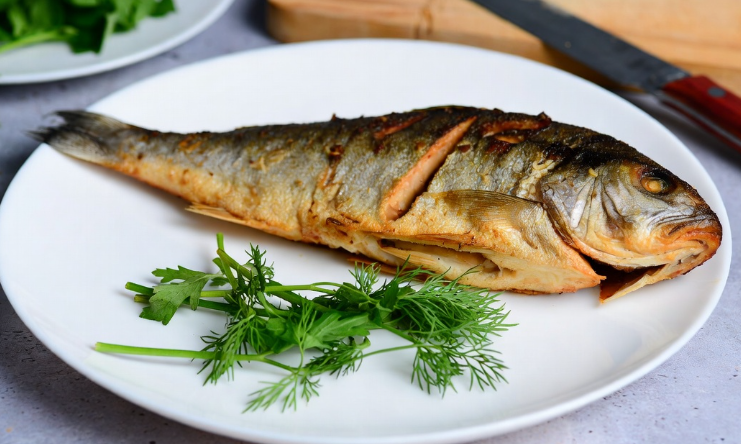
White meat, in contrast, generally has a lighter impact on blood cholesterol levels but provides less heme iron, which can be a concern for some individuals who need higher iron intake.
“White meat consumption showed relatively neutral effects on lipid profiles, suggesting it may be a safer choice when consumed regularly,” The study notes.
Moderation and balanced consumption
The findings suggest that neither red nor white meat is inherently “bad,” but moderation and preparation matter.
Regularly consuming large amounts of red meat or fried meats can strain the heart and metabolism, while relying solely on lean white meat may reduce some risks but could limit intake of nutrients like creatine and carnosine that are more abundant in red meat.
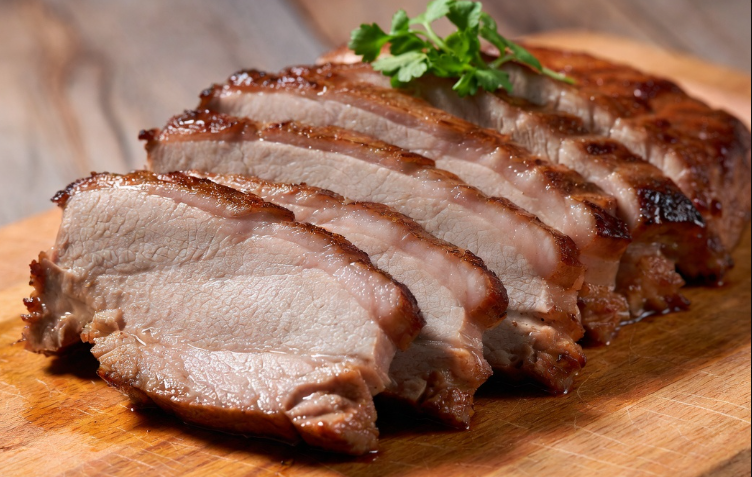
Balancing meat consumption with plant-based foods, whole grains, and healthy fats is key to minimising risk while maximising nutrition.
Small dietary adjustments can make a big difference. Choosing lean cuts, limiting processed meats, and alternating between red and white meat can help maintain a balanced diet.
Adding vegetables to meals and using healthier cooking methods like baking, steaming, or grilling can further reduce negative effects, allowing people to enjoy meat while supporting long-term heart and metabolic health.