Advertisement
Penalties employers risk for failing to implement Ruto’s 12% salary increase order
06th July, 2026 03:45 PM
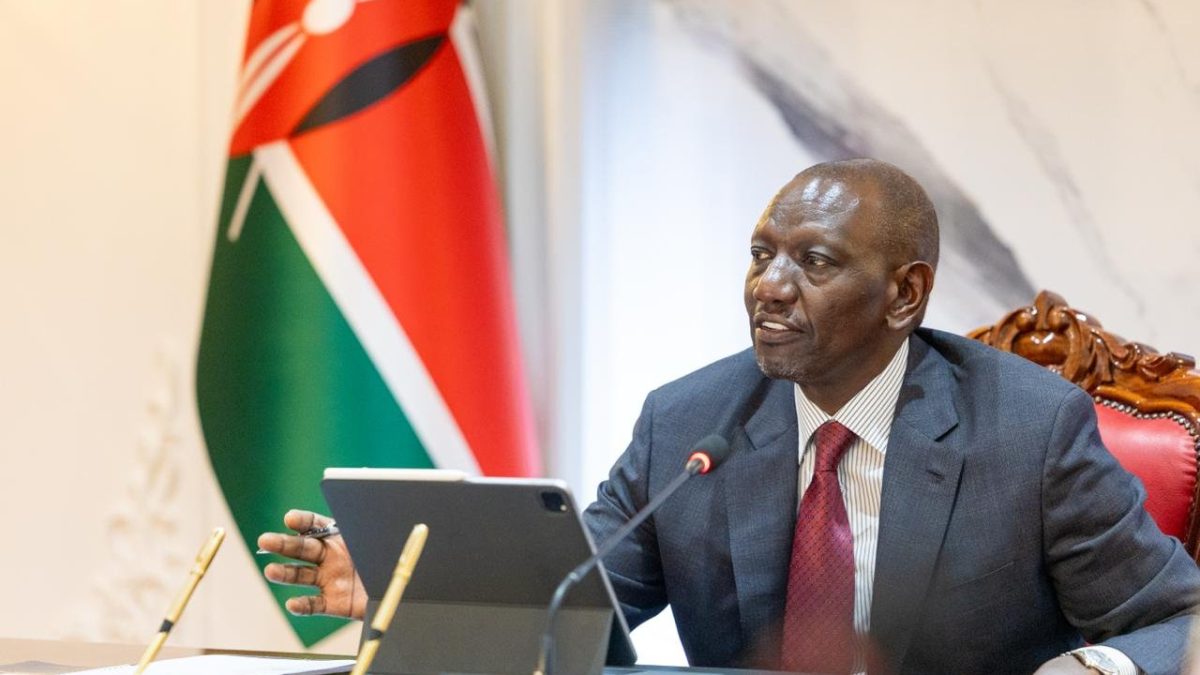
Employers who fail to implement President William Ruto’s 12 per cent minimum wage increase risk hefty fines, imprisonment and legal action following the gazettement of the revised wage regulations.
Although Ruto announced the pay rise during the Labour Day celebrations on May 1, 2026, the directive became legally enforceable after the publication of Legal Notice No. 108 of June 26, 2026, under the Regulation of Wages (General) (Amendment) Order, 2026.
The order took effect retroactively from May 1, 2026, meaning affected employees are entitled to salary arrears from that date.
“I am pleased to announce a 12 per cent increase in general wages and a 15 per cent increase in agricultural wages to all Kenyan workers. Happy Labour Day. May we continue building this nation together for this and for future generations as we strive to transform Kenya into a developed economy within our lifetime,” Ruto declared.
The increment directive is part of Ruto’s efforts to cushion low-income workers against the rising cost of living.

Penalties for non-compliance
Under Kenya’s labour laws, employers who fail to comply with the new minimum wage regulations face serious consequences.
Depending on the applicable legal provisions, offenders risk fines of up to Ksh100,000, imprisonment for up to two years, or both. In some cases, labour law violations may also attract penalties of up to Ksh50,000, imprisonment for up to three months, or both.
Besides criminal penalties, employers who fail to implement the revised wages are legally required to pay all outstanding salary arrears dating back to May 1, 2026.
They may also be ordered to pay accrued interest and any damages awarded by the Employment and Labour Relations Court where employees successfully challenge non-compliance.
Labour officers have the authority to inspect workplaces, investigate complaints and institute legal proceedings against employers who continue paying workers below the gazetted minimum wage. Businesses found in breach of the law also risk reputational damage and costly employment disputes.
FKE directive to employers
Following the gazettement, the Federation of Kenya Employers (FKE) directed employers and human resource departments to immediately implement the revised wage rates.
In its June 30, 2026 advisory, the federation instructed employers to update payroll systems without delay, apply the new salaries and compute salary arrears backdated to May 1, 2026.
“As you are aware, William Samoei Ruto, President of the Republic of Kenya and Commander-in-Chief of the Kenya Defence Forces, during the National Labour Day celebrations held on 1st May 2026, announced a 12% increase in general minimum wages and a 15% increase in agricultural minimum wages,” FKE stated.Feder
“Employers are hereby advised to review and implement the necessary adjustments to ensure full compliance with the revised statutory minimum wage requirements effective 1st May 2026.”
FKE also advised employers to seek guidance where necessary to ensure full compliance with the amended wage order and avoid the penalties provided under the law.