Nick Mwendwa explains why kienyeji eggs are more expensive than layers’
By Valerian Khakayi, June 16, 2026Former Football Kenya Federation (FKF) boss Nick Mwendwa has weighed in on the growing price difference between kienyeji eggs and commercial layer eggs, pointing to production choices by farmers, market supply, and consumer demand as key factors behind the gap.
In a video shared on his social media account, Mwendwa noted that most poultry farmers have gradually shifted to rearing layers due to their ability to produce eggs faster and in large quantities, making them more attractive for quick returns.
“Mayai mingi kwa supermarket nimeenda ni hizo za brown, the ones that come from layers; hizo mayai kila mtu ako nazo,” Mwendwa observed, highlighting the dominance of brown eggs in supermarkets.
He explained that this shift has led to a situation where layer eggs are abundant in the market, retailing at around Ksh 23 each, while kienyeji eggs remain scarce and significantly more expensive, going for about Ksh 53.

According to him, many farmers have abandoned kienyeji poultry farming over time because it requires patience, longer rearing periods, and slower egg production cycles, even though it can be more profitable in the long run.
“Every farmer in the poultry business, especially those producing eggs, shifted to rearing layers; that is the reason they have flooded the market,” he added.
“One egg is Ksh 23, but kienyeji eggs retail at Ksh 53.”
Kienyeji chickens vs layers
Mwendwa added that while kienyeji chickens take longer to mature and lay fewer eggs annually, their scarcity in the market pushes their prices higher, making them more profitable for farmers willing to wait.
He further noted that the economics of poultry farming ultimately come down to patience versus quick returns, with kienyeji farming rewarding long-term planning while layer farming favours faster cash flow.
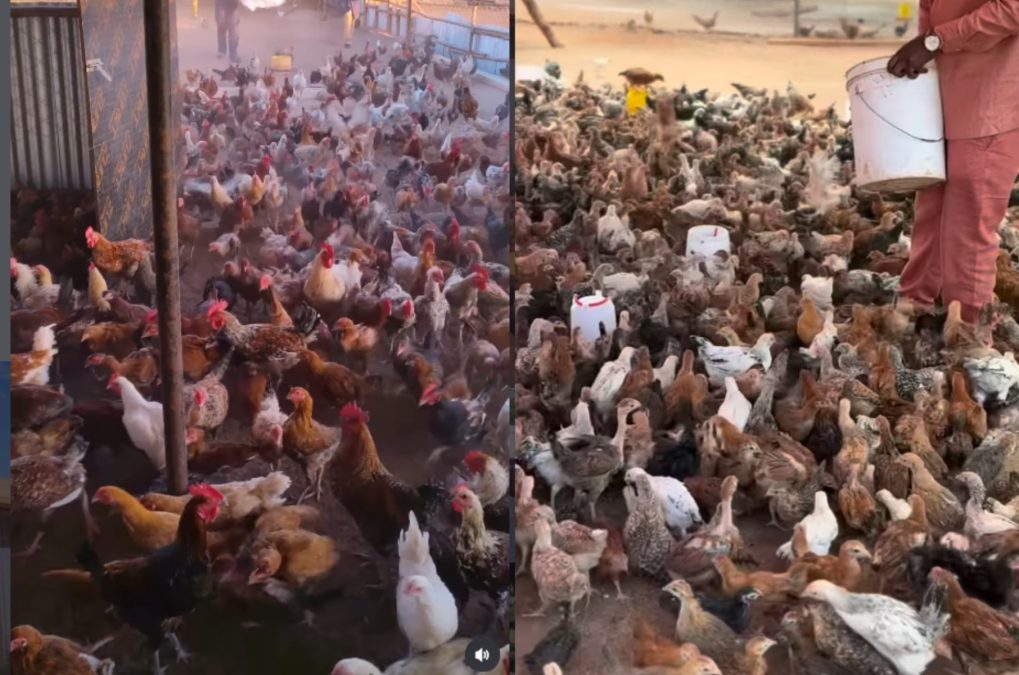
“So most farmers have found it difficult to wait and to farm kienyeji chickens, even though kienyeji chickens will make them more money, but they want quick cash. That is why the brown eggs have flooded the market while the white ones are scarce and have a high price, so you make more money farming kienyeji,” he said.
“Most farmers stopped farming kienyeji chickens over time; that is why kienyeji eggs are scarce while layer eggs are more; as a result, kienyeji eggs retail higher. So if you are patient and farm kienyeji chickens, even though they lay fewer eggs across the year, you will earn more profit.”
According to him, the contrast between the two is clear in the market: brown eggs from layers dominate shelves at lower prices, while kienyeji eggs remain fewer but command premium pricing.