Advertisement
Why you should wash hands after touching money
26th May, 2026 11:19 PM
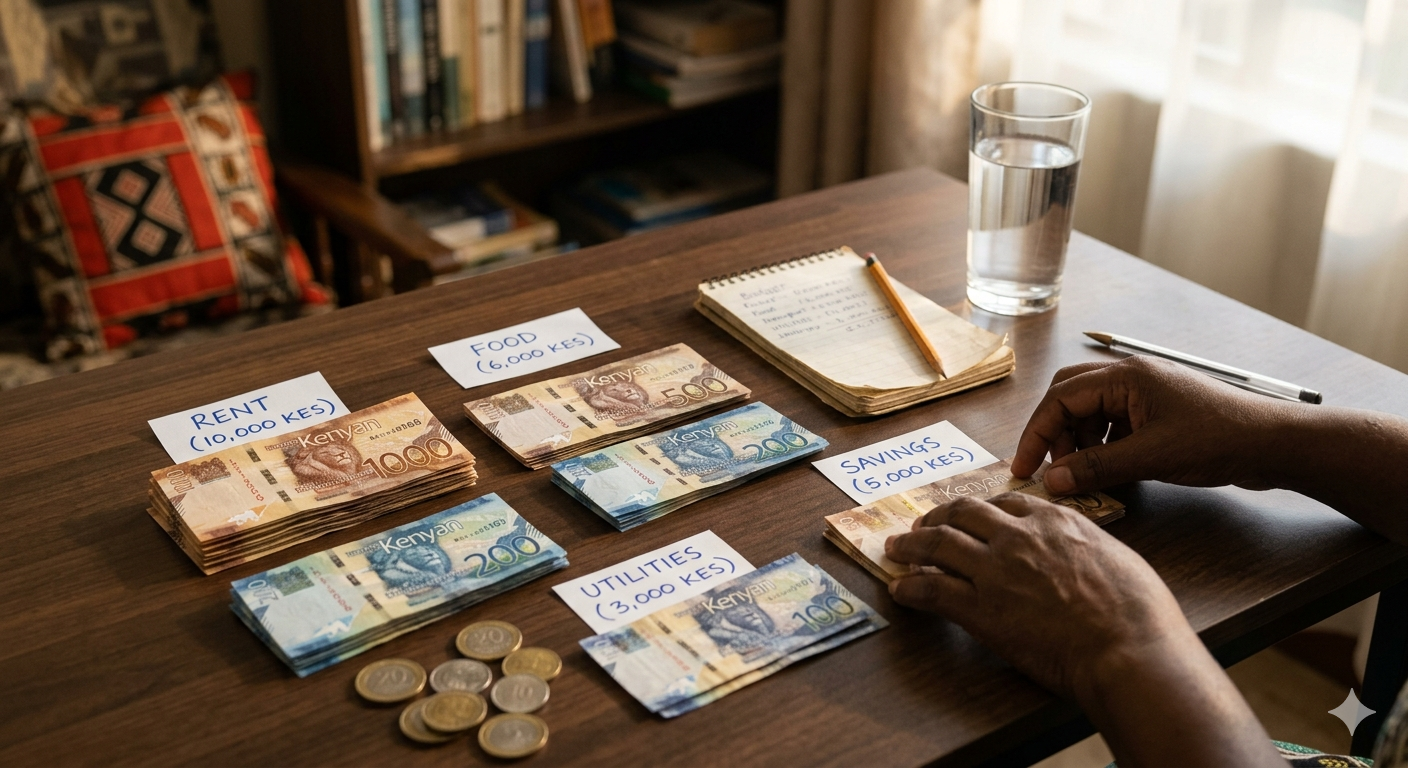
Money passes through countless hands every single day.
A single bank note can move from a market vendor to a passenger in a bus, then to a shopkeeper, waiter, farmer, student or office worker within only a few hours.
While currency plays an essential role in everyday life, many people rarely stop to think about how dirty it can become.
Health experts have long warned that money can carry germs, bacteria and harmful substances because of the number of surfaces and people it comes into contact with daily.
This is why washing hands after handling money is considered an important hygiene habit.
Money carries germs
Unlike personal belongings that are used by one individual, paper notes and coins circulate widely among strangers.
Some people touch money after coughing, sneezing, sweating, handling waste or visiting the toilet without properly washing their hands.
As currency continues moving from one place to another, it can collect bacteria, viruses and fungi along the way.
In busy places such as markets, public transport stations and restaurants, the risk of contamination increases further.
Many people also place money on dirty counters, floors, tables or inside pockets and bags that may contain dust and germs.

Bank notes
Modern banknotes are made using specialised materials and chemical treatments designed to increase durability and protect against counterfeiting.
Some currencies contain cotton fibres, polymers, inks, dyes and chemical coatings.
Although these materials are generally considered safe to handle, prolonged exposure combined with dirt, sweat, and environmental contaminants may irritate sensitive skin in some individuals.
Certain printing chemicals and metallic components found in coins can also leave residues on the skin after prolonged contact.
For people with allergies or sensitive skin, frequently touching dirty notes without washing hands may contribute to irritation or discomfort.
Germs can easily enter the body
One major reason hand washing is important after touching money is that people often touch their face without realising it.
After handling cash, someone may rub their eyes, touch their mouth or eat food immediately afterwards.
This creates an easy path for germs to enter the body.
In many cases, illnesses spread not because money itself is dangerous, but because contaminated hands transfer germs into the body through food, drinks or facial contact.
Children are particularly vulnerable because they frequently place their fingers in their mouths without understanding hygiene risks.
Food handlers
People who regularly handle both food and cash at the same time may face increased health risks.
In busy restaurants, kiosks and markets, some workers receive money and immediately continue preparing or serving food.
Without proper hand hygiene, bacteria from currency can easily contaminate meals and drinks consumed by customers.
This is why many health experts encourage businesses to separate money handling from food preparation whenever possible.
Dirty money
Old and worn-out notes often absorb sweat, smoke, oils, dust and moisture from the environment. Some bank notes may even come into contact with chemicals, fuel residues or unhygienic surfaces before reaching another person.
Over time, currency can develop unpleasant smells and carry invisible contaminants that remain on the skin after handling.
Although many germs may not survive long on certain surfaces, repeated exposure throughout the day increases the chances of contamination.
Washing hands
Simple hand washing with soap and clean water remains one of the most effective ways to reduce the spread of germs linked to contaminated surfaces including money.
Cleaning hands properly after touching cash helps remove bacteria, dirt and chemical residues before they enter the body or spread to other people.
Using alcohol based hand sanitisers can also help when soap and water are not immediately available.
Good hygiene habits become especially important before eating, cooking or touching the face.
Digital payments
The rise of mobile money and digital payments has slightly reduced physical contact with currency in many places.
Contactless transactions help lower the constant exchange of cash between individuals.
However, physical money remains widely used across the world, especially in markets, transport sectors and small businesses.
This means proper hygiene practices are still necessary in everyday life forms of protection.