Advertisement
Why lending small money to friends can become a financial problem
15th June, 2026 11:46 AM

Money is often described as a simple tool, but when it enters friendships, it tends to become something far more complicated. What starts as a small favour between friends can gradually turn into silent pressure, unmet expectations and emotional distance that weakens even long-standing relationships.
The ‘small amount’ that starts it all
In most friendships, lending money begins casually. It could be transport fare, lunch money, or help with a short-term emergency. Because the amount is small, it rarely feels risky. The assumption is usually that repayment will happen quickly, and everything will go back to normal.
However, financial behaviour experts note that even small informal loans introduce an unspoken contract. Once money changes hands, the relationship is no longer purely social. It becomes partly transactional, even if both parties insist otherwise.

Shifting expectations without saying it
One of the earliest signs of strain is the shift in expectations. The lender may begin to expect faster repayment, while the borrower may assume flexibility due to friendship. Since these expectations are rarely discussed clearly, misunderstandings start building quietly.
Over time, the lender may feel ignored if repayment delays continue, while the borrower may feel judged or uncomfortable when reminded. This emotional gap grows silently, often without any direct confrontation.
The stress of delayed repayment
Delayed repayment is one of the most common reasons friendships begin to weaken. In many cases, borrowers do not refuse to pay but struggle with ongoing financial pressure. From their side, prioritising repayment may not always be possible.

On the other hand, lenders may interpret delays as a lack of seriousness or respect. Even when the amounts are small, repeated postponements can create frustration. What was once a simple favour slowly turns into a source of irritation.
When friendship starts feeling like a debt cycle
As these exchanges repeat, friendships can start to feel like informal debt cycles. One person is always asking, while the other is always giving or waiting to be repaid. This imbalance creates emotional fatigue on both sides.
Conversations may become less relaxed, and social interactions more cautious. In some cases, friends begin avoiding each other simply to escape uncomfortable money discussions.
The silent breakdown of trust
Unlike major conflicts, money-related tension in friendships rarely ends in open disagreement. Instead, it often leads to silence. Communication reduces, trust weakens, and the friendship slowly fades without a clear ending.
What makes it more difficult is that both sides may still value the relationship, but the financial strain creates emotional distance that is hard to reverse.
Financial behaviour studies suggest that mixing personal relationships with informal lending increases the risk of conflict. Without written agreements or clear terms, expectations remain vague and open to interpretation.
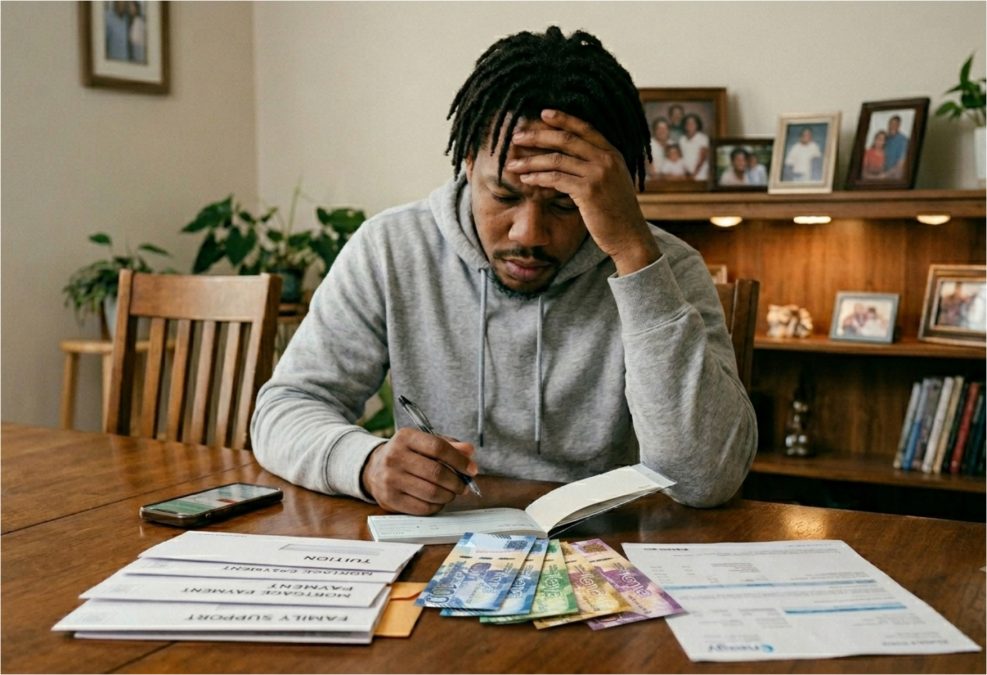
Experts often advise setting boundaries early. This may include deciding not to lend money that one cannot afford to lose, or being honest when financial help is not possible. Clear communication is seen as the strongest way to protect relationships from financial strain.
While helping a friend in need is a natural gesture, repeated informal lending can slowly change the foundation of trust. What begins as a small act of kindness can gradually reshape how two people relate to each other.