Why financial patience matters when building wealth
By Katemarthason Okudo, August 24, 2026Building wealth is often presented as a race. With social media filled with stories of new businesses, investments, and people making money at a young age, it can be easy to feel as though financial progress should happen quickly.
But for most people, building lasting wealth is a gradual process. It involves earning, saving, investing and making sensible financial decisions repeatedly over a long period.
Patience does not mean sitting back and doing nothing. It means understanding that money needs time to grow and resisting the temptation to abandon a good financial plan simply because the results are not immediate.
Wealth rarely grows overnight
One of the biggest mistakes people make when trying to improve their finances is expecting quick results.
A person may start saving or investing and become discouraged after a few months because the amount has not grown significantly. This can lead to unnecessary withdrawals, frequent changes in investment choices, or chasing opportunities that promise unusually high returns.
The longer money remains invested, the more opportunity it has to benefit from compounding. This happens when returns earned on an investment are left in place and begin generating additional returns over time.
The effect may appear small at first, but becomes more noticeable as time passes. This is why consistency can matter more than making a large financial move once and then stopping.

Patience helps protect financial decisions
Financial patience is also about controlling emotions.
Markets can rise and fall, businesses can have slow periods, and income can change. When people focus too much on short-term results, they may make decisions based on fear or excitement rather than their original financial goals.
For example, an investor who sees the value of an investment fall may be tempted to sell immediately. Someone else may move money from one opportunity to another simply because another investment appears to be performing better.
Small amounts can still have a purpose
Patience is particularly important for people who cannot afford to invest large amounts of money.
A person earning a modest income may only be able to put aside a small amount each month after paying rent, food, transport and other expenses. It may seem insignificant compared with larger investments, but regular contributions can create a financial habit while gradually increasing the amount of capital available.
As income improves, the amount being saved or invested can also increase.
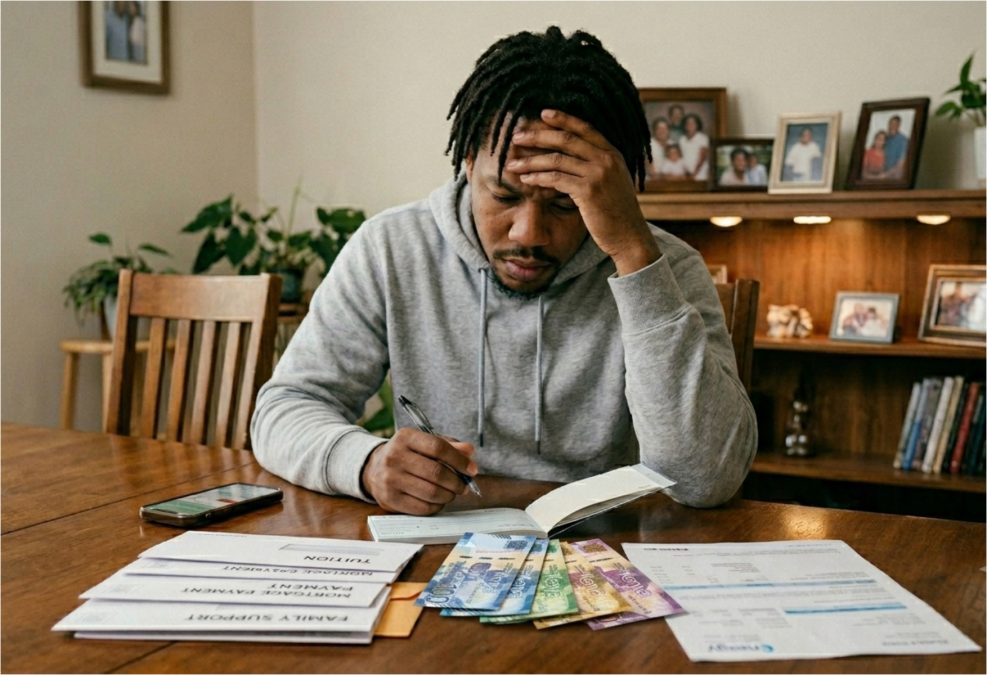
The important point is to avoid measuring progress only by how much money has been accumulated today. Financial progress can also be seen in reduced debt, a growing emergency fund, better spending habits and increasing investments.
Avoid the pressure to look wealthy
Another reason financial patience matters is the pressure to keep up with other people’s lifestyles.
Social media can make expensive holidays, new cars, designer clothes and other purchases appear normal. However, what is displayed does not show the full financial picture behind it.
Trying to maintain an expensive lifestyle before building a strong financial foundation can leave little money for savings and investments.
Building wealth quietly may not always look impressive. It can mean continuing to save when there is no immediate reward, delaying unnecessary purchases and putting money towards goals that may take years to achieve.
Give your money time to work
Financial patience is ultimately about accepting that long-term wealth is built through repeated decisions. The goal is not to become wealthy as quickly as possible. It is to build financial security that can withstand setbacks and continue growing over time.