What parents can do to save money on school lunches
By Dan Kauna, July 16, 2026As Nairobi schools prepare to close Term II in July 2026 and reopen for Term III in August 2026, parents are looking closely at their household budgets. School lunch is one of those constant expenses that can silently drain a wallet.
Fortunately, there are realistic ways to keep your child fed without going broke.
Pack from home or buy from the canteen?
If your child’s school does not provide meals, you probably choose between the school canteen and packing a lunchbox. Most Nairobi school canteens charge between Ksh150 and Ksh250 daily for lunch. While this is convenient, it adds up to thousands of shillings every month.
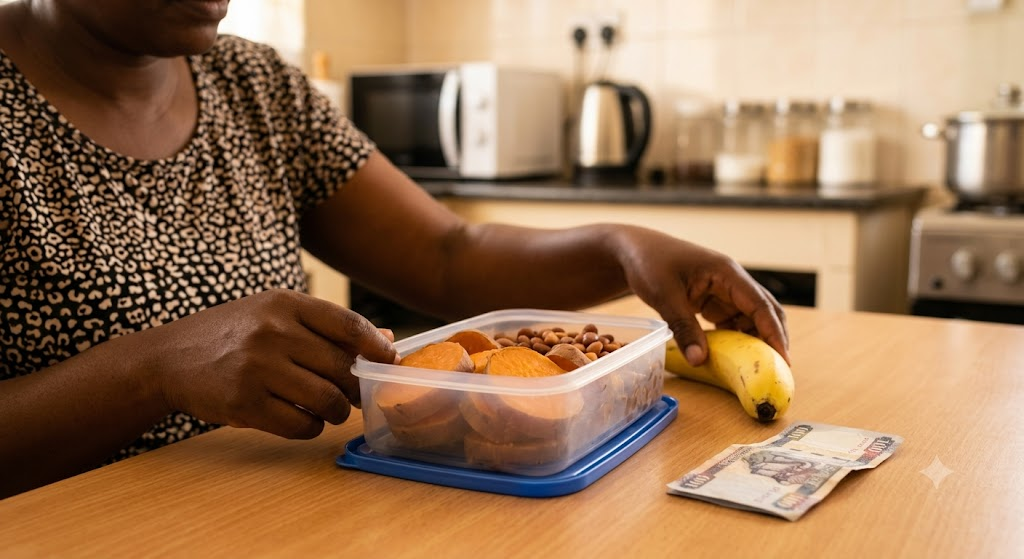
By comparison, packing food from home can cost as little as Ksh50 to Ksh100 a day. A budget-friendly lunchbox can be as simple as a sweet potato, a boiled egg, and a banana.
This combination gives your child a healthy mix of carbohydrates, protein, and vitamins. The main catch here is time. You will need about 30 minutes every evening or early morning to prepare these meals, but the savings at the end of the term make the effort worthwhile.
County feeding programmes and the nutrition trap
If you have to pack lunches, keeping things healthy is another battle. It is easy to fall into the trap of packing cheap biscuits and sugary juices, but this can backfire on your child’s health and learning.
A study published in BMJ Open highlights this issue: “Research consistently shows that primary school children’s packed lunches are of inferior quality compared with school meals”. This is because packed lunches tend to carry more sugar, fats, and salt, but lack fibre.
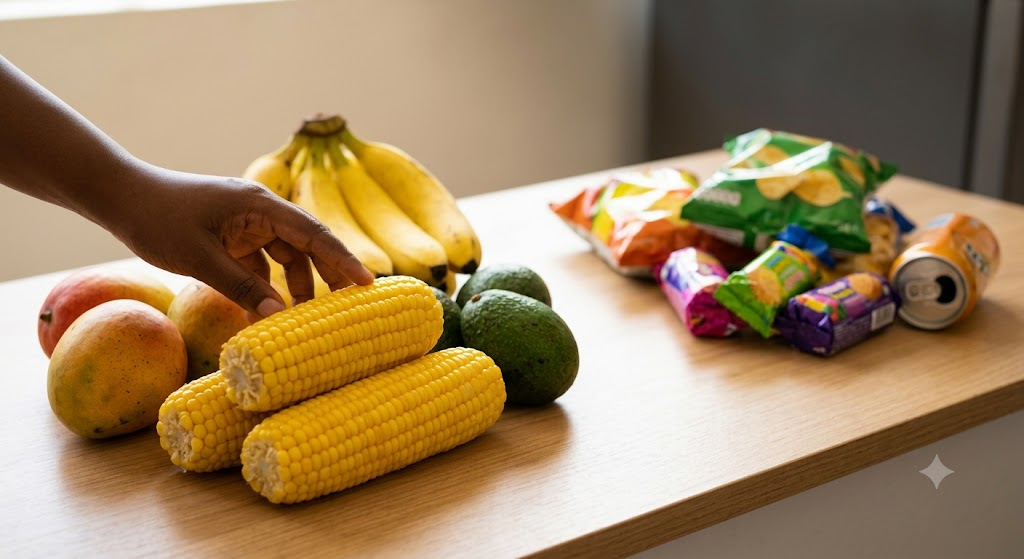
Replacing processed snacks with boiled maize, sweet potatoes, or seasonal fruits keeps costs down and ensures children do not suffer from afternoon fatigue. Managing school meal costs comes down to choosing between the convenience of canteens, the affordability of county programmes, and a little extra time spent preparing food.