Silent money leaks draining your bank account every month
By Trizer Lijondo, September 23, 2026It can be frustrating to check your bank account and wonder where your money went, especially when you have not made any major purchases. While rent, food and transport are obvious expenses, small payments made repeatedly can quietly eat into your income without attracting much attention.
From forgotten subscriptions to convenience purchases and transaction charges, these seemingly harmless expenses can add up significantly by the end of the month. The problem is that many people notice them only when their bank balance is already lower than expected.
Small expenses that quietly add up
One of the biggest money leaks is spending on things that appear affordable individually. A cup of coffee, an occasional food delivery, ride-hailing instead of public transport or buying snacks while out may not seem like a financial burden.
However, repeating these purchases several times a week can create a sizeable monthly expense. A person spending KSh300 on an unnecessary purchase three times a week, for example, could spend more than KSh3,000 in a month.
Convenience can also come at a cost. Paying extra for delivery, choosing a more expensive option because it saves time or making impulse purchases can gradually reduce disposable income.
Forgotten subscriptions and recurring payments
Another common leak is money leaving an account through recurring payments that people rarely think about. Streaming services, cloud storage, fitness memberships, apps and other digital subscriptions can continue charging monthly even when they are barely being used.
The amounts may be small enough to ignore individually, but several subscriptions can collectively take a noticeable portion of one’s income.
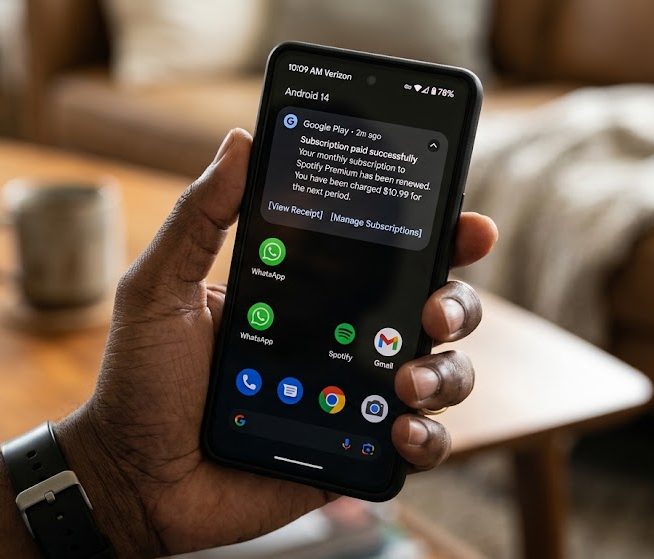
Bank and transaction charges can also contribute to the problem, particularly for people who make frequent transfers or withdrawals. Checking statements regularly can help identify recurring deductions and payments that have become unnecessary.
When convenience becomes a spending habit
The bigger problem is often not one expensive purchase but repeated habits. Ordering food because cooking feels inconvenient, taking a cab for a short distance or buying something simply because it is on offer can become routine.
Tracking spending for one month can reveal patterns that are easy to miss when relying on memory. Categorising expenses into essentials, savings and discretionary spending can also make it easier to identify areas that need adjustment.
The goal is not necessarily to eliminate every small pleasure. Instead, recognising where money is quietly disappearing can help people make deliberate choices about what deserves a place in their monthly budget.