Advertisement
M-Pesa sending habits and 5 other silent money leaks draining Kenyan salaries in 2026
15th June, 2026 08:30 AM
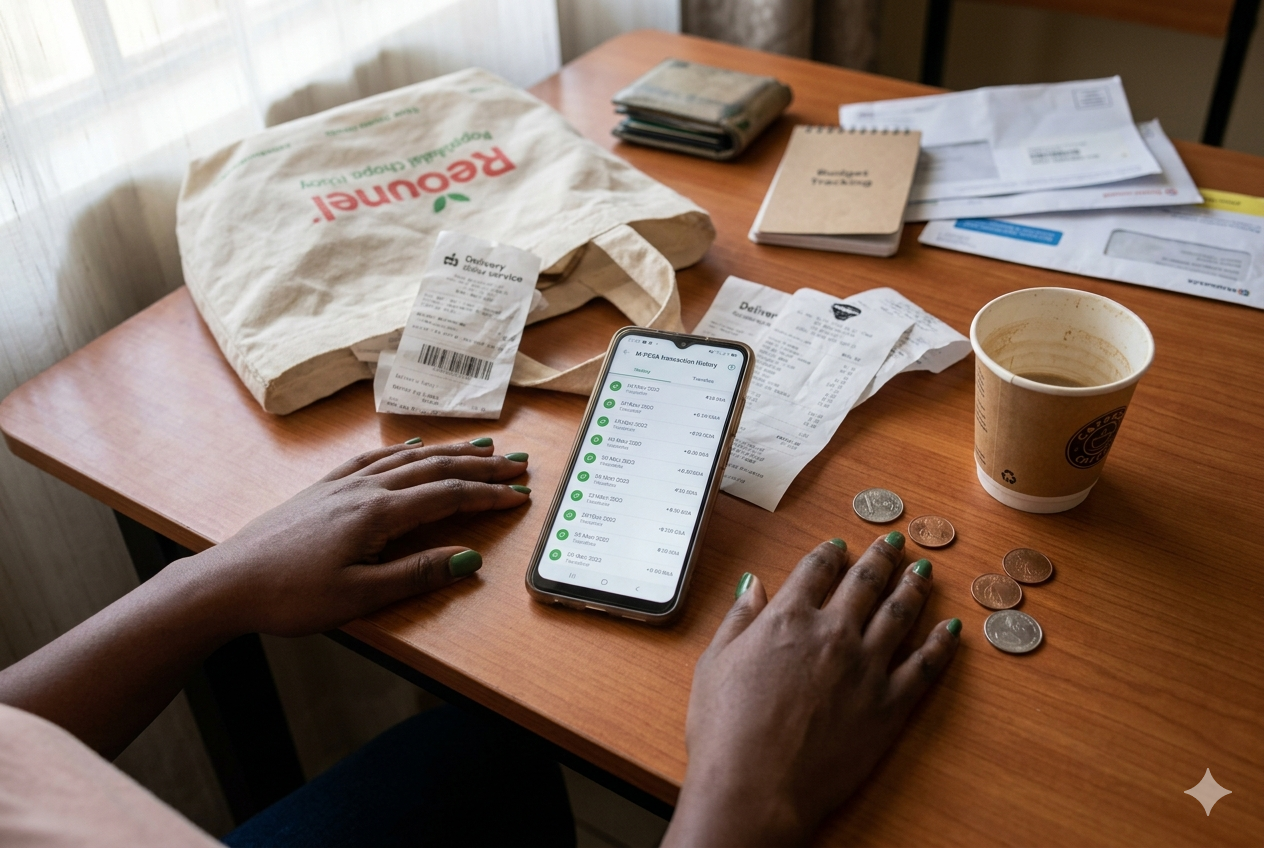
Salary arrives with the promise of order, discipline, and a fresh financial start. For a few days, everything behaves well. Bills look like they will be paid early, savings ideas suddenly feel realistic, and even budgeting apps are opened with enthusiasm that deserves applause.
Then, somewhere between a quick lunch out, a “just one Uber,” a small online deal that looked too good to ignore, and a few innocent M-PESA transfers that feel like helping society, the money quietly starts disappearing. No alarms go off, no dramatic events happen, yet by mid-month, the account balance begins to look like it has been through a group project without a leader.
The truth is that financial struggles are not always caused by major expenses such as rent, school fees, or medical bills. More often, money quietly slips away through small daily habits that seem harmless at the time. These silent leaks rarely attract attention because each expense appears insignificant. However, when combined over weeks and months, they can consume a substantial portion of one’s income.
As the cost of living continues to rise in 2026, identifying and plugging these hidden leaks has become more important than ever.
Daily takeout and convenience spending
There is no denying the appeal of grabbing a quick meal on the way to work or ordering lunch through a delivery app. After a long day, cooking can feel like an exhausting chore, making takeout seem like the perfect solution.
The problem is that convenience comes at a price. Spending Ksh500 on lunch might not seem excessive, but repeated five days a week, it amounts to roughly Ksh10,000 every month. Add breakfast purchases, evening snacks, and occasional coffee runs, and the total can easily climb even higher.
Many Kenyans underestimate how much they spend on food outside the home because these purchases happen in small amounts. Yet over a year, the cost can equal several months’ rent or a significant investment opportunity.
Preparing meals at home, even a few days each week, can create noticeable savings without sacrificing enjoyment. The goal is not to eliminate treats but to ensure they remain occasional rewards rather than daily habits.
Ride-hailing dependence
Ride-hailing services have transformed urban transport. With a few taps on a smartphone, a car arrives at your location and takes you exactly where you need to go.
The convenience is undeniable, but frequent use can quietly drain a salary. A Ksh400 trip here and a Ksh600 trip there may seem manageable. However, when ride-hailing becomes the default mode of transport rather than an occasional convenience, transport costs can balloon dramatically.
Traffic congestion in cities such as Nairobi often pushes fares even higher during peak hours. Many people are shocked when they calculate their monthly transport spending and discover that they could have saved thousands of shillings by combining public transport, walking short distances, or planning journeys more efficiently.
Ride-hailing is a useful tool, but treating it as a necessity rather than a luxury can place unnecessary pressure on personal finances.
Costly M-PESA Sending Habits
M-PESA remains one of Kenya’s greatest financial innovations, making money transfers quick and effortless. However, the ease of sending money can sometimes encourage careless spending.
Many people frequently send small amounts of money throughout the day without paying attention to transaction charges. Whether it is splitting bills, helping relatives, contributing to group activities, or sending emergency cash requests, the fees can quietly accumulate.
There is also the tendency to make multiple transfers when a single larger transaction would have been sufficient. Over time, repeated charges eat into disposable income.
Reviewing M-PESA statements often reveals surprising spending patterns. What appears to be a few shillings here and there can add up to thousands of shillings annually. Being more intentional about transfers and consolidating payments where possible can help reduce unnecessary costs.
Subscription services you forgot about
The digital age has made subscriptions almost unavoidable. Music streaming, video platforms, cloud storage, fitness applications, premium mobile services, and gaming memberships all compete for a place in your monthly budget.
The danger lies in how automatic these payments have become. Once a subscription is activated, many people forget it exists. Months later, money continues leaving their accounts for services they rarely use.
A single subscription may cost only a few hundred shillings, but several subscriptions combined can create a significant monthly expense. Many Kenyans are currently paying for entertainment platforms they have not opened in weeks.
Conducting a subscription audit every few months can reveal surprising opportunities for savings. If a service no longer adds value to your life, cancelling it is often one of the easiest ways to free up extra cash.
Impulse online shopping
Online shopping has made purchasing products easier than ever. Attractive discounts, flash sales, and targeted advertisements create constant temptation.
The challenge is that many purchases are driven by emotion rather than necessity. A discounted item often feels like a bargain, even when it was never needed in the first place. The excitement of clicking “buy now” can temporarily overshadow financial priorities.
Small impulse purchases accumulate rapidly. Before long, wardrobes are filled with rarely worn clothes, homes contain unused gadgets, and bank balances continue shrinking.
One effective strategy is adopting a waiting period before making non-essential purchases. Giving yourself 24 to 48 hours to think often reveals whether an item is genuinely necessary or simply a momentary desire.
Protecting your salary is not always about earning more money. Sometimes it is about paying closer attention to where your money quietly disappears. By addressing these five common leaks, many Kenyans could retain thousands of shillings every month and move closer to their savings and financial goals.