How ATM works during money withdrawal and deposit
By David Nthua, May 25, 2026ATMs are designed to handle two main actions in everyday banking: cash withdrawal and cash deposit.
While the process feels instantaneous to the user, behind the scenes, the machine runs a highly secure communication system between your bank, financial networks, and internal ATM hardware.
Every action is verified in real time to ensure money is either safely released or correctly credited.
ATM transaction flow overview
Card inserted → System reads card → PIN entered → PIN encrypted → Bank verification → Account check → Transaction selection → Cash withdrawal or deposit processing → Bank update → Receipt generation → Card returned
This flow represents both withdrawal and deposit processes occurring through the same secure system, differing only at the cash-handling stage.
Card reading and system recognition
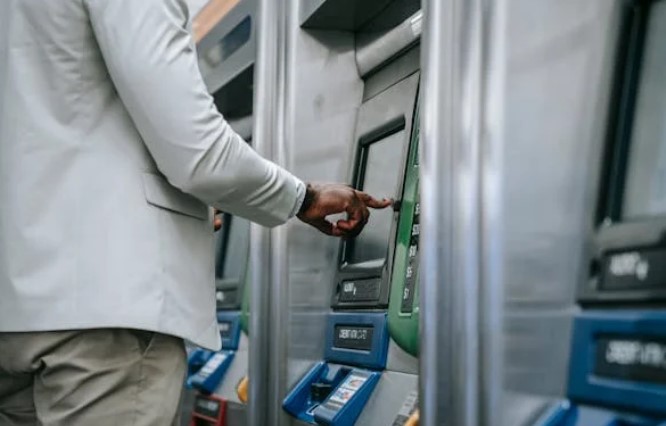
When you insert your ATM card, the machine reads the chip or magnetic stripe to identify your account.
This information does not include your balance but only links your card to your bank.
The ATM immediately connects to your bank’s network to prepare for authentication and transaction processing.
Pin verification and security check
After the card is recognised, you enter your PIN. This step is the main security barrier in ATM transactions.
The PIN is instantly encrypted within the machine and sent to your bank for verification. If it matches the records, the session continues. If it fails multiple times, the card is blocked to prevent fraud.
Bank connection and account validation
Once authentication is successful, the ATM communicates with your bank through secure financial networks.
The bank checks your account status, available balance for withdrawals, and deposit permissions, where applicable. Only approved accounts proceed to the transaction selection step.
Transaction selection and request setup
At this point, you choose whether to withdraw cash, deposit cash, or perform another service.
For withdrawal, you enter the amount you want to receive. To make a deposit, insert cash into the deposit slot after selecting the option.
The ATM sends this request to the bank for approval before continuing.
Cash withdrawal processing system
When a withdrawal is approved, the ATM activates its internal cash dispensing system.
Inside the machine, cash is stored in secure cassettes, each separated by denomination. A mechanical system selects and counts the requested amount.
After final bank confirmation, the ATM releases the cash through the dispensing slot, and your account is immediately debited in real time.
Cash deposit scanning and validation
When depositing cash, the ATM receives the notes through a secure intake slot.
The machine scans each note using sensors that check authenticity, denomination, and physical condition.
It then counts the total amount and compares it with the transaction request.
The bank receives this information instantly, and the funds are either credited immediately or marked as pending, depending on verification rules.
Transaction finalisation and update
After either a withdrawal or a deposit is completed, the ATM sends a final update to your bank’s system.
Your account balance is adjusted instantly for withdrawals or updated after validation for deposits.
This ensures both accuracy and real-time record keeping.
Receipt generation and confirmation
The ATM then produces a transaction receipt or digital confirmation.
This record includes the type of transaction, the amount processed, the time, and the updated balance. It serves as proof of the completed banking activity.
Card release and session closure
Finally, the ATM returns your card and ends the session.
If the card is not collected within a short time, the machine retracts it for safety.
The system then disconnects from the bank and resets for the next user