Advertisement
5 ways small business owners can recover after losing their stock
21st June, 2026 08:52 PM
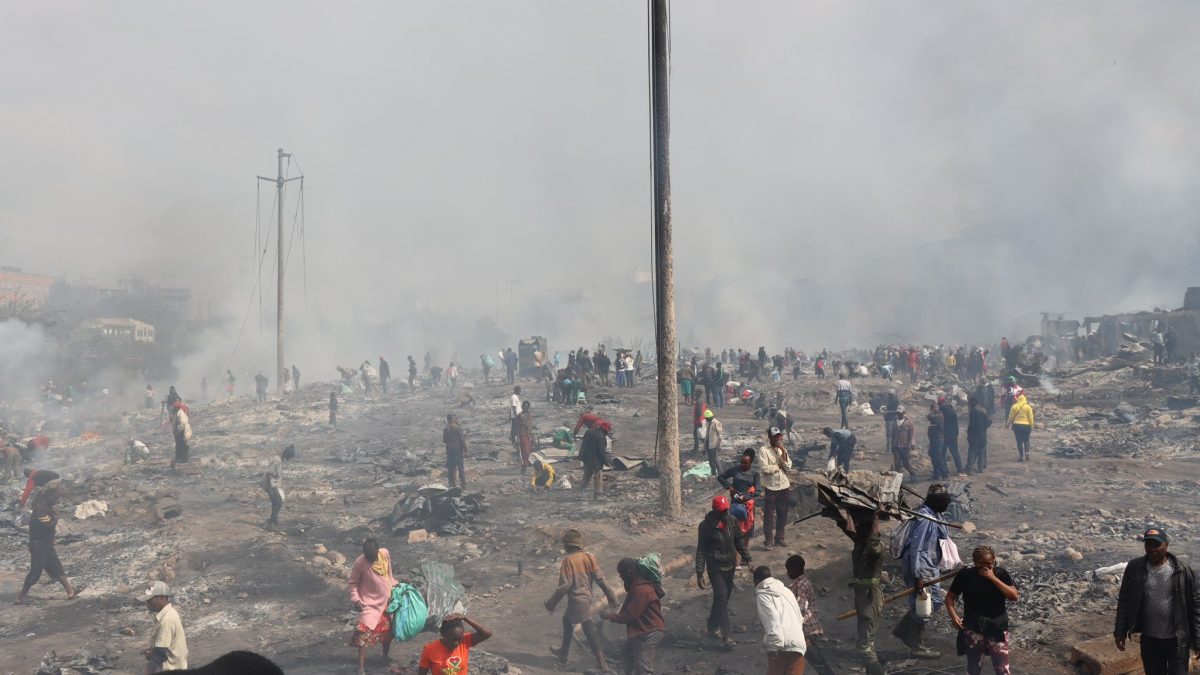
The fire that swept through Gikomba Market has left many traders facing one of the most difficult moments in their business journey. Within a matter of hours, stock worth thousands or even millions of shillings was reduced to ashes, leaving families worried about how they will earn a living and rebuild what took years to establish.
While the losses are significant, financial experts say recovery is possible when business owners focus on practical and realistic steps rather than trying to replace everything at once. The process may take time, but careful planning can help affected traders regain their footing.
Start by assessing the actual loss
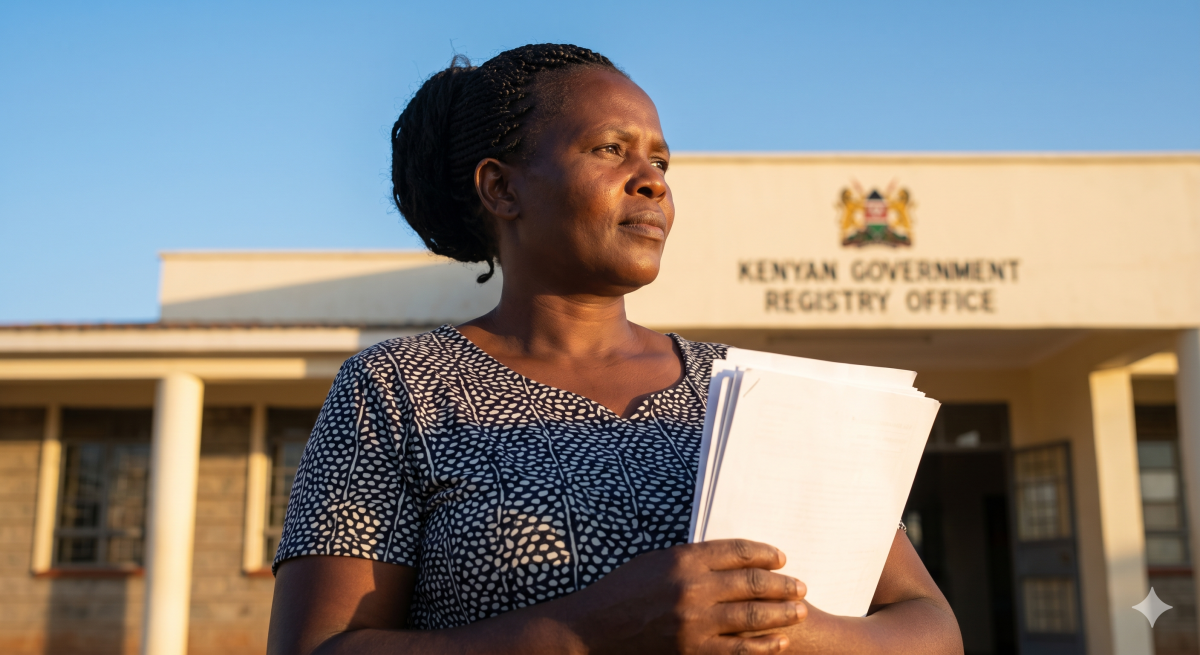
One of the first steps after a disaster is understanding the full extent of the damage. According to financial literacy guidance from the International Labour Organization (ILO), keeping a record of lost stock, equipment and business assets can help traders determine how much capital will be needed for recovery.
Creating a simple inventory of what was lost also helps when seeking assistance from government agencies, lenders or support organisations. Although emotions may be high after such an incident, having a clear picture of the losses provides a starting point for rebuilding.

Seek affordable financing options
After losing stock, many traders may feel pressured to borrow large amounts of money immediately. However, financial experts advise business owners to compare financing options carefully before taking on debt.
According to the World Bank’s small business recovery recommendations, affordable loans with manageable repayment terms are often more sustainable than high-interest borrowing. Traders can explore opportunities through savings groups, microfinance institutions, co-operative societies and government-backed business support programmes.
The goal should be to secure enough capital to restart operations without creating an additional financial burden.
Restock gradually instead of all at once
One of the biggest mistakes business owners can make after a major loss is attempting to replace everything immediately. While the desire to return to normal operations is understandable, gradual restocking can reduce financial risk.
Rebuilding inventory in stages allows entrepreneurs to monitor customer demand and manage cash flow more effectively. Starting with fast-moving products can help generate income while reducing the amount of money tied up in stock.
This approach may feel slow, but it often provides greater financial stability in the long run.
Find temporary selling spaces
Losing a business location does not necessarily mean losing customers. Many successful recoveries begin with finding temporary ways to continue trading.
Market traders can explore temporary stalls, shared selling spaces or mobile selling options while waiting for permanent solutions. Maintaining contact with customers during disruptions can help businesses preserve income and rebuild their market presence more quickly.
Even a smaller trading space can provide an opportunity to restart operations and maintain customer relationships.
Create an emergency fund for the future
Although rebuilding is the immediate priority, financial experts encourage traders to think about long-term protection once business operations resume.
According to financial education resources from the Organisation for Economic Co-operation and Development (OECD), setting aside small amounts regularly can help create an emergency fund that cushions businesses against unexpected events. Where possible, business insurance can also provide additional protection from future losses.
Recovery is a journey
The road ahead for traders affected by the Gikomba Market fire will not be easy. Rebuilding stock, restoring customer confidence and stabilising finances may take months or even years. However, by assessing losses carefully, borrowing wisely, restocking gradually, finding temporary trading spaces and planning for future emergencies, small business owners can begin the process of recovery one step at a time.