The mental health risks of content creation as a career
By Dan Kauna, July 13, 2026Every day, billions of people scroll through TikTok, YouTube, and Instagram; they laugh at comedy skits, envy luxury travel vlogs, and admire the lifestyle of their favourite online stars.
In Kenya and across the world, content creation has grown from a fun side hustle into a serious, full-time career.
But beneath the bright ring lights and flawless filters lies a demanding workplace that takes a heavy toll on mental wellness.
The pressure of one-sided friendships and algorithms
Creating digital content requires intense emotional energy. Creators often fall into what experts call parasocial relationships. This happens when thousands of followers feel like they intimately know a creator, yet the creator does not know them at all.
Managing this one-sided attachment becomes exhausting, especially when strangers feel entitled to constant access to a person’s everyday life.
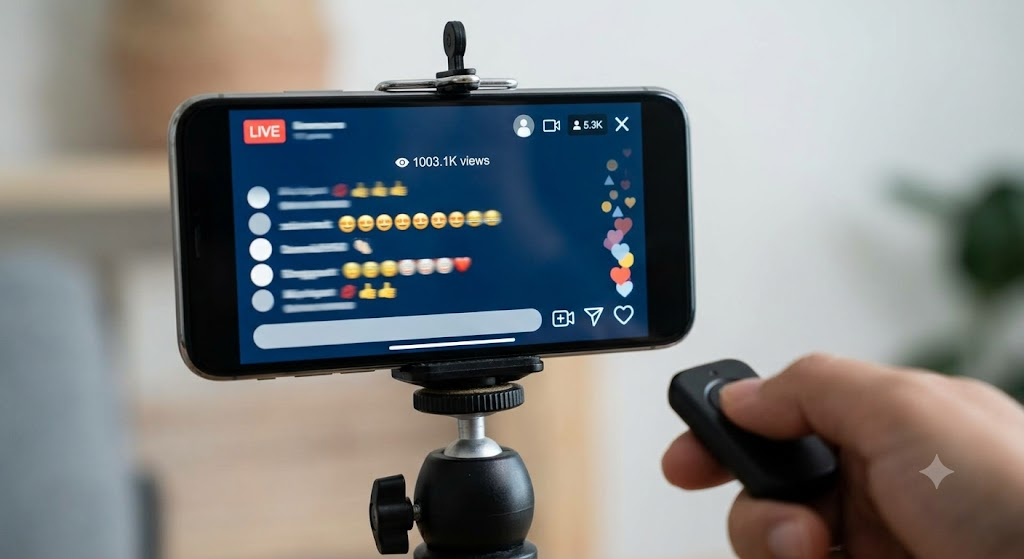
To make matters worse, the pressure to stay relevant never stops. Creators must constantly post just to please automated systems.
A peer-reviewed study published in DIGITAL HEALTH notes that “social media influencers experience unique stressors such as burnout, stress-related disorders, and reduced creativity.”
When video views suddenly drop overnight, that performance pressure quickly morphs into intense anxiety.
Volatile income and identity crises
Unlike standard jobs, the digital space does not come with a steady monthly payslip, medical cover, or paid sick leave. A creator might sign a brand campaign for Ksh50,000 this month and earn absolutely nothing the next.
This financial instability forces many to keep filming even when they are completely drained.
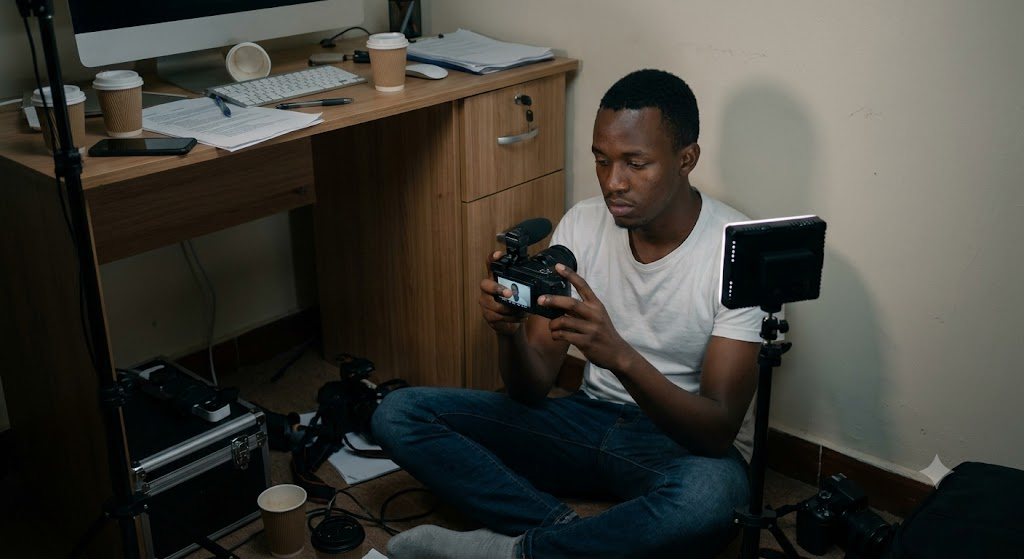
Another peer-reviewed paper on creator vulnerabilities highlights that “the precarity of their work and their need to engage in visibility labor cast long shadows on what is often portrayed as a dream job.”
The danger peaks when a person ties their entire self-worth to their online numbers. When a video underperforms, it feels like a personal failure.
Combined with harsh comments and cyberbullying, it becomes easy to lose track of who you are outside the internet. For Kenya’s growing creator economy, treating online platforms as a workplace rather than a personal identity is the first step toward staying sane.