Nyctophobia: Why some adults develop fear during sudden darkness
By Dan Kauna, July 4, 2026Many adults still feel a sudden wave of anxiety when a blackout hits and a room goes pitch black. This is not a childhood habit that someone simply forgot to drop. It is a natural human reaction hardwired into the brain.
Known as nyctophobia in its extreme form, a mild fear of the dark is actually very common. For thousands of years, early humans faced real dangers from predators at night.
Because human eyes cannot see well in the dark, the brain adapted to treat night-time as a high-risk situation, keeping the body on alert to stay alive.
The brain on high alert
When a room goes dark, a small part of the brain called the amygdala takes control. The amygdala works like a security alarm, constantly scanning the surroundings for danger.
Without light to see what is around, this system triggers stress hormones like cortisol, causing a sudden spike in anxiety.
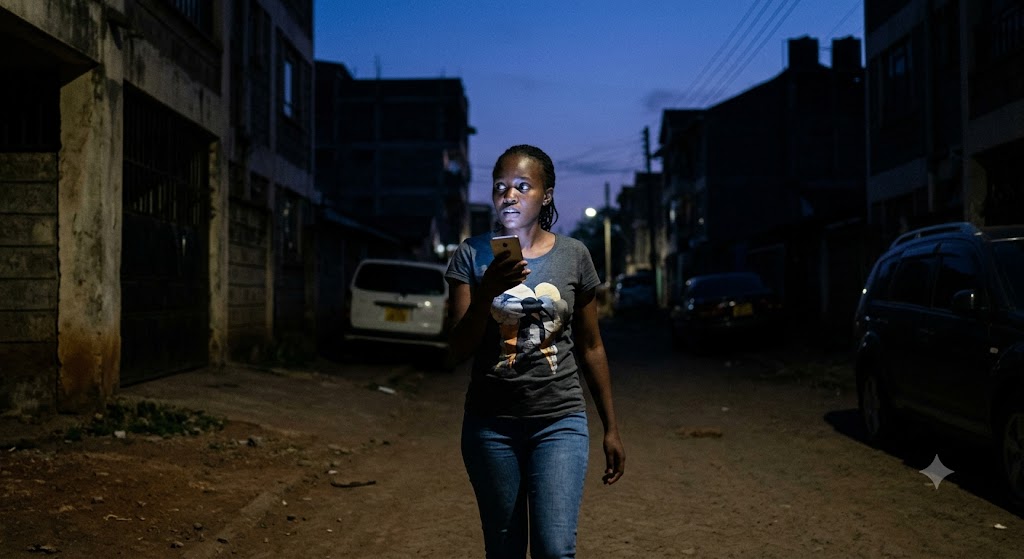
A 2021 study published in the journal PLOS ONE looked closely at how the brain reacts to these light changes. The researchers found that “light, compared with dark, suppressed activity in the amygdala.”
When the lights go out, this natural calming effect disappears. The brain’s fear centre becomes overly active, causing physical signs of stress like a racing heart or tight muscles.
How darkness disrupts sleep
This automatic alarm system can easily ruin a good night of rest. Many people blame standard insomnia for their restlessness, but psychological research shows that a hidden fear of the dark is often the real cause.
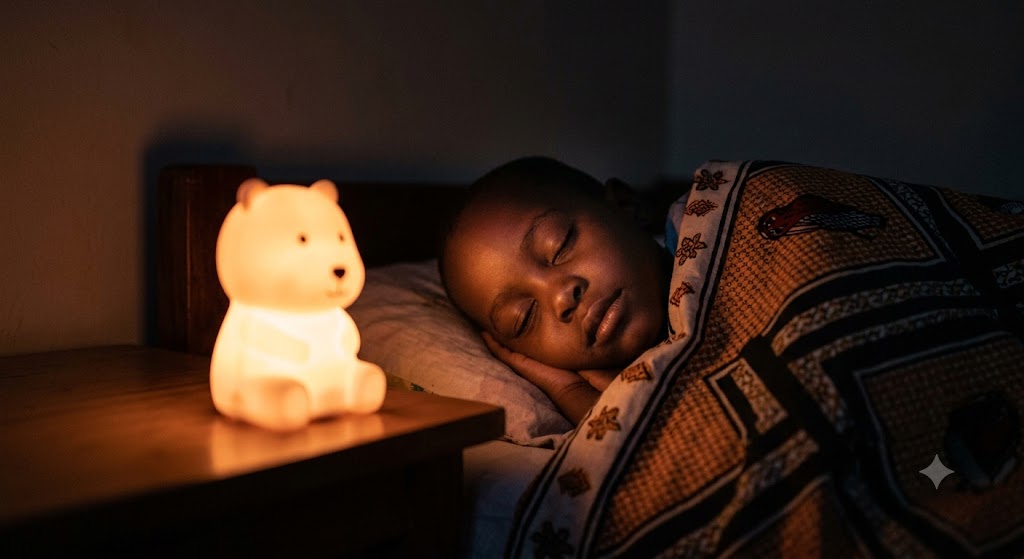
A study from Toronto Metropolitan University looked at how poor sleepers react to unexpected noises in the dark. The researchers noted that poor sleepers became increasingly jumpy as the room stayed dark, while good sleepers easily got used to the room.
Dr Colleen Carney, who led the research, pointed out that “everyone will get startled in the dark… that’s common, because we’re not night creatures.”
This constant worry means the mind stays awake looking for danger, making deep sleep difficult. Using a dim nightlight can help quiet the brain, showing it that the room remains safe until morning.