Relationship challenges of having wildly different energy levels from your partner
By Dan Kauna, June 8, 2026You’re bright-eyed, coffee in hand, curtains thrown open before 7 am. Your partner surfaces at 10 am, sluggish and scowling, and immediately asks you to please stop being so cheerful.
Sound familiar?
The morning-person-meets-night-owl pairing is one of the most common mismatches in relationships and one of the least talked about.
Unlike arguments about money or parenting, a difference in energy rhythms tends to get written off as a personality quirk rather than a genuine point of friction. But it accumulates quietly, and it can do real damage.
Researchers call it ‘chronotype incompatibility’ – the clash between two people whose internal biological clocks peak at different times of day.
And it shows up in more ways than just who wakes up first.
What the research actually shows
A study published in Frontiers in Psychology by researchers at the University of Warsaw found that “similarity in chronotype between partners and female morningness fostered relationship satisfaction in females,” suggesting that when partners share similar sleep-wake rhythms, they tend to report a more fulfilled relationship overall.
The researchers studied 91 couples and also found that chronotype differences affected sexual satisfaction, since mismatched partners often disagreed on preferred times for intimacy.
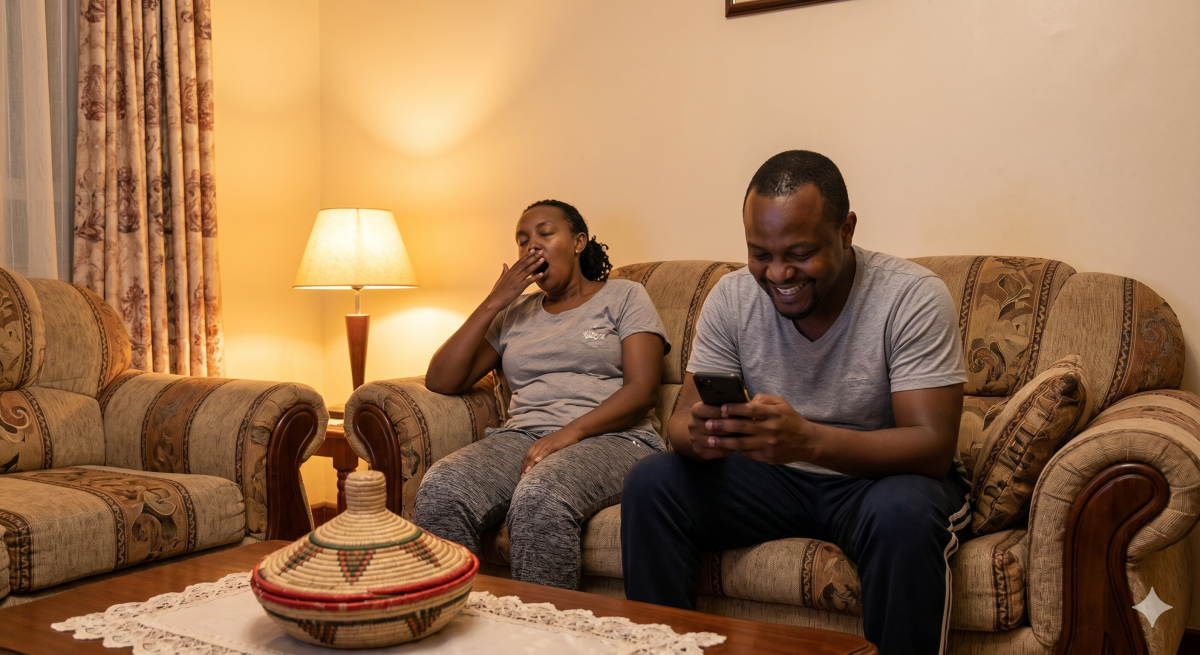
The strain goes beyond the bedroom.
Research examining 234 middle-aged couples found that “greater differences in partners’ bedtimes are linked to higher conflict frequency for both men and women, operating largely through increased emotional distance in men”.
When one partner is already asleep, and the other is still buzzing, the overlap for meaningful connection shrinks, and small resentments quietly build.
What actually helps
The good news is that chronotype incompatibility is genuinely workable, provided both partners stop treating it as a character flaw.
Start by identifying your non-negotiable overlap windows – the pockets of time when both of you are reasonably alert and present.
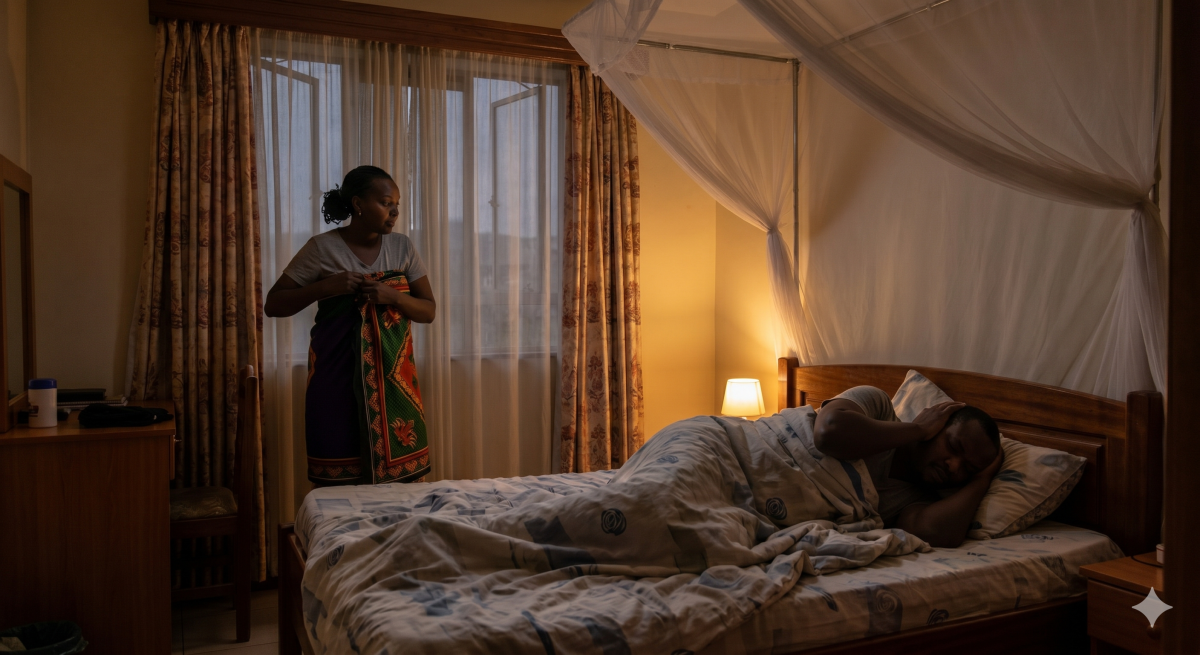
Protect those windows for the conversations and activities that matter. A Saturday morning breakfast or a quiet 9 pm wind-down can serve as anchoring rituals that give the relationship a shared rhythm even when your body clocks differ.
Next, stop framing energy differences as effort differences. The night owl is not lazy. The morning person is not trying to be irritating. Chronotype is largely biological, and approaching it with that understanding cuts the blame out of the conversation.
Finally, communicate proactively about needs rather than reactively about irritations. If the early riser needs quiet mornings and the night owl needs no pressure to sleep before midnight, say so explicitly, and build those needs into your shared routine rather than hoping the other person will eventually adjust.
Different rhythms don’t have to mean disconnection. They just require a little more intentional design.