How traditional weddings strengthen family bonds
By Cynthia Lodite, July 27, 2026Traditional weddings in Kenya are far more than a celebration for two individuals. These cultural ceremonies mark the formal union of two extended families, creating lifelong social and cultural connections.
Understanding the role of traditional rites highlights how these age-old practices continue to anchor modern family structures across the country.
In many cultures, it is an important occasion that brings together families, relatives, friends, and the wider community to celebrate love, heritage, and shared values. While customs vary from one community to another, traditional weddings often emphasise family involvement, mutual respect, and collective responsibility, helping to strengthen bonds that can last for generations.
They bring families together
One of the greatest strengths of a traditional wedding is its ability to reunite extended family members. Relatives who may not have seen each other for months or even years often gather to celebrate the occasion. These reunions provide an opportunity to reconnect, catch up, and strengthen relationships beyond the wedding day.
The shared experience of planning and celebrating together can create memories that families cherish for years.
They encourage unity
Planning a traditional wedding usually involves contributions from both families. Parents, siblings, grandparents, aunts, uncles, and cousins may all have roles to play, whether it’s organizing the ceremony, preparing food, decorating the venue, or welcoming guests.
Working toward a common goal encourages cooperation, teamwork, and mutual support, helping families feel more connected.
They preserve cultural heritage
Traditional weddings are an opportunity to pass cultural practices from one generation to the next. Through songs, dances, attire, language, rituals, and storytelling, younger family members learn about their heritage and the values that have shaped their community.
This helps children and young adults develop a stronger sense of identity and appreciation for their cultural roots.
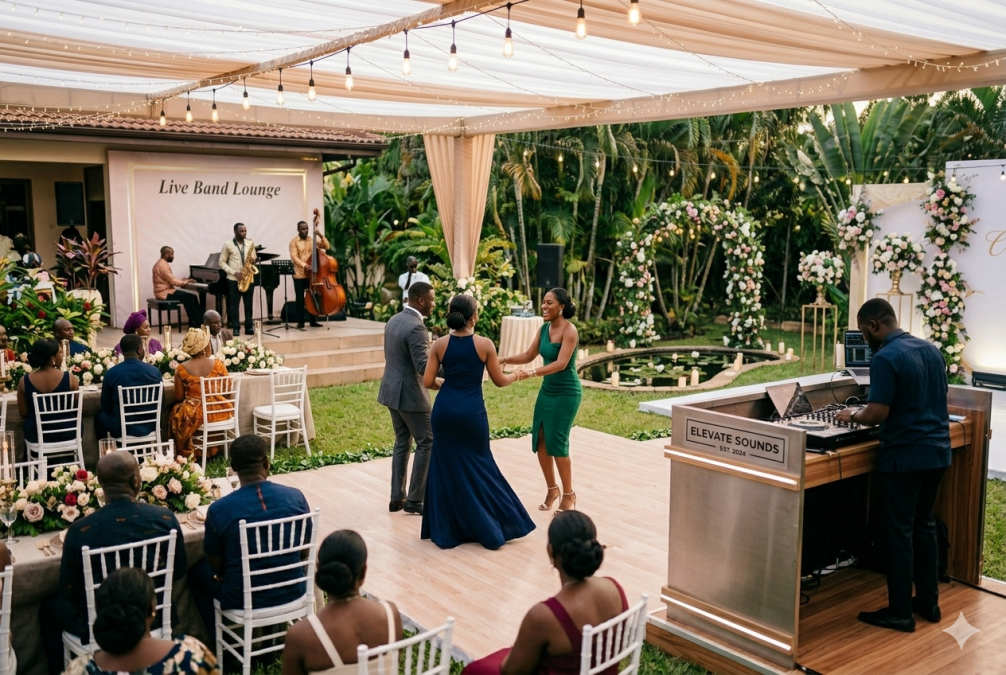
They foster respect between families
Unlike ceremonies that focus only on the couple, many traditional weddings formally introduce and unite two families. Elders often play an important role by offering blessings, guidance, and words of wisdom to the newlyweds.
These interactions help build respect, trust, and lasting relationships between both families, creating a supportive network for the couple as they begin married life.
They create lasting memories
Traditional weddings are filled with meaningful moments from cultural performances and shared meals to heartfelt speeches and family photographs. These experiences become treasured memories that families often revisit for years through stories, albums, and videos.
Celebrating together strengthens emotional connections and reinforces a sense of belonging.
They strengthen community ties
In many cultures, neighbours, friends, and community members also participate in traditional weddings. Their presence reflects the belief that strong communities are built by celebrating important milestones together.
These gatherings encourage hospitality, generosity, and mutual support, values that extend beyond the wedding itself.
They provide wisdom for the couple
Traditional weddings often include moments when elders share advice about communication, respect, patience, and partnership. While customs differ across cultures, these conversations remind couples that successful marriages require commitment, understanding, and cooperation.
The guidance offered by older generations can provide valuable perspective as the newlyweds begin their journey together.