How a father’s love shapes a man’s adult relationships
By Dan Kauna, June 15, 2026The framework for how a man handles intimacy, manages conflict, and connects with others is often drawn long before his first romantic relationship. It starts at home, specifically through the bond he shares with his father.
This relationship builds an internal map that dictates how a man treats his partner, relies on his friends, and raises his own children. When this foundational bond is secure, it creates a healthy baseline for future connections.
However, if the relationship was distant or strained, it frequently reproduces in adult life.
The hidden pattern in adult intimacy
Childhood bonds heavily dictate adult habits. When a father is emotionally available, his son grows up feeling secure. He finds it easy to open up to a partner.
On the other hand, an absent or overly harsh father can teach a son to hide his feelings.
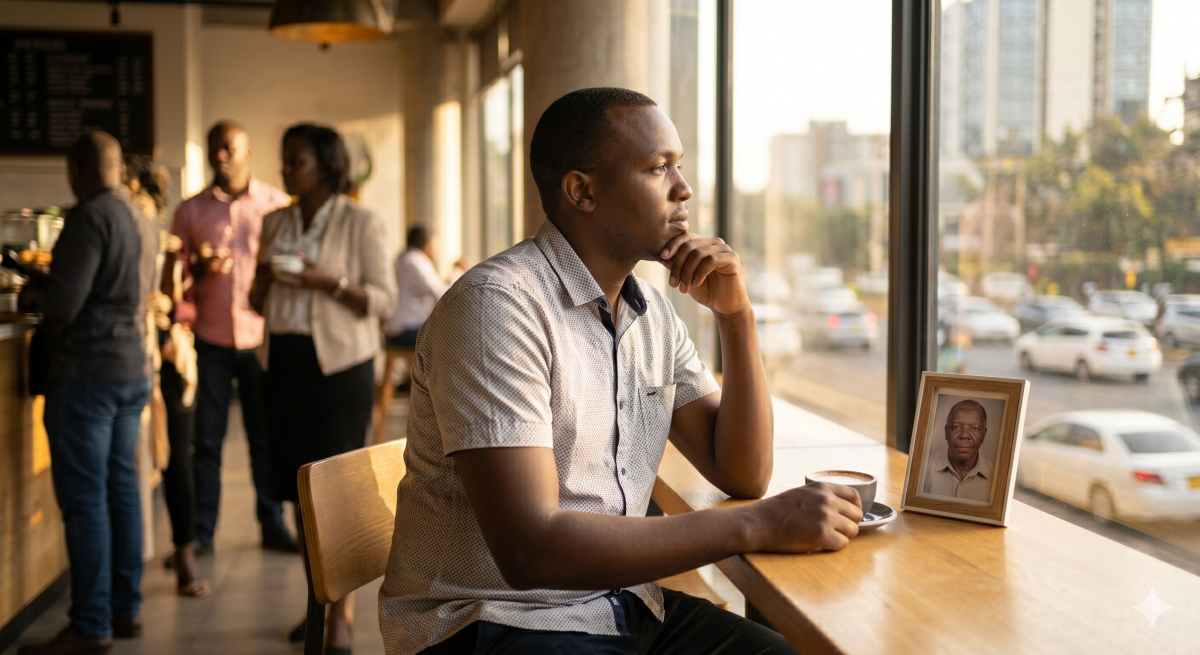
As an adult, this man might struggle with closeness, either pushing people away when things get serious or constantly worrying that his partner will leave him.
This setup also affects male friendships. Many men struggle to talk about real issues with their peers because they learned early on that opening up is unsafe. They then carry this same emotional distance into their parenting, passing down the coldness they experienced.
A study published in the journal Attachment and Human Development (2024) highlighted this lasting impact.
The researchers noted that “findings underscore the importance of fathers’ presence, autonomy support, and non-aggression in predicting short- and long-term outcomes for adolescents’ state of mind in close relationships.”
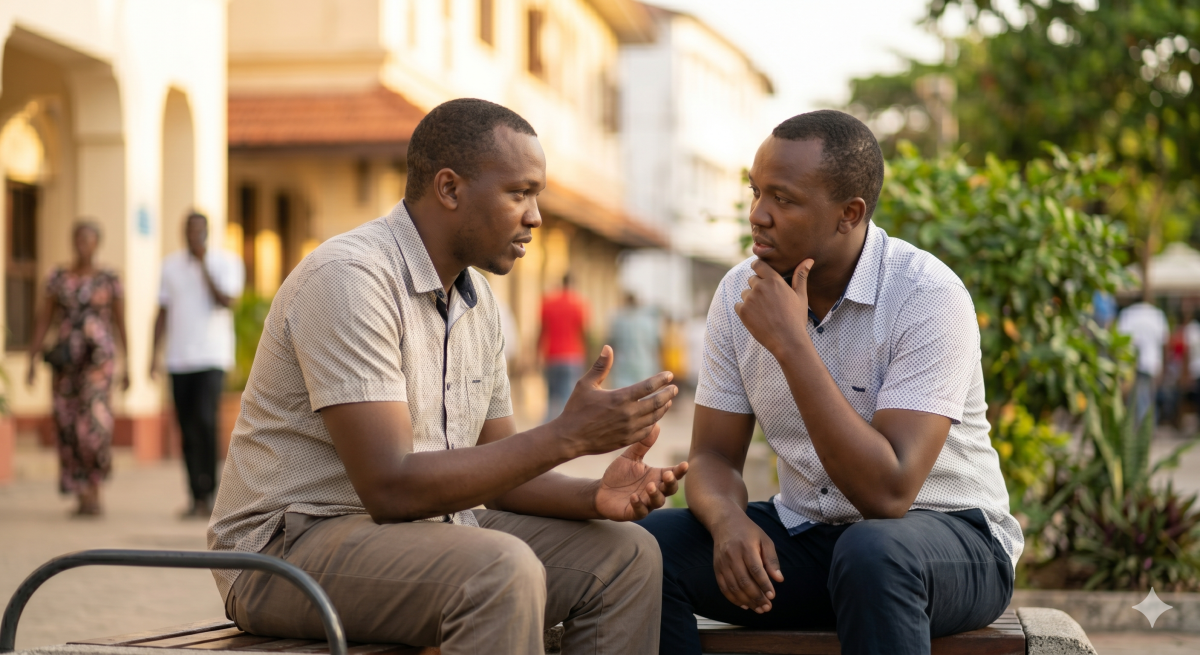
When these elements are missing, a man is more likely to carry relationship insecurity well into his adult years.
Unpacking the past for a better future
Breaking these generational habits requires honest reflection. A man must look closely at his childhood and recognise how his father’s behaviour shaped his current state.
Healing does not necessarily require the father to change or even be present. Instead, it involves the adult son consciously examining how his past influences his current behaviour.
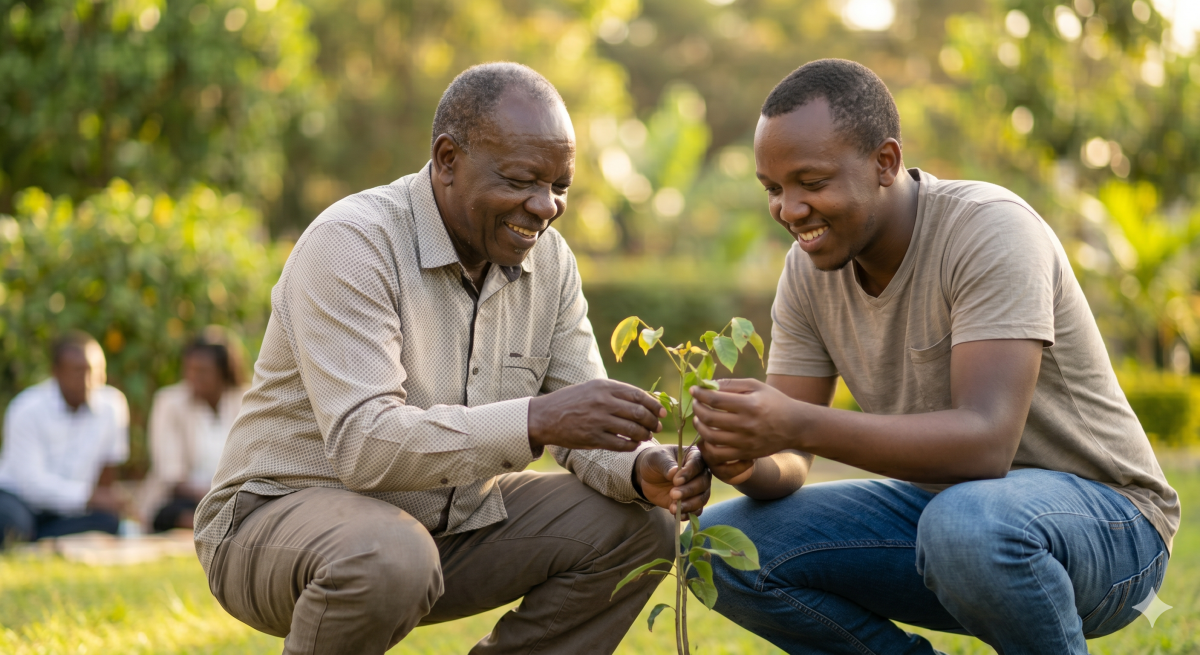
Men who actively face these childhood wounds see a massive change in their daily connections. They learn to communicate without anger, accept love from partners, and support their friends.
Ultimately, healing ensures that when these men raise their own children, they break the cycle and offer the emotional security they missed out on.