Father’s Day: Should single mothers celebrate themselves too?
By Valerian Khakayi, June 18, 2026Father’s Day, which will be observed on Sunday, June 21, 2026, is traditionally meant to honour fathers and their role in the family.
However, in many homes today, especially where fathers are absent, single mothers are left to take on both parental roles.
This reality raises an important question: should single mothers also be recognised on Father’s Day?
Single motherhood
Across many households, single mothers are not only carers but also providers, protectors, disciplinarians and emotional support systems.
They attend school meetings alone, make financial decisions, guide their children and ensure emotional stability, all while managing work and daily responsibilities. In many cases, they effectively perform both maternal and paternal roles.
For such women, parenting is not separated into “mother’s role” and “father’s role”. It becomes a full-time responsibility that requires strength, sacrifice, patience and resilience.
Many single mothers eventually find themselves stepping into roles traditionally associated with fathers, not by choice, but due to circumstance.
Some argue that Father’s Day should remain strictly for fathers in order to preserve its original meaning. Others believe parenting should be recognised based on effort, presence and responsibility rather than gender, especially where one parent is absent.
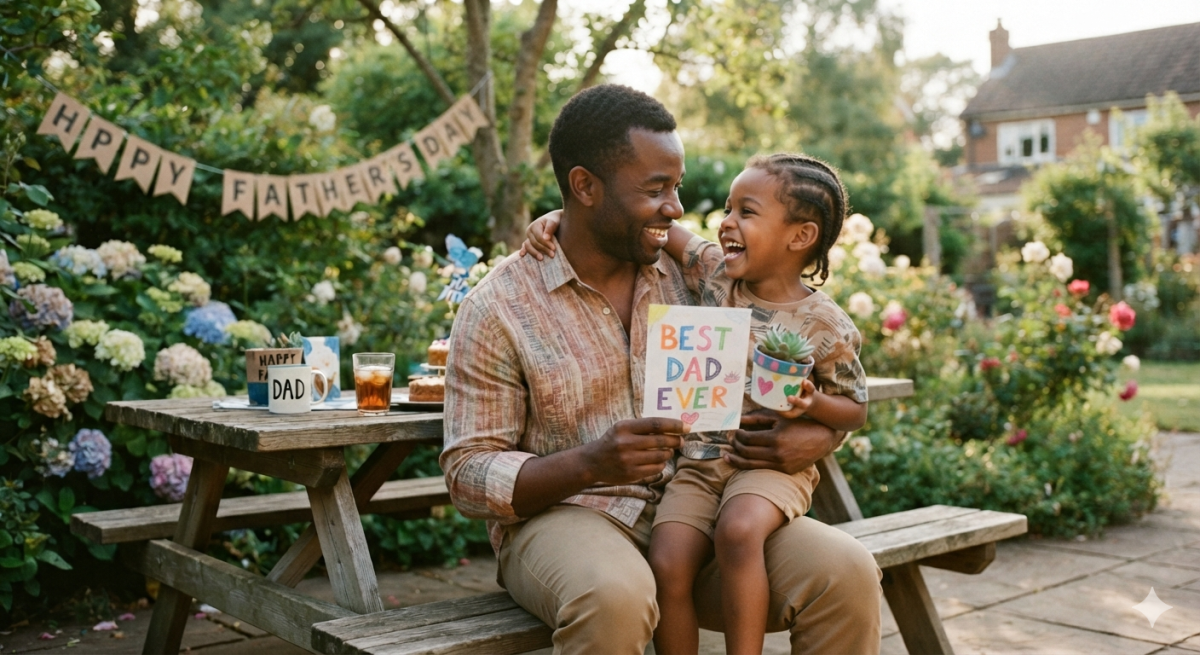
For many single mothers, Father’s Day can also bring mixed emotions. It may serve as a reminder of absence but also of how far they have come in raising their children alone. Some choose to ignore the day, while others use it to reflect quietly on their journey and sacrifices.
In some families, children raised by single mothers may choose to acknowledge their mothers on Father’s Day as a way of appreciating the dual role she plays. However, this idea remains debated, with differing views on whether the day should be redefined or kept strictly for fathers.
Experts often note that children thrive most in environments filled with love, stability and consistent care, regardless of whether it comes from one parent or two. In that sense, single mothers who take on dual roles are already filling a significant gap in their children’s lives, often without recognition.
Ultimately, whether single mothers should celebrate themselves on Father’s Day remains a personal choice. For some, it is a quiet moment of reflection. For others, it is an opportunity to acknowledge resilience, strength and the unseen labour of raising children alone.
As family structures continue to evolve, Father’s Day also continues to spark broader conversations about parenting, responsibility and recognition in modern society.