International Homeless Animals Day: How spaying and neutering combats strays
By Dan Kauna, August 15, 2026Every year on August 15, 2026, animal lovers across the world mark International Homeless Animals Day.
Take a walk through Nairobi, Mombasa, Kisumu, or any market town in Kenya, and you will likely see stray dogs and cats looking for scrap food.
Many of these animals suffer from hunger, injuries, and illness, while also raising public health concerns like rabies for local communities.
Stopping the stray problem at the root
Trying to clear strays off the street without stopping new births never works for long. The main reason stray numbers keep growing is simple: unsterilised domestic pets having litters that owners cannot care for.
When households end up with extra puppies or kittens, many are left near market stalls, busy roads, or local animal shelters.
Spaying female pets and neutering males stops this cycle before it starts. Science supports this humane approach over old habits like culling.
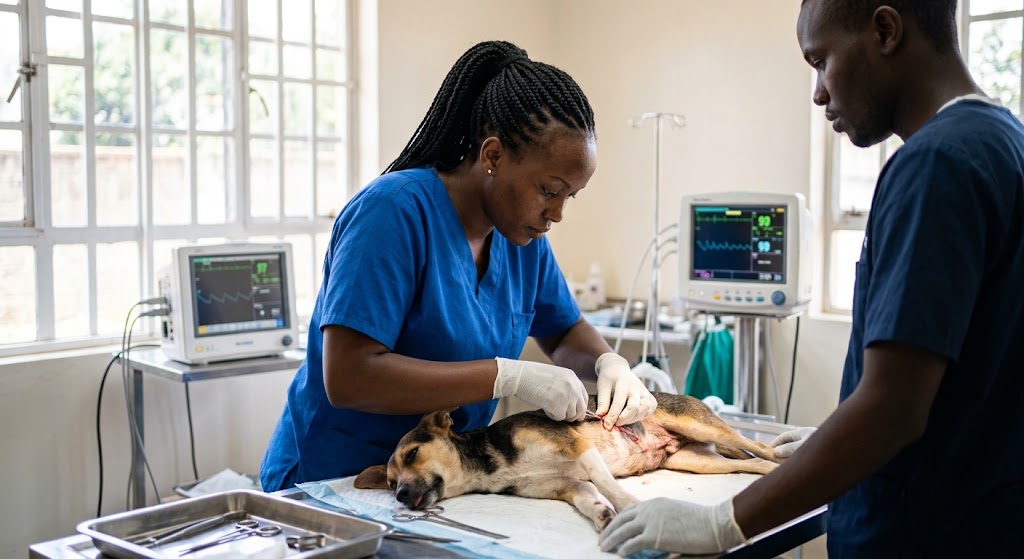
In a 2019 review on dog population management, researchers noted that “The World Health Organisation published guidelines in 1990 discouraging the use of culling and recommending alternative methods (e.g., registration and identification, vaccination, public education, and sterilisation).”
Fixing pets stops unwanted litters and reduces aggressive roaming behaviour, making neighbourhoods safer for everyone.
Adoption and pet care in Kenya
How people get their pets also matters. Buying puppies from roadside sellers or unregistered breeders keeps commercial breeding going, even while local shelters hold healthy animals waiting for homes.
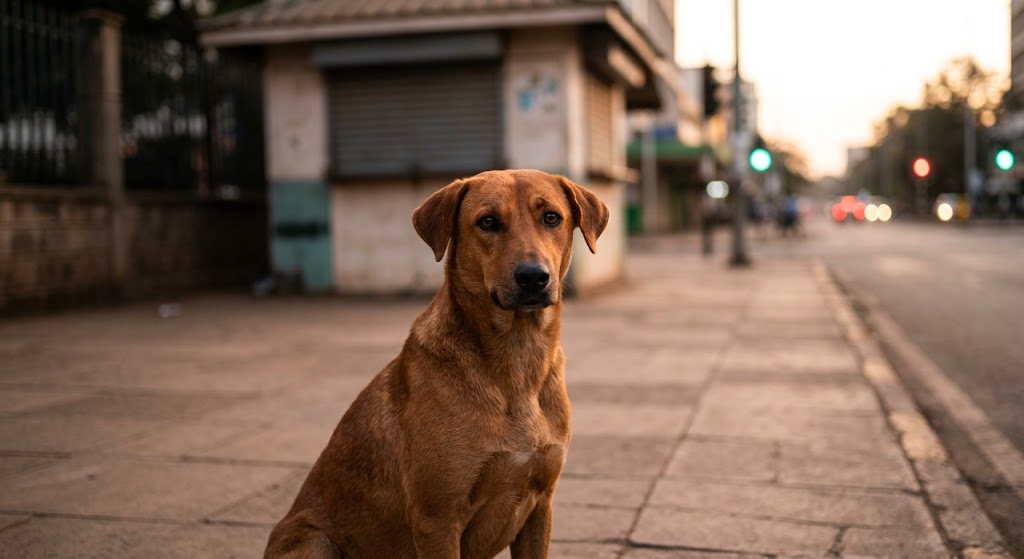
Choosing to adopt from a shelter gives a homeless dog or cat a second chance and eases the heavy load on rescue groups.
Everyday pet care makes a real difference. Keeping pets vaccinated against rabies, keeping them within compound gates, and getting them fixed early protects both animals and people.
Local veterinary clinics and animal welfare organisations across Kenya frequently offer subsidised spay and neuter clinics, bringing costs down to around Ksh2,000 to Ksh5,000.
Taking advantage of these services keeps pet populations under control and builds healthier communities across the country.