Advertisement
How to use a fire extinguisher in case of emergency
28th May, 2026 05:03 PM
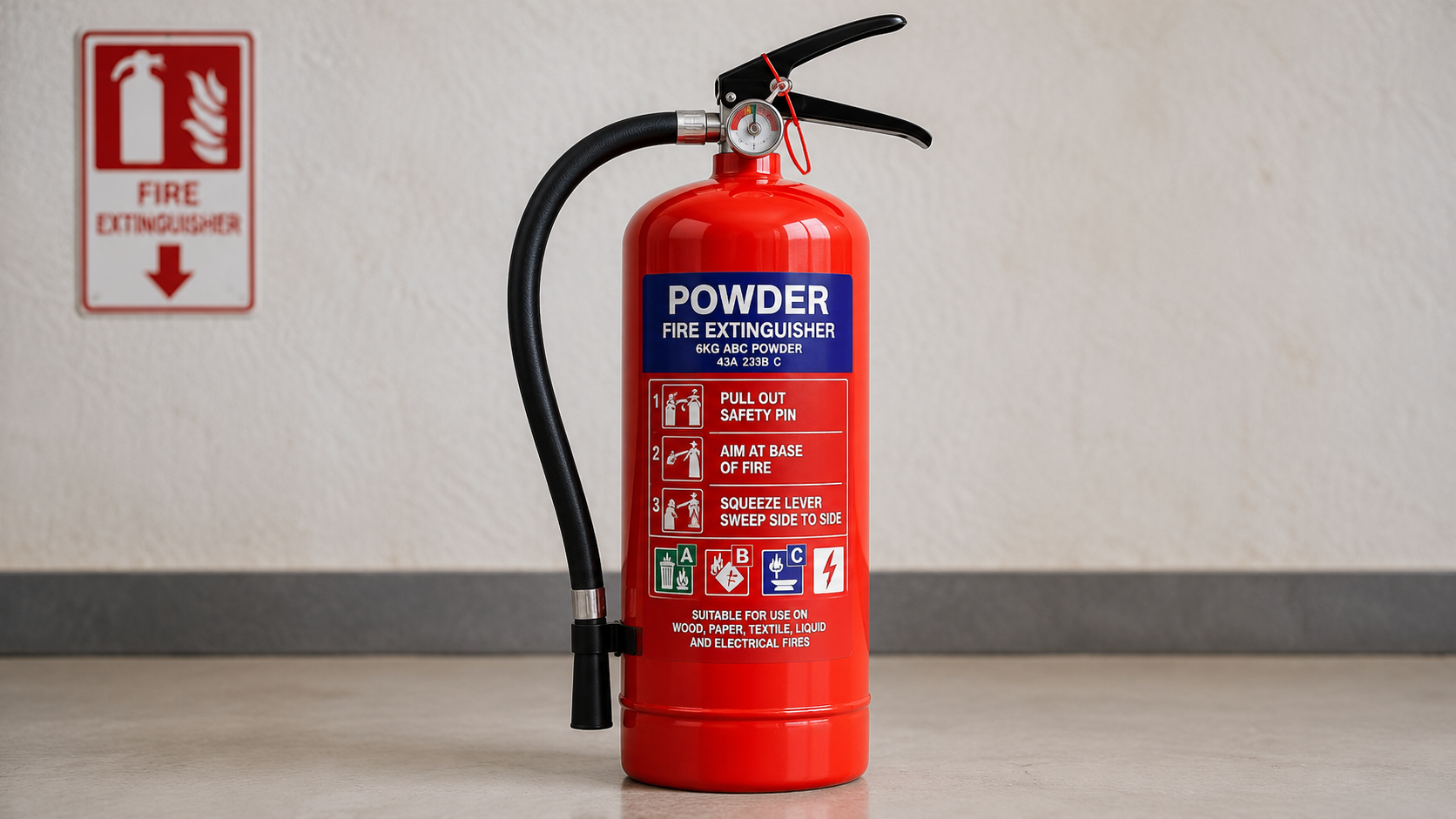
A fire extinguisher is a pressurised safety device used to control small fires before they spread.
It works by breaking the fire triangle, which depends on heat, oxygen and fuel.
When any one of these elements is removed or disrupted, the fire stops burning.
Different extinguishers use water, foam, dry chemical powder or carbon dioxide, but the operating principle remains the same.
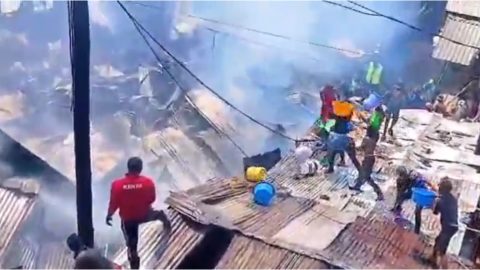
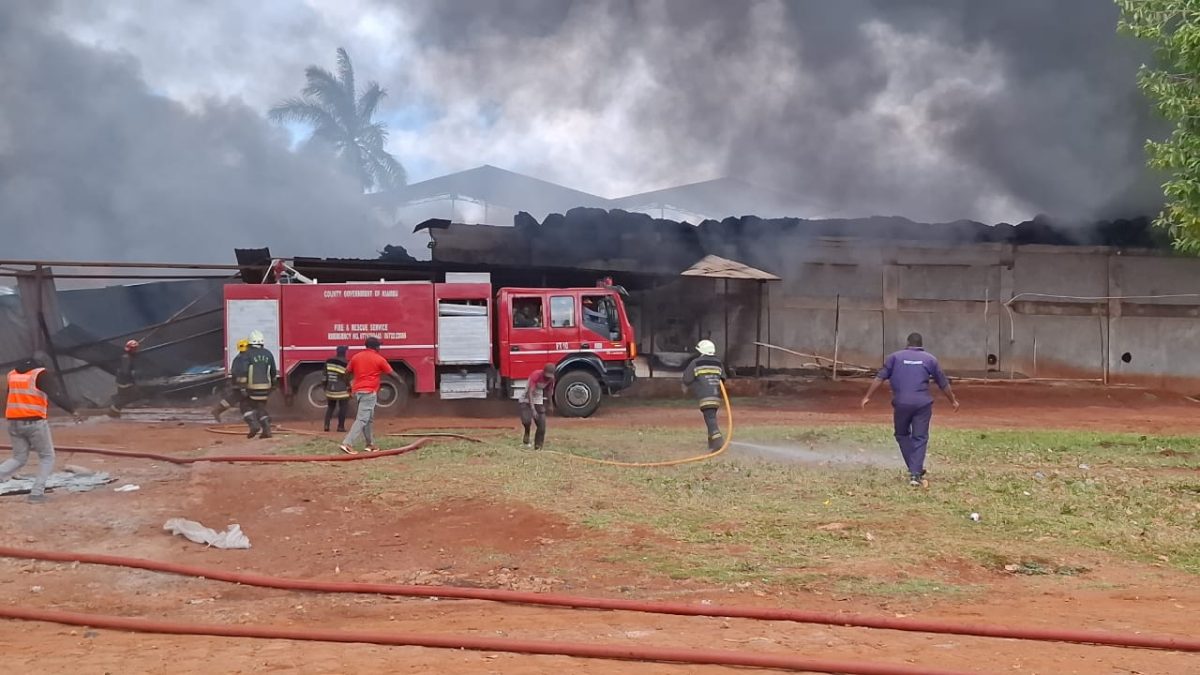
In the case of Utumishi Girls’ Academy, where an inferno left 16 dead and others injured on Thursday, May 28, 2026, the Kenya Red Cross has confirmed that at least one hundred and thirty-two students have been affected in a fire at Utumishi Girls Academy in Nakuru County.
Understanding how it works is essential because incorrect use often leads to failed fire control, especially in homes, schools and workplaces.
Step 1: Remove the safety pin
A fire extinguisher is locked using a safety pin to prevent accidental discharge.
When the pin is pulled out, the internal locking system is released, and the extinguisher becomes active.
This step allows pressure inside the cylinder to be controlled through the handle mechanism.
Without removing the pin, the extinguisher will not release any material even if the handle is pressed, which is a common mistake during emergencies.
Step 2: Aim at the base of the fire
Correct targeting is critical. The nozzle must be directed at the base of the flames where the fuel is located, not at the top of the fire.
Spraying the upper flames does not stop combustion because the burning source remains active at the bottom.
Fire safety experts stress that poor aiming reduces effectiveness and allows the fire to continue spreading even after discharge begins.
Step 3: Pressing the handle
Once the safety pin is removed and the nozzle is aimed correctly, pressing the handle activates the internal valve.
This opens the sealed cylinder and releases the extinguishing agent under high pressure.
Inside the extinguisher, gases such as nitrogen or carbon dioxide keep the contents pressurised.
When the valve opens, this pressure forces the agent through the hose and out of the nozzle in a controlled stream.
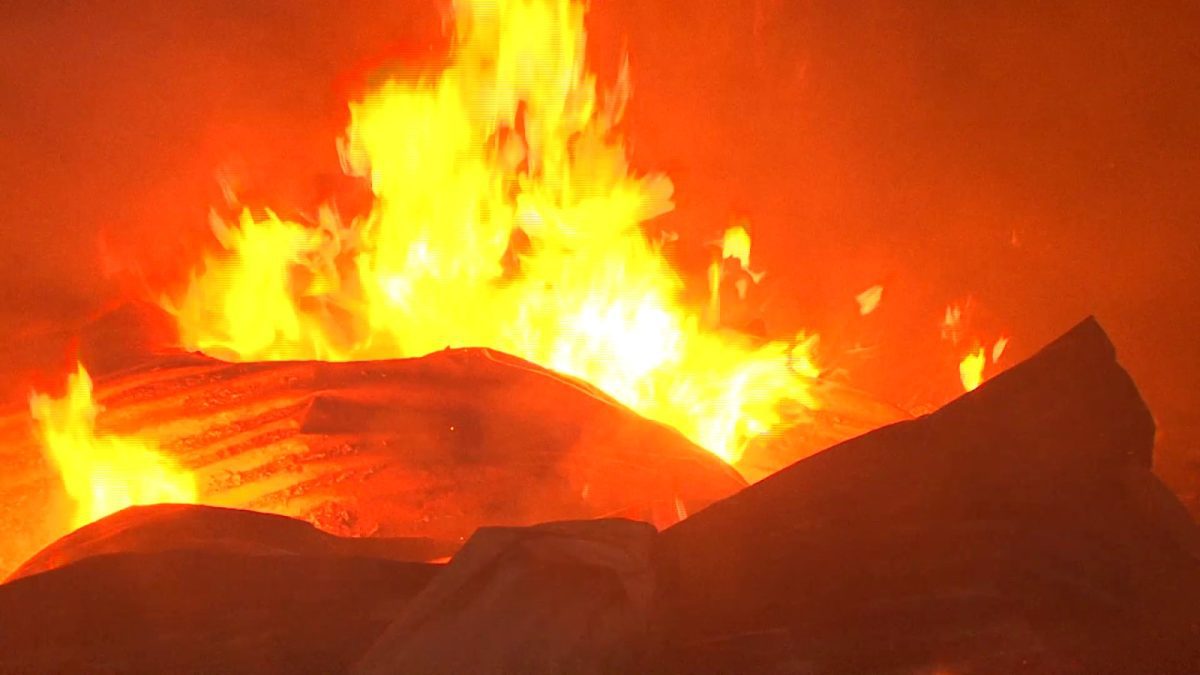
Step 4: Release of extinguishing agents
The substance released depends on the type of extinguisher.
Dry chemical powder, carbon dioxide gas, foam or water mist may be used depending on the fire type
Each agent is designed to interrupt the burning process in a different way, driven by stored internal pressure.
How is fire stopped
Fire continues only when heat, oxygen, and fuel are present simultaneously. Extinguishers work by disrupting this balance.
Dry chemical powder extinguishers work by coating the fuel and breaking the chemical chain reaction that sustains flames.
This prevents combustion from continuing even when heat and fuel are still present.
Carbon dioxide extinguishers remove oxygen around the fire and cool the area rapidly as the gas expands.
Without oxygen, the fire cannot sustain itself and goes out almost immediately.
Foam extinguishers work by forming a barrier over the fuel surface, blocking oxygen while also cooling the burning material.
This prevents reignition and helps control liquid fuel fires effectively.
Sweeping motion during use
Extinguishing should not be focused on one point. The nozzle should be moved in a steady side-to-side motion across the base of the fire.

This ensures the agent fully covers the burning area and reduces the chance of the fire reigniting after initial suppression.
Monitoring after extinguishing
Even after visible flames disappear, heat pockets may still exist.
These hidden hot spots can restart the fire if left unattended. Continuous monitoring is necessary until the area is confirmed safe.
If the fire resumes or spreads again, evacuation should take priority and emergency services should be contacted immediately.
Conclusion
A fire extinguisher works by interrupting the fire triangle through cooling, oxygen removal or chemical suppression.
Proper use depends on simple but critical steps such as unlocking the pin, aiming at the base, controlled discharge and thorough coverage of the fire source.
A correct understanding of this process improves emergency response and can prevent small fires from turning into major disasters in homes, schools, and workplaces.