How flying affects your body and how to reduce fatigue
By Cynthia Lodite, July 31, 2026Boarding a plane for a local trip to Mombasa or an international flight to Dubai often brings excitement, but your body goes through noticeable physical stress once the aircraft climbs into the sky.
Many travellers land feeling drained, lightheaded, and sore without understanding why air travel takes such a heavy toll on their health.
What air travel does to your system
Commercial aircraft cruise at high altitudes where ambient air is extremely thin. While cabin pressurisation keeps passengers safe, the internal air pressure remains equivalent to standing atop a high mountain. This reduced pressure slightly lowers blood oxygen saturation, making you feel drowsy and prone to lingering headaches.
At the same time, air drawn into the cabin from outside contains very little moisture. Humidity levels inside an aircraft frequently drop below 20 per cent, which is drier than many deserts.
This low humidity quickly dehydrates your skin, parches your mouth, and causes eye irritation.
Physical movement also drops to zero during long periods in a tight airplane seat. Prolonged sitting slows blood circulation, encouraging fluid to pool in your legs, ankles, and feet.
Digestion slows down at high altitudes as well, and lower cabin pressure causes natural gases inside your digestive tract to expand, leaving you bloated and uncomfortable.
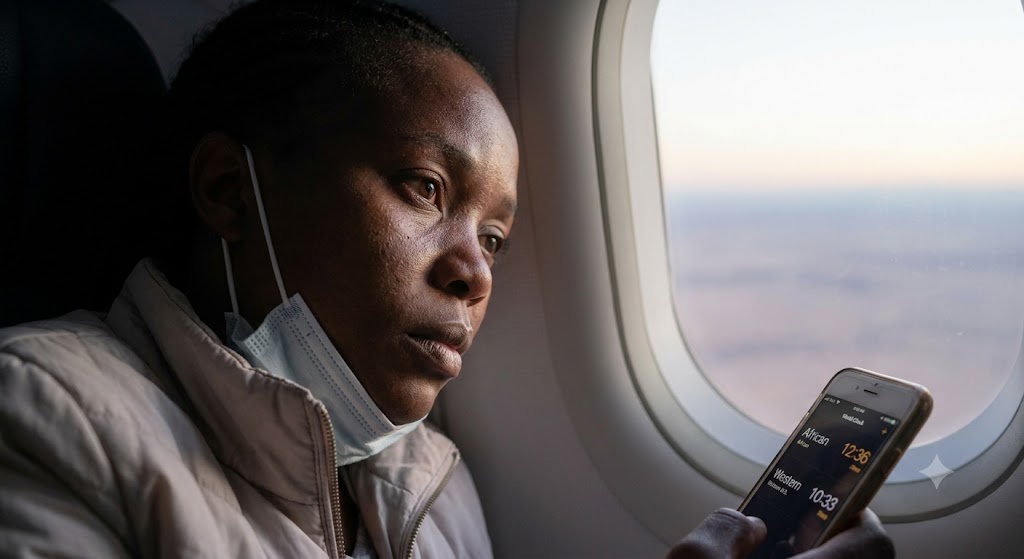
Practical steps to beat flight exhaustion
Beating flight fatigue requires simple actions before, during, and after your journey to protect your body against cabin conditions.
Hydration remains the most effective defence against air travel exhaustion. Drinking plain water regularly throughout the journey counteracts dry cabin air. Passengers should skip alcohol and excessive coffee before boarding, as both drinks act as diuretics and accelerate dehydration.
Maintaining blood flow is equally vital for energy levels. Getting out of your seat to walk the aisle every hour keeps blood circulating and prevents swelling in the lower limbs. Sitting passengers can flex their feet and raise their calves periodically to encourage blood flow.
Eating light meals before takeoff also protects digestion. Avoiding heavy, salty, or carbonated foods reduces stomach bloating and wind. Adjusting your sleeping times slightly prior to travel further helps your body clock align with your target time zone, ensuring you arrive refreshed and ready.