Landlords’ habits that silently anger tenants in Kenya
By David Nthua, April 24, 2026Renting a home should be a straightforward exchange. A tenant pays on time, respects the property and expects fair treatment in return.
Yet across many estates, frustrations often come not from neighbours or house size, but from habits that slowly damage the landlord-tenant relationship.
Most tenants do not want conflict. They want peace, working utilities and clear communication. But when certain patterns repeat, resentment grows quietly.
Deposit promises
For many renters, moving into a bedsitter or one-bedroom house begins with paying rent plus a deposit.
If the monthly rent is Ksh7,500, the deposit may also be Ksh7,500, usually with the promise that it will be refunded when the tenant gives proper notice and leaves the house in good condition.

That sounds fair in theory. In practice, many tenants say refunds become a struggle.
Some are hit with vague charges for painting, damage never explained, or mysterious deductions introduced at the end. Others are delayed for weeks or ignored completely.
A deposit should be transparent, not a trap. Clear records, inspection notes and written terms help avoid disputes.
Inflated bills
Water and electricity bills are another common source of tension. In some apartments, especially where there is no separate KPLC token meter, tenants depend on landlord-issued billing.
This can create suspicion when charges rise suddenly without explanation. Tenants may feel they are paying more than actual usage, while having no easy way to verify the numbers.
Fair billing builds trust. Itemised statements and proper metering reduce unnecessary conflict.
Too much control
Some landlords treat adult tenants like children who must constantly be monitored.
Every visitor is questioned, every small change is criticised, and personal routines become a topic of control.
While landlords have a right to protect their property, tenants also deserve privacy and dignity in the homes they pay for. Excessive micromanagement can make even a good house feel uncomfortable.
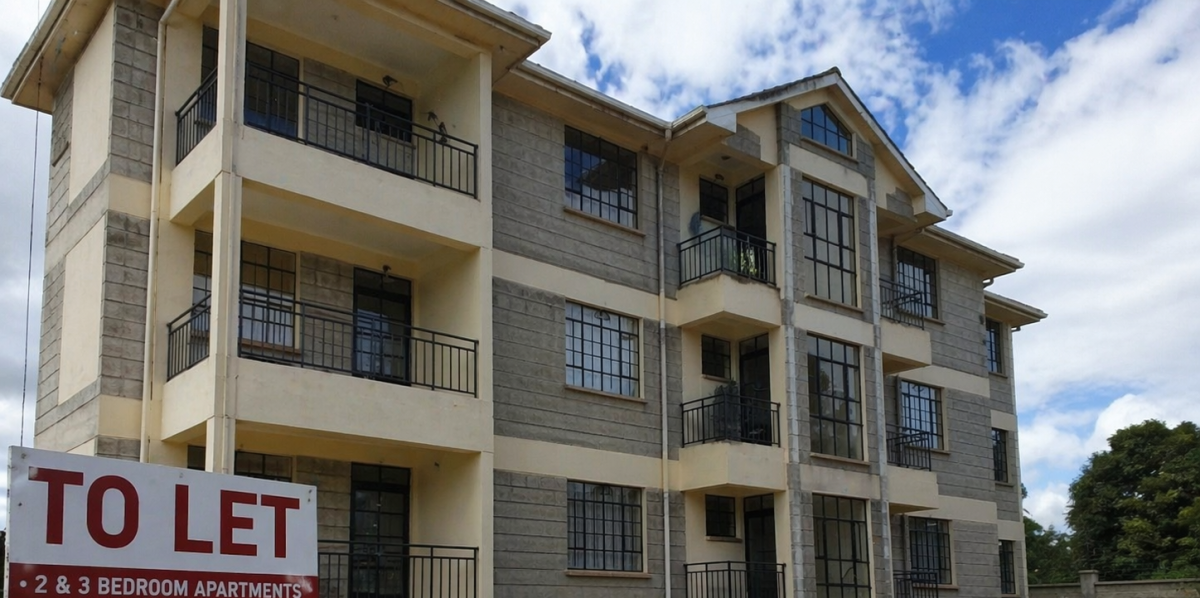
The healthiest rental relationships are based on boundaries, respect and communication.
Ignoring drainage problems
Drainage issues can turn daily life miserable very quickly. Blocked pipes, leaking sewage lines and foul smells outside the house affect hygiene, comfort and health.
Yet some landlords immediately blame tenants for every drainage problem, even when the issue is old infrastructure or poor maintenance.
In some cases, residents wait days or even weeks before repairs are handled.
Prompt repairs matter because sanitation problems rarely fix themselves.
They usually become worse and more expensive over time.
A good landlord does not need to be perfect. They simply need to be fair, responsive and professional.
For many Kenyans, that alone would solve half the rental stress they face.