Advertisement
Jina hutaki? How to spot a beer lover who is heavily drunk
15th May, 2026 11:13 AM
For many people, alcohol begins as harmless fun.
One bottle becomes two, laughter becomes louder, and suddenly somebody who was speaking perfect English five minutes ago is now talking like a slow-moving radio signal from another planet.
Drunkenness is something most adults have either witnessed, experienced, or heard stories about.
Yet behind the funny moments and nightlife jokes, science shows that alcohol significantly affects the body systems, including bladder control.
According to the World Health Organization and the U.S. National Institute on Alcohol Abuse and Alcoholism, alcohol slows communication between the brain and body.
The more alcohol a person consumes, the harder it becomes for the brain to coordinate normal behaviour.
That is why heavily drunk people often display very recognizable signs.
Slow-motion talking and confusing stories
One of the earliest signs of heavy intoxication is unusual speech.

Some people begin repeating the same sentence many times.
Others suddenly become emotional philosophers discussing life, politics, heartbreak, or football with extreme confidence despite struggling to pronounce simple words.
Alcohol affects areas of the brain responsible for speech, memory, and judgment. This is why drunk people may:
- Speak slowly
- Slur words
- Forget what they were saying midway
- Talk excessively loudly
- Mix languages strangely
- Laugh at things that are not even funny
In many Kenyan social settings, friends can quickly tell somebody is heavily drunk when they start speaking in dramatic slow motion while insisting they are “completely sober.”
Ironically, the drunker a person becomes, the more convinced they often feel that they are speaking perfectly.
Lack of balance and strange walking styles
Another major sign of heavy drunkenness is poor balance.
Alcohol interferes with the cerebellum, the part of the brain that controls coordination and movement.
As alcohol levels rise, walking can slowly transform into a survival challenge.
Some people:
- Walk sideways
- Stumble repeatedly
- Miss chairs while sitting
- Hold walls for support
- Dance without music
- Stand confidently but fall unexpectedly
This explains why some heavily drunk individuals suddenly become very friendly with walls, poles, gates, tables, and even strangers standing nearby.
Scientists say alcohol weakens muscle coordination and slows reaction time, making even simple movements difficult.

That is also why drunk driving is extremely dangerous.
A person may feel confident behind the wheel while their brain is already reacting slower than normal.
The famous “I am okay” stage
Many heavily drunk people enter what friends jokingly call the “I am okay” stage.
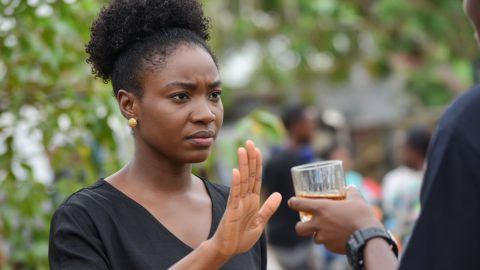
This is when somebody who can barely stand begins insisting they are completely fine.
Alcohol affects judgment and self awareness, meaning the brain struggles to accurately assess its own condition.
This often leads to:
- Overconfidence
- Risky behavior
- Loud arguments
- Emotional outbursts
- Calling ex partners late at night
- Attempting impossible dance moves
Experts say this reduced self control is one reason alcohol related accidents, fights, and injuries increase in nightlife environments.
Urinating on themselves
One of the more embarrassing signs of severe intoxication is loss of bladder control.
Alcohol increases urine production while simultaneously reducing awareness and body coordination.
A heavily drunk person may fail to recognize the urge to urinate early enough or may become too disoriented to reach the toilet properly.
This is why some people accidentally wet themselves, beds, couches, or even chairs after excessive drinking.
Extreme intoxication may also cause vomiting, dizziness, confusion, or complete blackouts where a person later remembers nothing that happened.
Why some people get drunk faster than others
Not all drinkers react the same way.
Body size, age, gender, food intake, medication, health conditions, and drinking speed all affect how alcohol behaves inside the body.
Someone drinking on an empty stomach may become intoxicated much faster than another person consuming the same amount after eating.
Tolerance also differs. Some experienced drinkers may appear “normal” despite high alcohol levels, though their brain and body are still impaired.