Inside Kenya’s football jersey market: How buyers get misled
By David Nthua, May 5, 2026Football jerseys have become part of everyday fashion in Kenya. You will see them in estates, campuses, biashara streets, even offices on casual days.
From Manchester United to Arsenal and Real Madrid, demand is always high.
But behind that demand is a problem many buyers only realise later.
A large number of Kenyans are paying for “original” jerseys, only to discover months later that what they bought was fake.
The disappointment usually comes slowly. Logos start peeling. Names fade. The material loses shape. By then, the money is already gone.
Why many people get conned
The biggest issue is confusion.
Most sellers use the word “original” loosely. In reality, there are three categories. Authentic jerseys, official replicas, and counterfeits.
Authentic or official jerseys are made by brands like Nike, Adidas, or Puma. These are licensed and follow strict quality standards.
Then there are fake jerseys. These are copies made to look like the real thing but with cheaper materials and poor finishing.
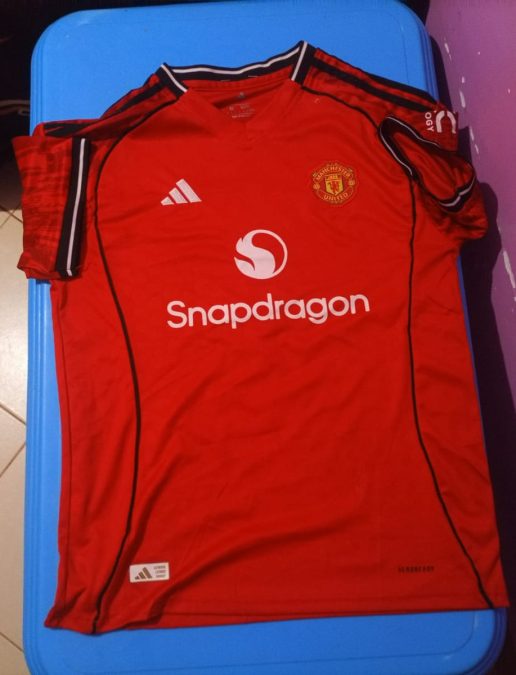
The problem is that many fake jerseys are sold at prices that make them seem genuine.
The price trap
Price is often the first sign, but also the easiest way to mislead buyers.
In Kenya, a proper original or high quality replica jersey will typically cost around KSh 1,000 to KSh 1,500 or more. Anything far below that should raise questions.
But even at KSh 1,500, people still get conned. Sellers know that buyers associate higher price with quality, so they price fakes just high enough to appear legitimate.
That is why price alone is not enough.
What really happens after you buy
At first, the jersey looks perfect.
The colours are sharp. The badge looks clean. The name and number appear well printed.
But after a few washes or weeks of wearing, the problems start showing.
Logos begin to peel off or crack. Names fade or develop lines. The fabric becomes rough or loses its shape.
This happens because fake jerseys use low quality materials and weak printing methods. In contrast, authentic jerseys are designed to be durable, breathable, and long lasting.
How to spot an original jersey
You do not need to be an expert to tell the difference. A few simple checks can save you money.
Start with the fabric. Original jerseys feel light, smooth, and breathable.

Fake ones often feel rough, heavy, or too shiny.
Check the stitching. Real jerseys have clean, even stitching with no loose threads. Fakes usually have uneven seams or rough finishing.
Look at the logo and badge. On an original jersey, the badge is sharp, well aligned, and firmly attached. Fake ones may have crooked logos or poor quality printing that peels over time.
Also check the tags. Authentic jerseys come with proper labels, barcodes, and sometimes holograms. Missing or poorly printed tags are a red flag.
Finally, compare with official images online. Even small differences in colour, font, or spacing can indicate a fake.
Why the problem persists
The demand for jerseys in Kenya is high, and many buyers are looking for affordable options.
This creates a market where sellers can easily pass off fakes as originals.
At the same time, counterfeit products have become more convincing. Some look almost identical at first glance, making it harder for buyers to tell the difference.
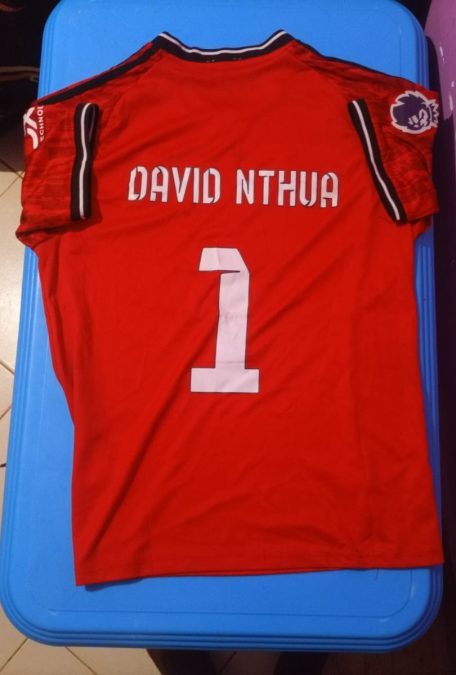
A smarter way to buy
The safest approach is to buy from trusted shops or verified sellers. Avoid rushing into deals that seem too good or too convenient.
Take a few minutes to inspect the jersey. Feel the fabric. Check the details. Ask questions.
Because in the end, what looks like a good deal can turn into a loss.
The bottom line
Football jerseys are more than just clothing. They represent loyalty, identity, and passion for the game.
But that should not come at the cost of being misled.
With a bit of awareness, buyers can avoid fakes, protect their money, and get value for what they pay.