Advertisement
How to tell if the honey you bought is fake
19th May, 2026 01:29 PM

Honey has long been a trusted staple in many Kenyan households. It is added to tea, used to soothe sore throats, and often chosen as a natural replacement for sugar. Pure honey should contain no added ingredients, yet honey adulteration remains a growing concern globally.
Honey must not have any ingredient added to it, including food additives, nor should any other addition be made other than honey. This explains why many jars sold as “pure honey” may not meet that standard.
For many consumers, spotting the difference is difficult because fake honey is often packaged professionally and marketed as natural. Research published by the European Commission has shown that honey is among the oldest food products in international markets, often mixed with sugar syrups to increase profits.
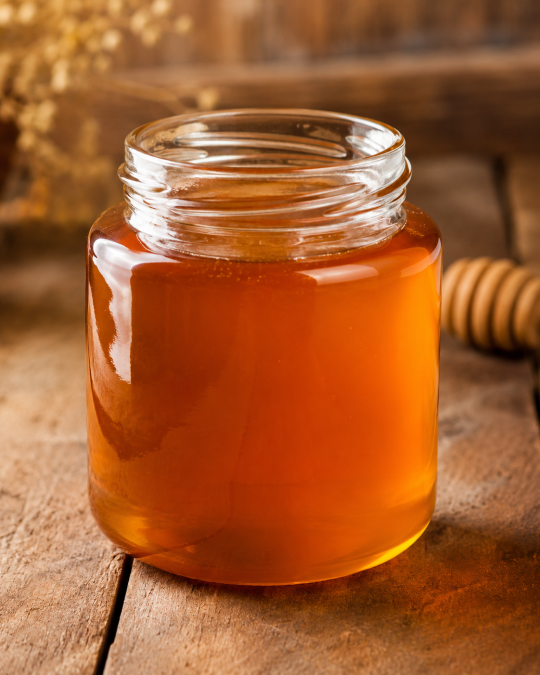
Simple signs that reveal fake honey
One of the clearest signs of real honey is crystallisation. According to findings shared by the National Centre for Biotechnology Information, crystallisation is a natural process caused by glucose separating from water over time. This means honey turning grainy or thicker is often a positive sign rather than proof that it has gone bad.
Another simple check is the water test. Food quality studies referenced by the Food and Agriculture Organisation explained that pure honey is denser and usually settles at the bottom of water before dissolving slowly, while diluted honey disperses quickly.
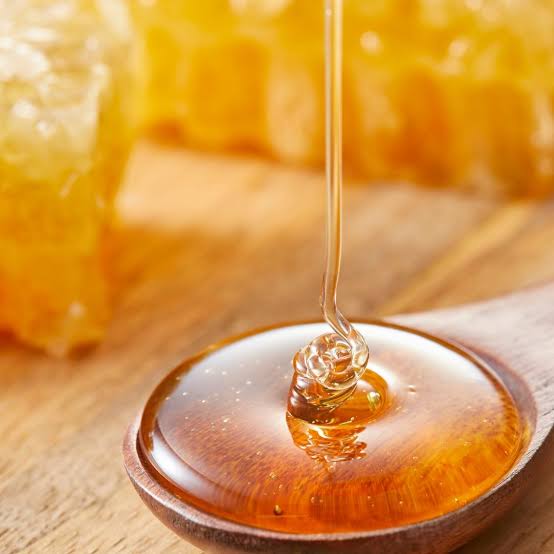
Texture also matters. Real honey flows slowly and has a heavier consistency. If it pours too fast or appears overly runny, it may contain excess moisture or added syrups.
Taste can also reveal a lot. Authentic honey carries floral, woody or herbal notes depending on where bees collected nectar. Genuine honey has complex flavour profiles that vary by region and season, while adulterated honey often tastes uniformly sweet.
Why it matters for Kenyan homes
Buying fake honey is not just about spending money on a poor product. According to nutrition research , natural honey contains antioxidants, enzymes, and antibacterial compounds that processed imitations often lack.
Kenya has strong honey-producing regions, including Baringo, Kitui and parts of Mount Kenya, where local beekeepers produce raw honey with distinct natural flavours.
The truth is that if every jar tastes the same, many consumers may never have experienced real honey.