Advertisement
How to survive Nairobi traffic jam without arriving at work already exhausted
07th May, 2026 08:53 AM
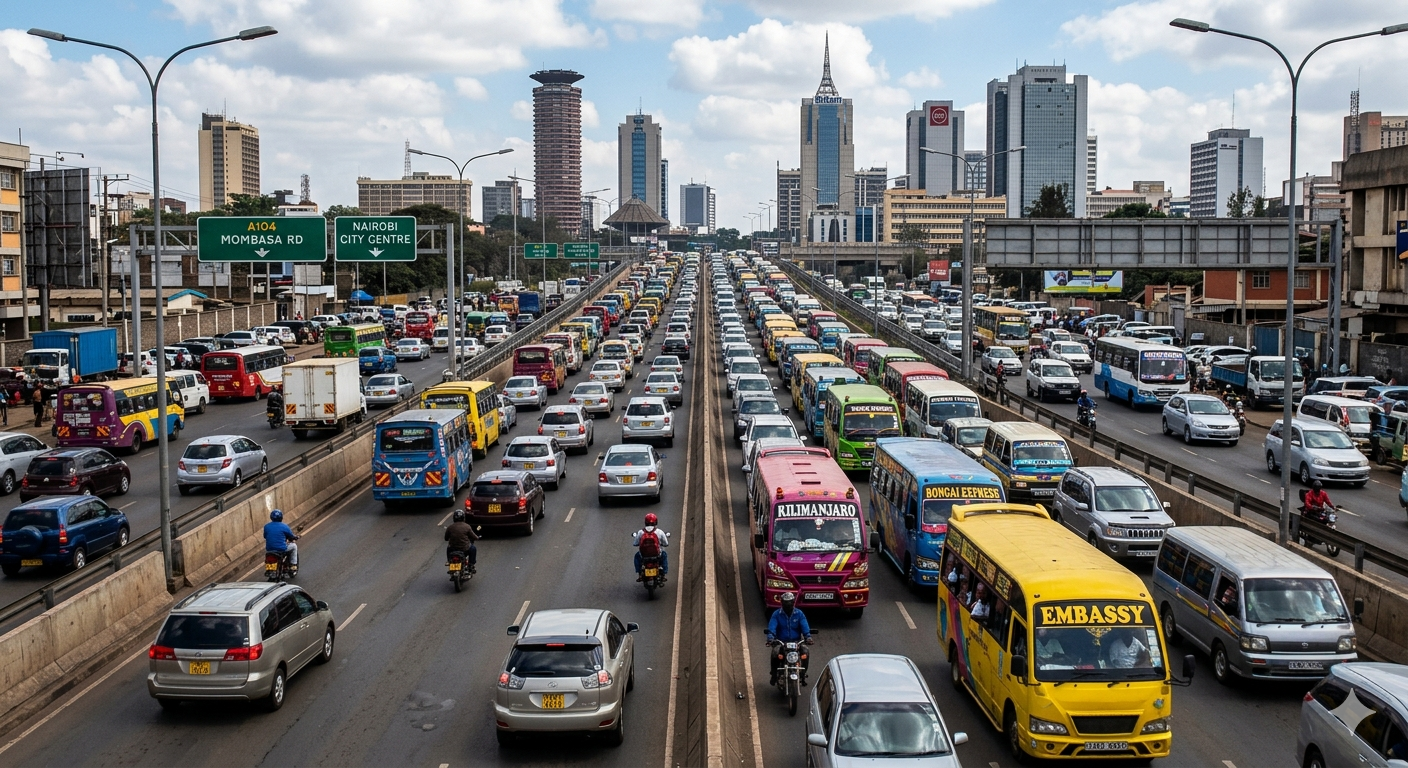
For many Nairobi residents, the day begins long before they reach the office. It starts in traffic. From packed matatus and endless hooting to slow-moving highways and unexpected delays, commuting in the city can leave people mentally drained before work even begins.
According to the Kenya Urban Roads Authority (KURA), Nairobi continues to experience heavy congestion due to the growing number of vehicles on city roads, especially during morning and evening rush hours.
What makes it exhausting
What makes Nairobi traffic exhausting is not just the delay itself, but the pressure that comes with it. The fear of arriving late, dealing with crowded public transport, or spending hours behind the wheel often affects mood, concentration, and energy levels. By the time many workers clock in, they already feel like they have completed half a day’s work.
Still, surviving Nairobi traffic without arriving at work exhausted is possible with a few practical habits.
How to survive
One of the simplest ways is adjusting morning routines. Many people wake up already rushing against time, which adds stress before even stepping outside. Preparing clothes, meals, or work items the night before can reduce morning panic and make commuting feel less overwhelming.
Leaving home slightly earlier also helps. While traffic remains unpredictable, commuters who leave before peak hours often experience less frustration compared to those caught in rush hour. Even a 20-minute difference can change the pace of the journey.
Another important factor is how commuters spend their time on the road. Instead of focusing on the noise and delays, many Nairobi workers are turning commuting hours into personal time. Some listen to podcasts, gospel music, audiobooks, or calming playlists. Others use the time to catch up on news or plan their day mentally. This shift in mindset can make long rides feel less stressful.
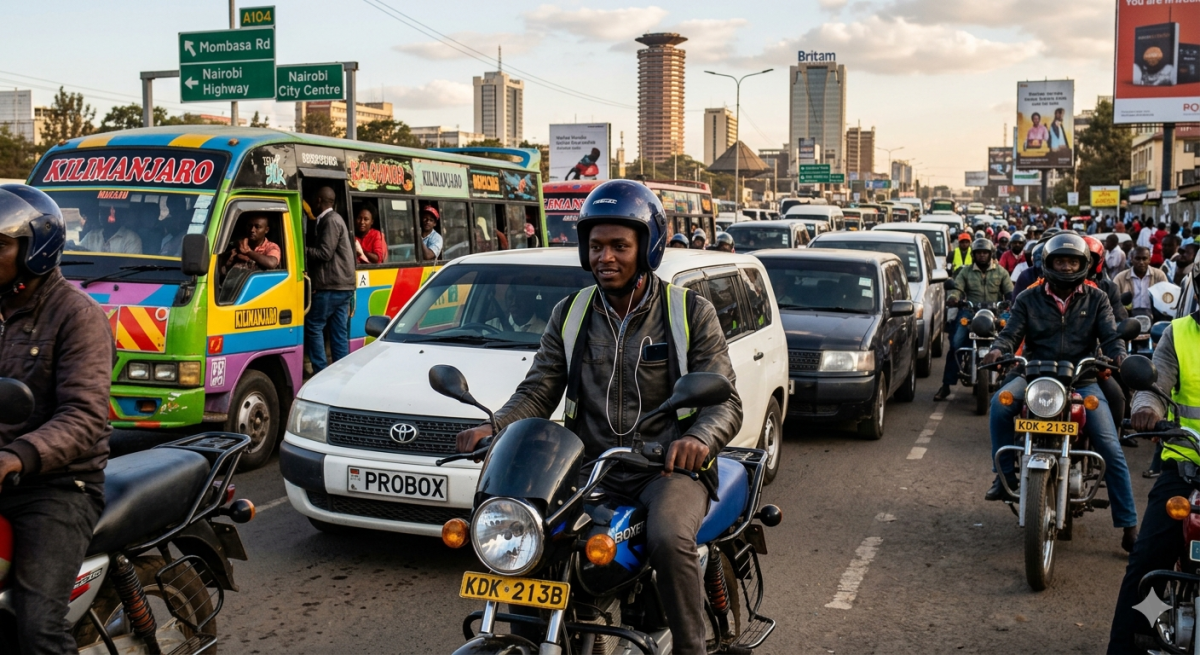
The World Health Organization (WHO)noted that stress caused by daily routines and environmental pressure can affect both mental and physical well-being if not managed properly.
Hydration and eating properly before leaving home also make a difference. Skipping breakfast may save time, but it often leads to fatigue and irritability while stuck in traffic. A light meal and enough water can help commuters remain alert and patient during long rides.
For drivers, mental breaks are important. Constant exposure to traffic pressure can increase stress levels, especially on roads known for heavy congestion. Transport experts from the National Transport and Safety Authority (NTSA) had previously encouraged motorists to avoid aggressive driving habits, unnecessary hooting, and reckless lane switching, which often increase tension on the road.
Remote and flexible work arrangements are also slowly changing how some Nairobi residents experience commuting. Employees who work from home a few days a week or report to work outside peak hours often experience less burnout than those who commute daily during rush hour.
Public transport users are also learning to plan smarter. Mobile navigation apps that provide live traffic updates, such as Google Maps, are helping commuters identify less-congested routes and estimate travel times more accurately. Some prefer using commuter trains in areas where rail transport is available, helping them avoid major road congestion.
Most importantly, Nairobi workers are learning to accept that traffic is part of city life. While frustration is understandable, carrying that stress into the workplace affects productivity, mood, and even relationships with colleagues.
In a busy city, surviving traffic is no longer just about reaching the office. It is about protecting mental energy before the workday begins. Small changes in routine, mindset, and preparation can help commuters arrive calmer, focused, and ready for the day ahead instead of already exhausted.