How to support a grieving friend without saying the wrong thing
By Dan Kauna, April 30, 2026Grief is one of the heaviest things a human being carries. When someone you love loses a parent, a sibling, a child, or a close friend, your instinct is to help.
But too often, the fear of saying the wrong thing stops people from showing up at all.
In Kenya, death is rarely a private affair. Funerals draw entire communities together, and the period of mourning, marked by vigils, harambees (fundraising gatherings), and burial ceremonies, can stretch over days or even weeks. Knowing how to show up well matters more here than almost anywhere.
Here is how to be the kind of friend someone in grief actually needs.
Say something, even if it feels small
Silence feels safe, but to a grieving person, it can feel like abandonment. You do not need the perfect words. A simple “I am so sorry. I am here for you” is enough. What people in grief need more than eloquence is presence.
Avoid phrases like ‘They are in a better place,’ ‘At least they lived a long life,’ or ‘God has a plan’. These are well-meaning, but they can feel dismissive of real, raw pain.
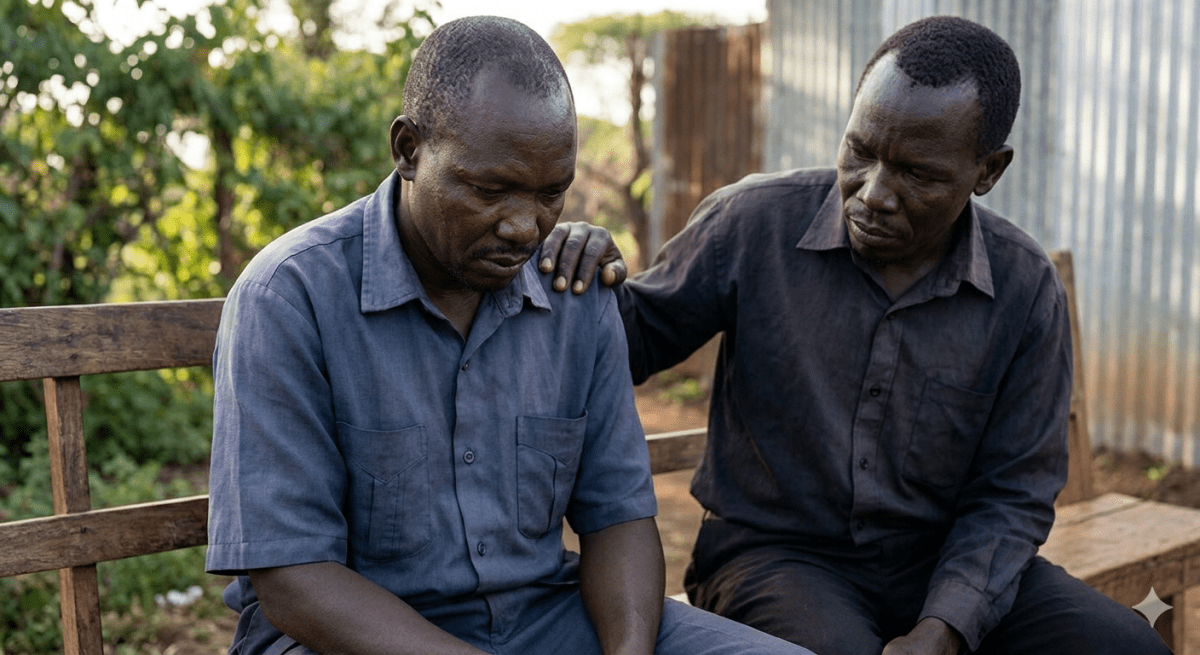
Instead, say: “I can only imagine how hard this is. I am not going anywhere.”
In many Kenyan communities, it is also completely acceptable to simply sit with someone in silence. Being physically present, especially during the days before and after the burial, carries enormous weight.
You do not have to speak. Just be there.
Show up with actions, not just condolences
Grief is exhausting. The bereaved are often surrounded by visitors, making funeral arrangements, and managing family expectations, all while barely sleeping or eating. This is where practical help becomes a love language.
Bring food. Offer to help coordinate logistics, collect contributions, or pick up relatives from the bus station. If the family has young children, offer to take them for the afternoon so the parents can catch their breath.

Ask specific questions like ‘Can I bring lunch on Thursday?’ rather than the open-ended ‘Let me know if you need anything,’ which, though kind, puts the burden back on the grieving person.
In the weeks after the funeral, when most visitors have gone home and the silence sets in, check in again. A phone call, a text, or a visit on what would have been the deceased’s birthday can mean more than you know. Grief does not end at the graveside.
What to keep in mind in the long run
Grief is not linear. Your friend may seem fine one week and completely fall apart the next. Do not take it personally if they cancel plans, go quiet, or seem distant. Keep reaching out, gently and consistently, without pressure.
If you notice your friend struggling significantly, withdrawing completely, or showing signs that the grief is becoming overwhelming, gently encourage them to speak to a mental health professional.
The most important thing you can do for a grieving friend is not to have all the answers. It is simply to stay.