Advertisement
How to spot a good landlord before you sign the lease
05th May, 2026 03:05 PM

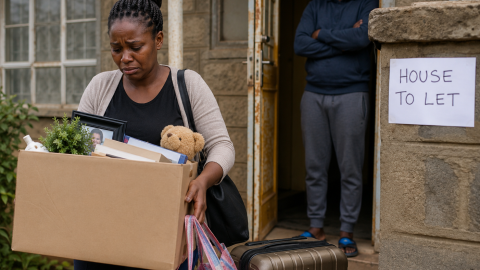
Moving into a new place should feel like a fresh start, a new neighbourhood, a space that finally feels yours.
But in Nairobi’s rental market, where good units move fast and landlords vary enormously, signing the wrong lease can turn that excitement into months of headache.
The good news is that you can read the situation before you commit.
The relationship you have with your landlord will shape your experience in that house more than the size of the kitchen or the colour of the walls.
A 2023 study published in the International Journal of Housing Policy found that tenants whose landlords were “flexible, open, and responsive reported more positive experiences overall.”
It sounds obvious, but it is easy to forget when you are standing in a sunny sitting room, thinking this might be the one.
Here is what to look for, and what to run from.
The green flags
They respond promptly. Before you even view the house, clock how fast the landlord or caretaker replies to your inquiry. Do they pick up? Do they give you a clear time to come? Responsiveness before signing is usually a preview of responsiveness after.
The lease is written and readable. A good landlord will hand you a tenancy agreement and give you time to read it before any money changes hands. It should spell out the monthly rent, deposit amount, notice period, and who handles what when something breaks. If they push a one-page scribble across the table and ask you to sign on the spot, that is your answer.

They are straight about the utilities. Ask directly: is the water piped water, borehole, or delivered by tank? Is electricity prepaid or shared billing? A landlord who answers these questions without hesitation is someone you can work with.
The building feels looked after. Working locks on the main gate, lit stairwells, a security guard who knows the residents; these are signs someone is paying attention. Walk the compound before you make up your mind.
The red flags
Pressure to pay before you think. “Three other people are coming to see this today” is sometimes true. It is also a classic pressure tactic. A landlord worth having will not mind giving you 24 hours after a viewing.
Vague answers about maintenance. Ask what happens when something breaks – a pipe, a door hinge, a water pump. If the answer is evasive or “you sort it yourself,” factor that in. How a landlord handles the question tells you exactly how they will handle the problem.

No receipt for the deposit. Non-negotiable. Whatever you pay upfront (deposit, advance rent), get a written receipt with the landlord’s name, amount, date, and what it covers. No receipt, no deal.
The previous tenant left quickly. If you can, have a casual conversation with a neighbour or the outgoing tenant. You do not need to interrogate anyone; a few minutes at the gate often tells you everything. If people seem reluctant to talk, that is information too.
Finding a good rental in Nairobi is absolutely possible, but it takes a little detective work before the ink dries.
Go in with your eyes open, ask the awkward questions early, and remember: a landlord who is difficult before you move in will not suddenly become easy once you do.