Advertisement
How to choose the best earphones and earbuds
11th March, 2026 04:55 PM
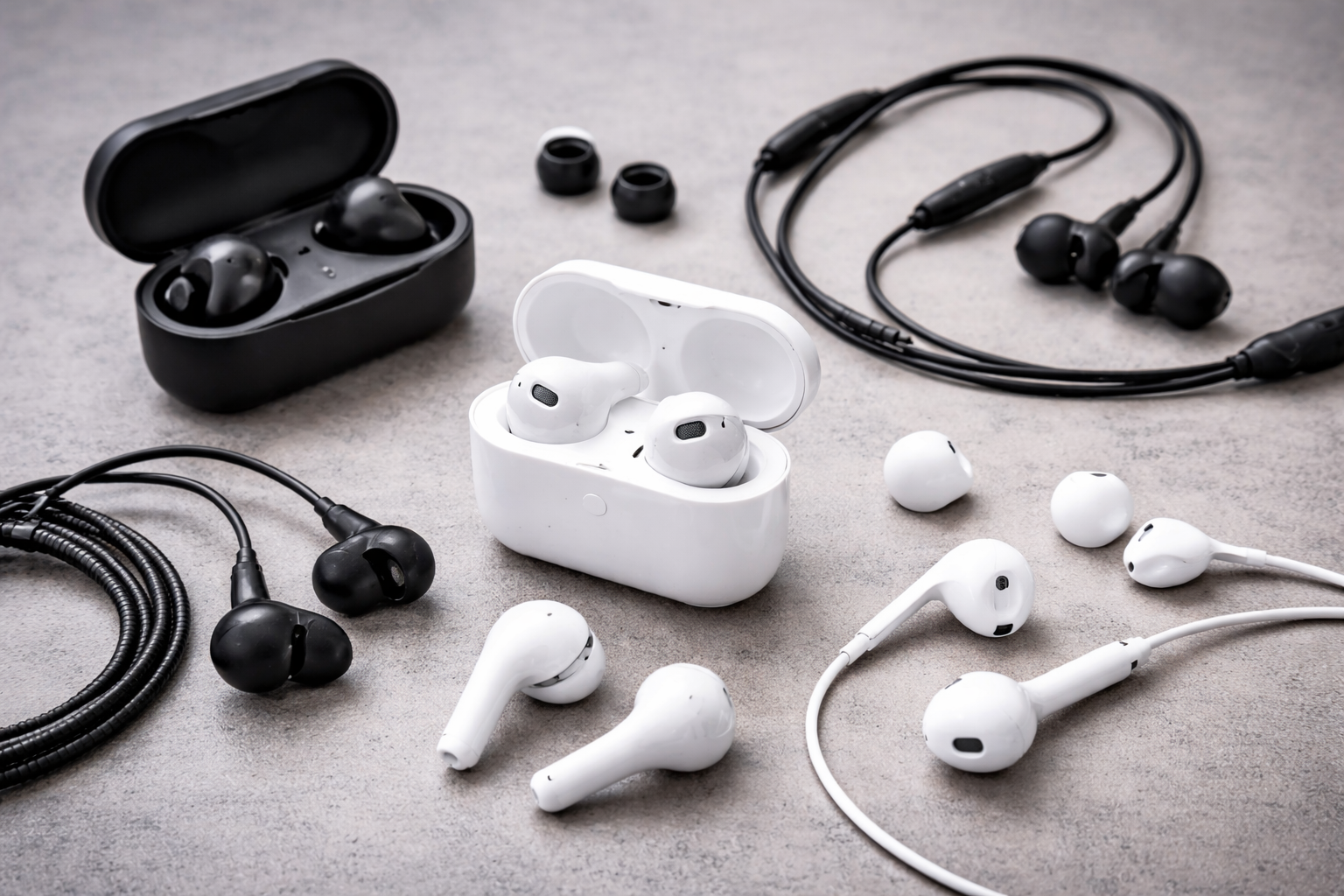
Earphones and wireless earbuds have become common accessories for listening to music, making calls, and attending online meetings. However, choosing the right pair involves more than just design or price.
Audio experts and hearing health professionals often emphasise that sound quality, comfort, and safe listening features should all be considered before buying earphones.
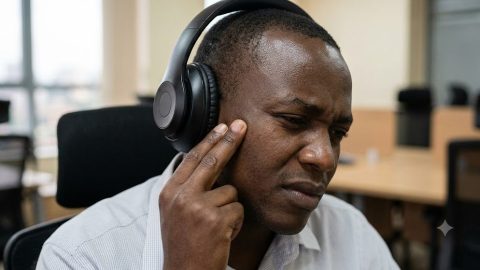
Poorly designed earphones or prolonged exposure to loud audio can affect hearing over time. According to hearing specialists, listening to sounds above safe levels for long periods may increase the risk of hearing damage.
Because of this, selecting earphones that balance audio performance and safe listening features is important.
Here is a practical guide on how to choose the best earphones or earbuds.
Step 1: Check sound quality specifications
Sound quality is one of the most important factors when choosing earphones. Manufacturers usually provide specifications such as frequency response, driver size, and audio codec support.
Frequency response refers to the range of sound the earphones can reproduce, usually measured in Hertz (Hz).
Human hearing typically ranges from about 20 Hz to 20,000 Hz. Earphones that support this range can reproduce both deep bass and clear high frequencies.
Driver size also affects sound performance. Drivers are the small components that convert electrical signals into sound. Larger drivers often produce stronger bass and fuller sound, though good tuning is equally important.
Step 2: Choose the right fit and comfort
Comfort is critical because earphones are worn directly inside or around the ears. Poorly fitting earphones may cause discomfort, ear fatigue, or even fall out during movement.
In-ear earbuds usually come with silicone or foam tips in different sizes. These tips help create a secure seal in the ear canal, which improves both comfort and sound quality.
Over-ear or hook-style earphones may be more suitable for activities such as running or gym workouts because they remain stable during movement.
Choosing earphones that fit properly also reduces the need to increase volume levels, which helps protect hearing.
Step 3: Consider noise isolation or noise cancellation
Noise control features can improve listening experiences, especially in noisy environments such as public transport or busy streets.
Passive noise isolation occurs when ear tips physically block outside noise. This is common in in-ear earphones that seal the ear canal.
Active noise cancellation uses built-in microphones and electronic processing to reduce background noise.
This technology is particularly useful when travelling or working in noisy environments.
By reducing background noise, users can listen at lower volume levels, which is safer for hearing health.
Step 4: Check battery life for wireless earbuds
Wireless earbuds rely on rechargeable batteries, so battery life is an important consideration.
Most modern wireless earbuds provide several hours of listening time on a single charge. Charging cases can extend usage by recharging the earbuds multiple times.
For people who use earphones frequently for work or entertainment, longer battery life can improve convenience and reduce interruptions.
Battery specifications are usually measured in hours of playback and total hours, including the charging case.
Step 5: Evaluate the microphone and call quality
Many people use earphones for phone calls or online meetings. Because of this, microphone performance should also be considered.
Earbuds with multiple microphones often provide clearer voice transmission because they can reduce background noise during calls.
Some models include environmental noise reduction technology that filters surrounding sounds so that the user’s voice remains clear.
Step 6: Look for safe listening features
Hearing health experts recommend maintaining moderate listening volumes. Some earphones include features that help users manage safe listening levels.
These may include volume-limiting technology or smartphone apps that monitor listening duration and sound levels.
Listening at moderate volume and taking breaks between long sessions can reduce the risk of hearing fatigue or long-term hearing damage.
Step 7: Check durability and water resistance
Durability is another important factor, especially for people who use earphones during exercise or outdoor activities.
Many earphones include water resistance ratings that indicate their ability to handle sweat or light rain. These ratings are usually described using IP codes.
For example, sweat-resistant earphones can be useful for workouts, while higher water resistance ratings provide better protection in demanding environments.