Advertisement
How social media validation is affecting real-life love
02nd May, 2026 10:00 AM

Social media has become deeply embedded in modern relationships, influencing not only how people communicate but also how they define love, attention, and emotional connection.
In today’s digital culture, likes, comments, shares, and views have become subtle indicators of approval. While these metrics were originally designed to measure engagement, they are increasingly shaping how people perceive their relationships in real life.
For many couples, public interaction on social platforms has become part of relationship validation. A post without engagement may feel like a lack of support, while high visibility can be interpreted as stronger affection.
This shift has created a situation where online attention is sometimes treated as emotional currency, something that confirms the strength or value of a relationship.
According to relationship therapist Aoife Drury, there is a growing trend of “performative relationships,” where couples feel pressure to display their love publicly.
“Influencer relationships are essentially performances, but our nervous systems don’t differentiate that well. When people feel they need to hide or edit their partner to make them ‘fit’ the internet and how they are viewed, it can disconnect them from authenticity and create unnecessary shame around ordinary human relationships,” she states.
She notes that many people now treat their relationships as performances, editing or highlighting certain aspects for online appeal while hiding ordinary struggles, which often leads to disconnection and shame in real life.
Comparison and emotional pressure
Social media also introduces constant comparison. Users are exposed to curated versions of other people’s relationships, often highlighting celebrations, gifts, vacations, and ideal moments.
This can lead to unrealistic expectations, where real relationships, complete with challenges and private struggles, feel less satisfying in comparison.
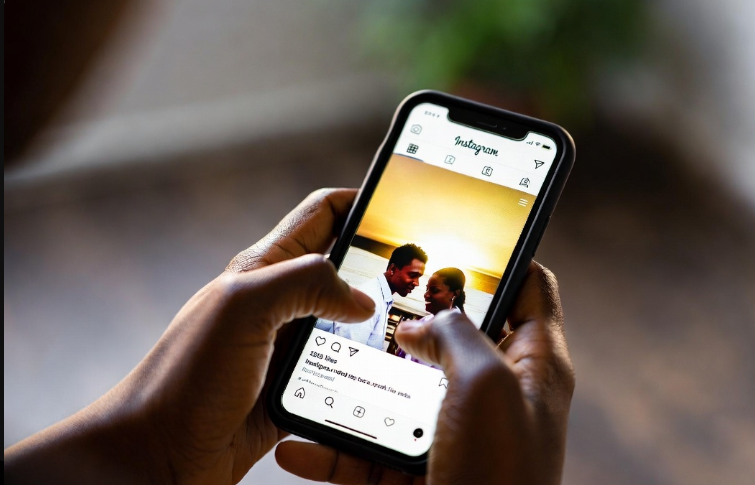
The influence of digital validation can also affect trust. Some individuals may question their partner’s feelings based on online behaviour, such as liking patterns, post frequency, or lack of public interaction.
This creates new forms of misunderstanding that did not exist in traditional relationships, where interaction was mostly private and direct.
Emotional distance in a connected world
Ironically, while social media connects people more than ever, it can also create emotional distance. Attention may shift from personal connection to public perception, where being seen matters as much as being understood.
Over time, this can affect communication, emotional security, and relationship satisfaction.
Social media is not inherently harmful to relationships, but it has changed the environment in which love exists. It has introduced visibility, comparison, and validation into once private spaces.
Author
William Muthama
William Muthama is a digital journalist with a focus on entertainment, human interest, and current affairs. Share stories: [email protected]/ [email protected]
View all posts by William Muthama