How Kenyans can prepare for El Niño rains before October
By Trizer Lijondo, August 20, 2026Kenya is expected to experience wetter-than-normal conditions from October as El Niño develops, with the Kenya Meteorological Department warning that enhanced rainfall could continue into early 2027.
The forecast has increased concerns over flooding, landslides, transport disruptions and damage to homes and infrastructure. While the rains are still weeks away, households can use the remaining time to prepare and reduce the risks associated with heavy rainfall.
Clear drainage and secure homes
One of the simplest preparations is ensuring water has a clear path away from homes. Residents should clean gutters, unblock drainage channels and remove rubbish that could prevent rainwater from flowing freely.
Homeowners should also inspect roofs for loose or damaged sections and repair leaking areas before the rains intensify. Windows and doors should be checked for possible water entry, while important documents can be stored in waterproof bags or containers.
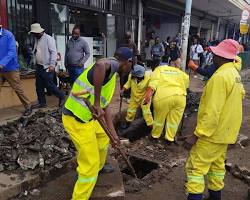
People living near rivers, steep slopes or known flood-prone areas should pay particular attention to weather warnings and consider identifying safer places to move to if conditions deteriorate. Kenya Met has previously advised residents to remain vigilant for flash floods and landslides and to avoid flood-prone and low-lying areas.
Prepare an emergency kit and family plan
Families can also prepare an emergency kit containing drinking water, basic food supplies, medicines, a first-aid kit, torches, extra batteries, power banks and essential personal documents.
Households should discuss what to do if roads become impassable or homes have to be evacuated. Parents can ensure children know emergency contacts and where to go if they become separated from the family.
It is also useful to keep phones charged whenever severe-weather warnings are issued and to follow official updates rather than relying on unverified information circulating on social media.
Protect food, property and livelihoods
Farmers should monitor weather advisories before planting or making other major agricultural decisions. Where possible, valuable equipment, livestock and farm inputs should be moved away from areas vulnerable to flooding.
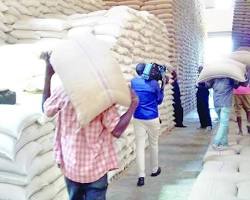
Households can also raise electrical appliances and other valuable possessions from the floor in flood-prone homes. Drivers should avoid attempting to cross flooded roads or moving water, as floodwater can be deeper and stronger than it appears.
With Kenya already developing anticipatory action measures aimed at responding to climate hazards before disasters occur, individual preparedness can complement wider government efforts.
The key is to prepare before the first major downpour rather than waiting until flooding begins.